
Inspired by Bishop Rob Wright’s weekly practice of writing a 150-word reflection on the upcoming Sunday’s lectionary readings, I’m going to try to write a reflection on the readings each week in 250 words or less…
The House of God and the Heap of Ruins
Pentecost 2 – Year A – Proper 5 (Track 1) – June 7, 2026
Genesis 12:1-9
Psalm 33:1-12
Romans 4:13-25
Matthew 9:9-13, 18-26
After responding faithfully to God’s call and receiving the promise that he and his offspring will inherit the land of the Canaanites, Abram builds an altar to YHWH in the hill country between Bethel (Hebrew for “House of God”) and Ai (“Heap of Ruins”). The altar represents hope for the children of Abram who will make this land their home, but for the Canaanites it represents grief and destruction, standing as a sign of the invaders who come to bring ruin.
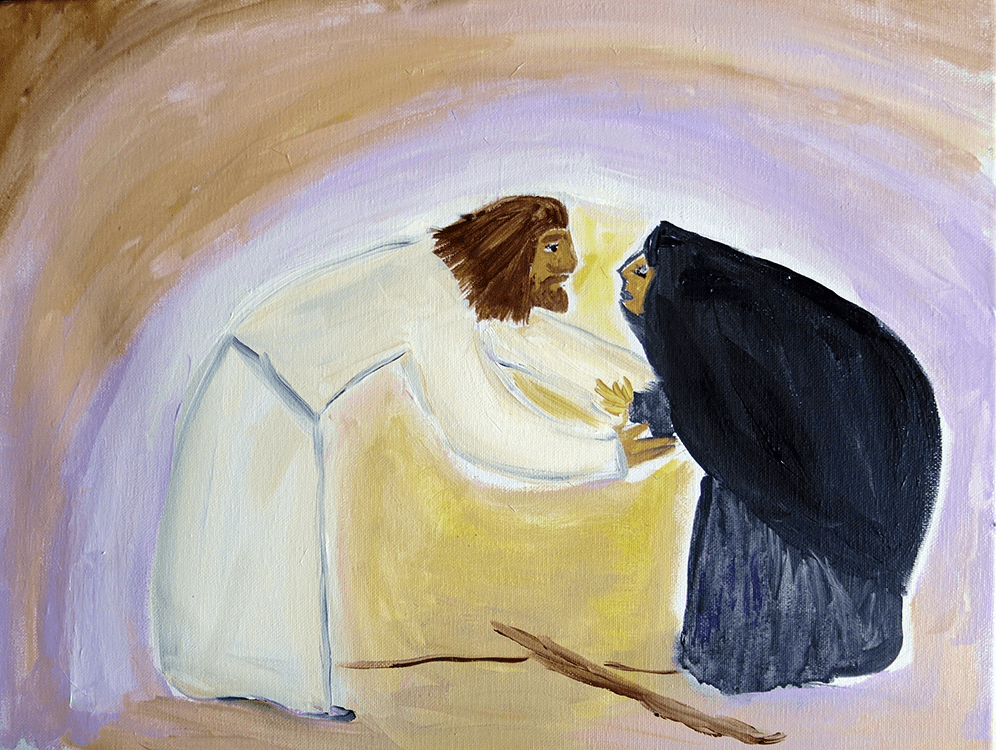
Biblical passages like this have been used to justify violent forms of Zionism (especially Christian Zionism) as well as other forms of Manifest Destiny which have displaced and destroyed indigenous cultures in the name of God. However, anyone who claims to be Christian ought to read these passages in light of the Gospels, especially this Sunday’s Gospel (Matthew 9:9-13,18-26), in which Christ calls Matthew the tax collector out of his collusion with colonial imperialism and then proceeds to dine with outcasts, heal a woman who has been hemorrhaging, and raise a young girl from the dead.
Instead of using theology to make a heap of ruins, Christ calls us out of systems of colonial oppression to follow the God who brings new life to those who have been brought to ruin, revealing that the true House of God is not built upon someone else’s wreckage, but is rather a House of healing, hope, reconciliation, and resurrection for all, especially those whose lives and cultures are most vulnerable to destruction.
And here’s a Sam Cooke song inspired by the Gospel…


