Readings for the Feast of the Holy Trinity
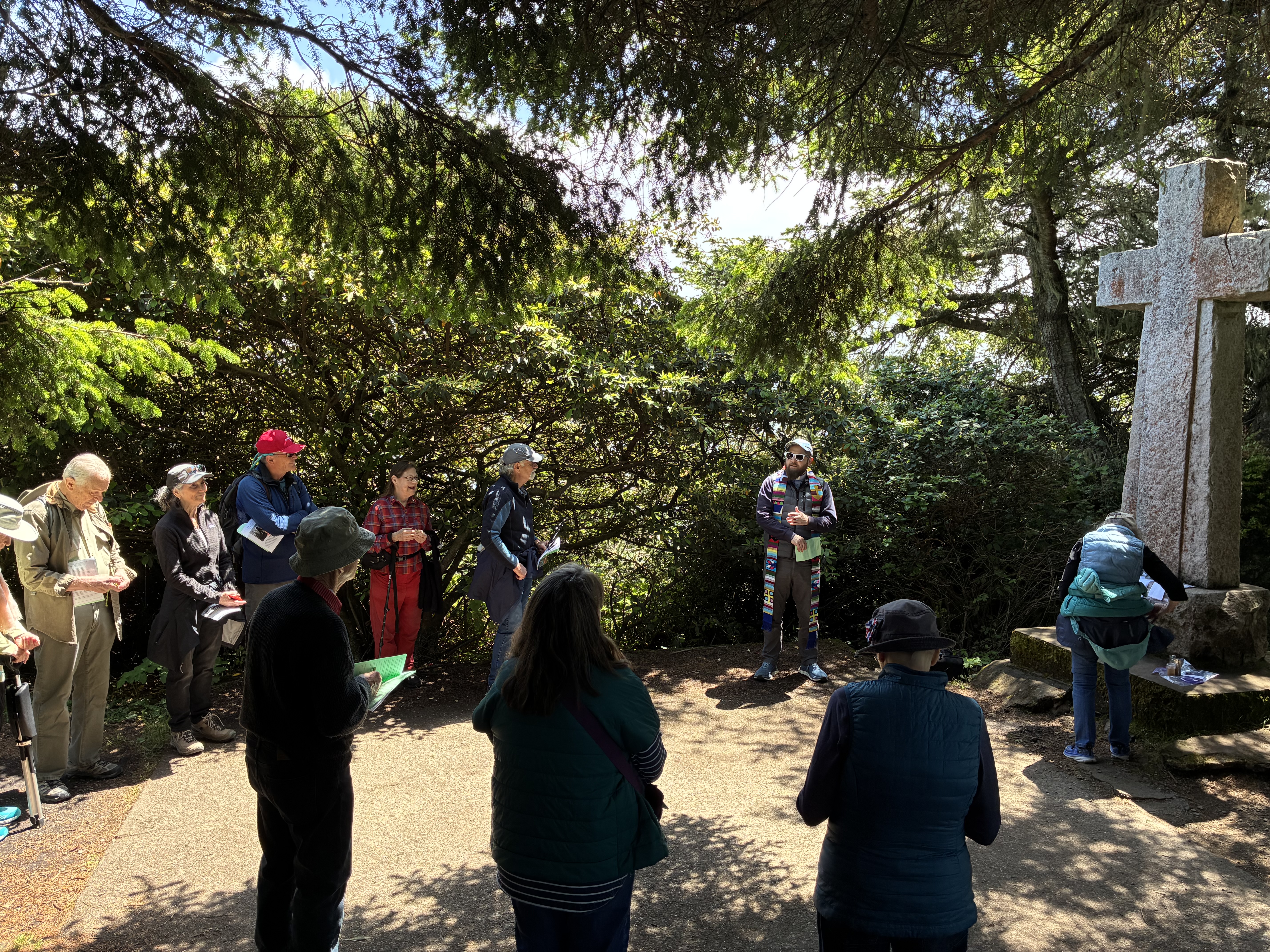
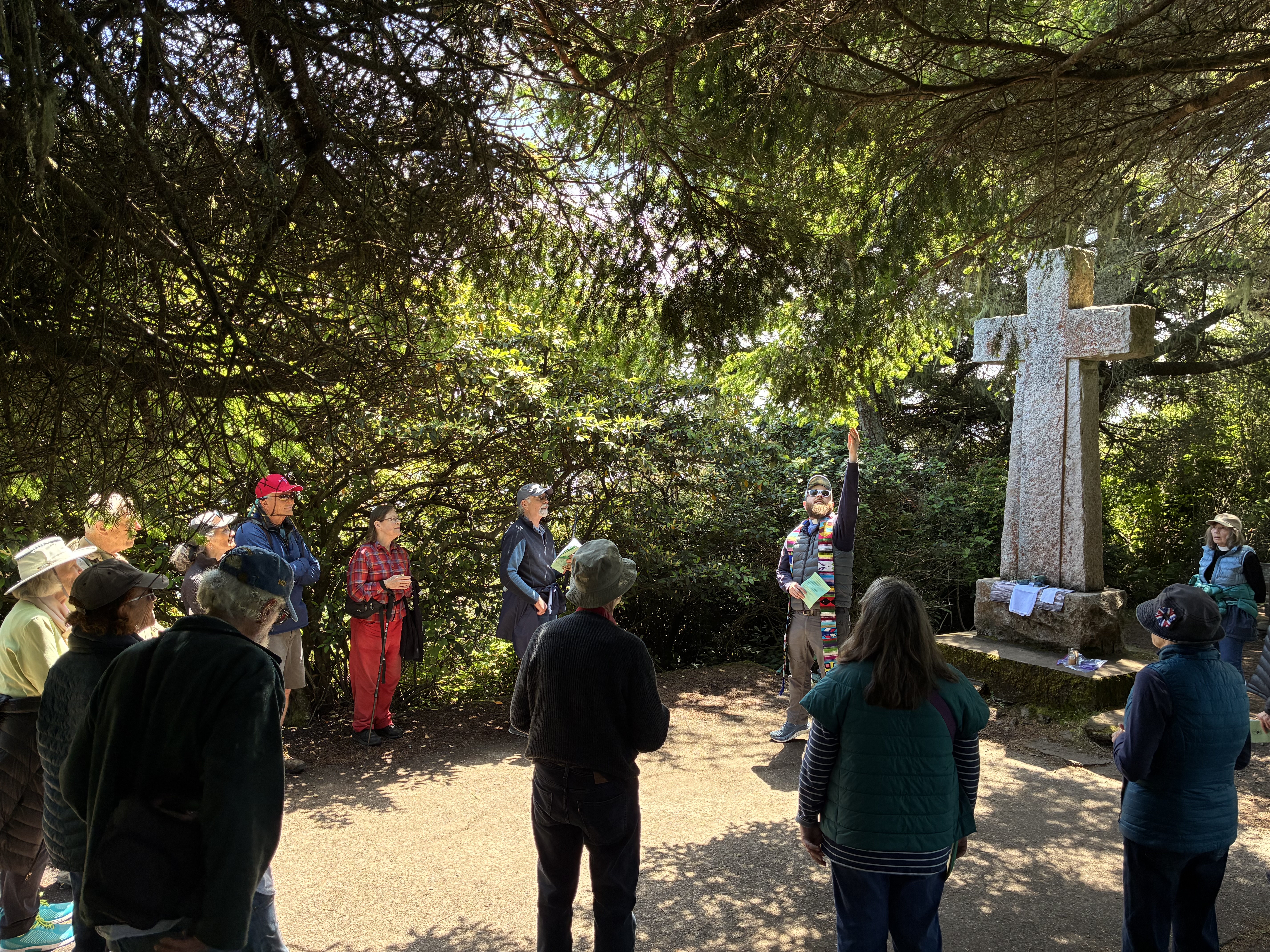
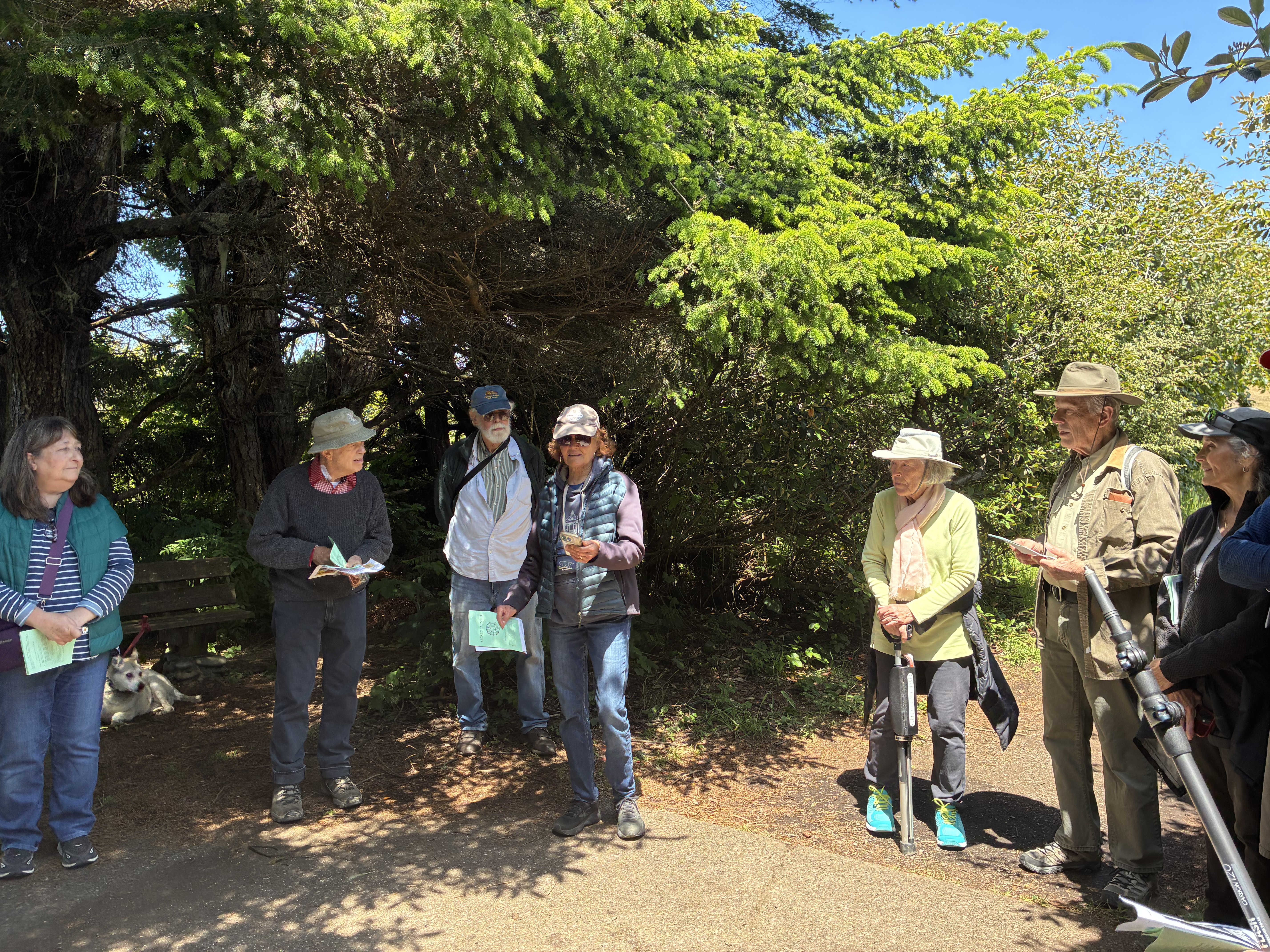
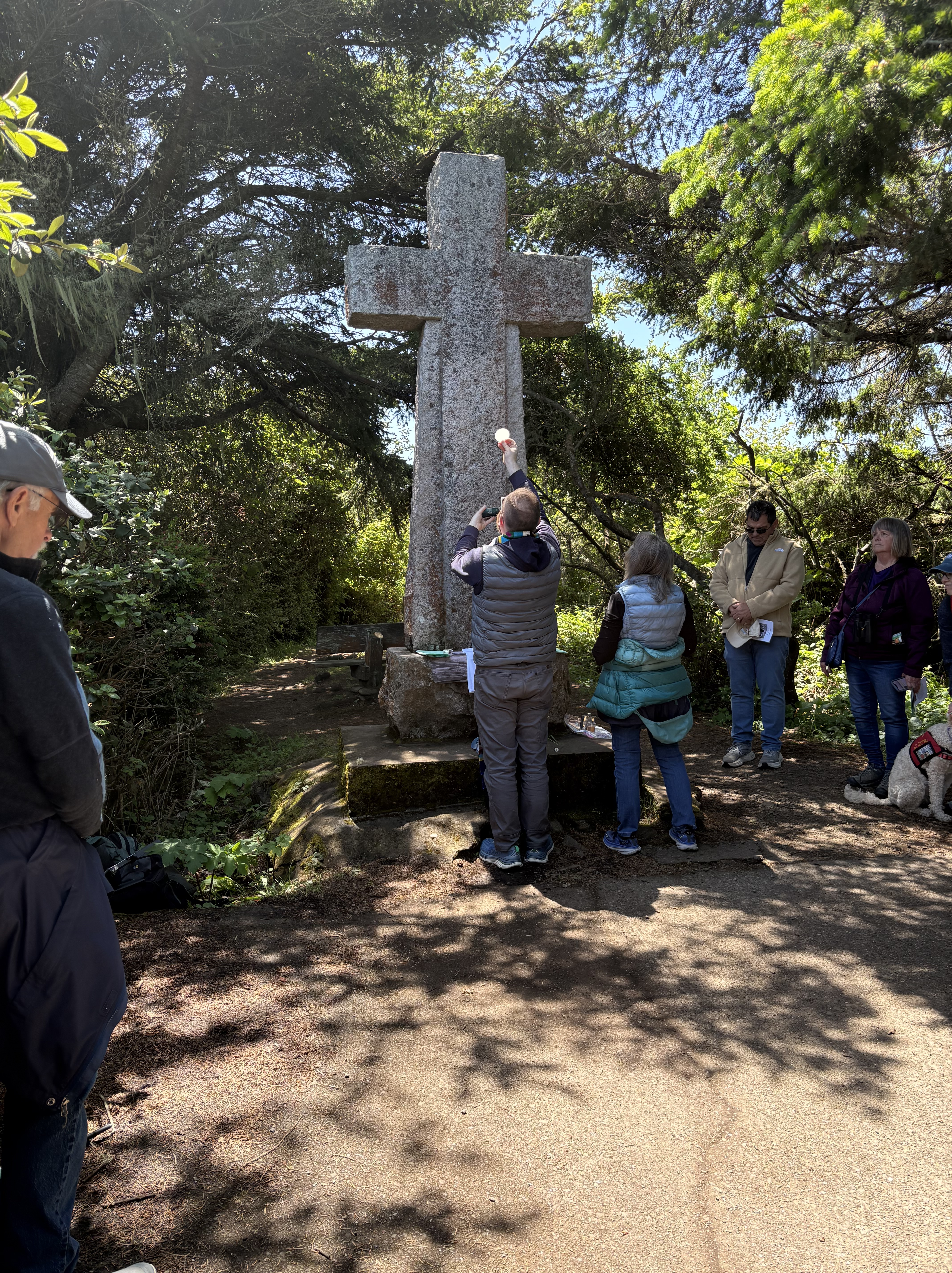
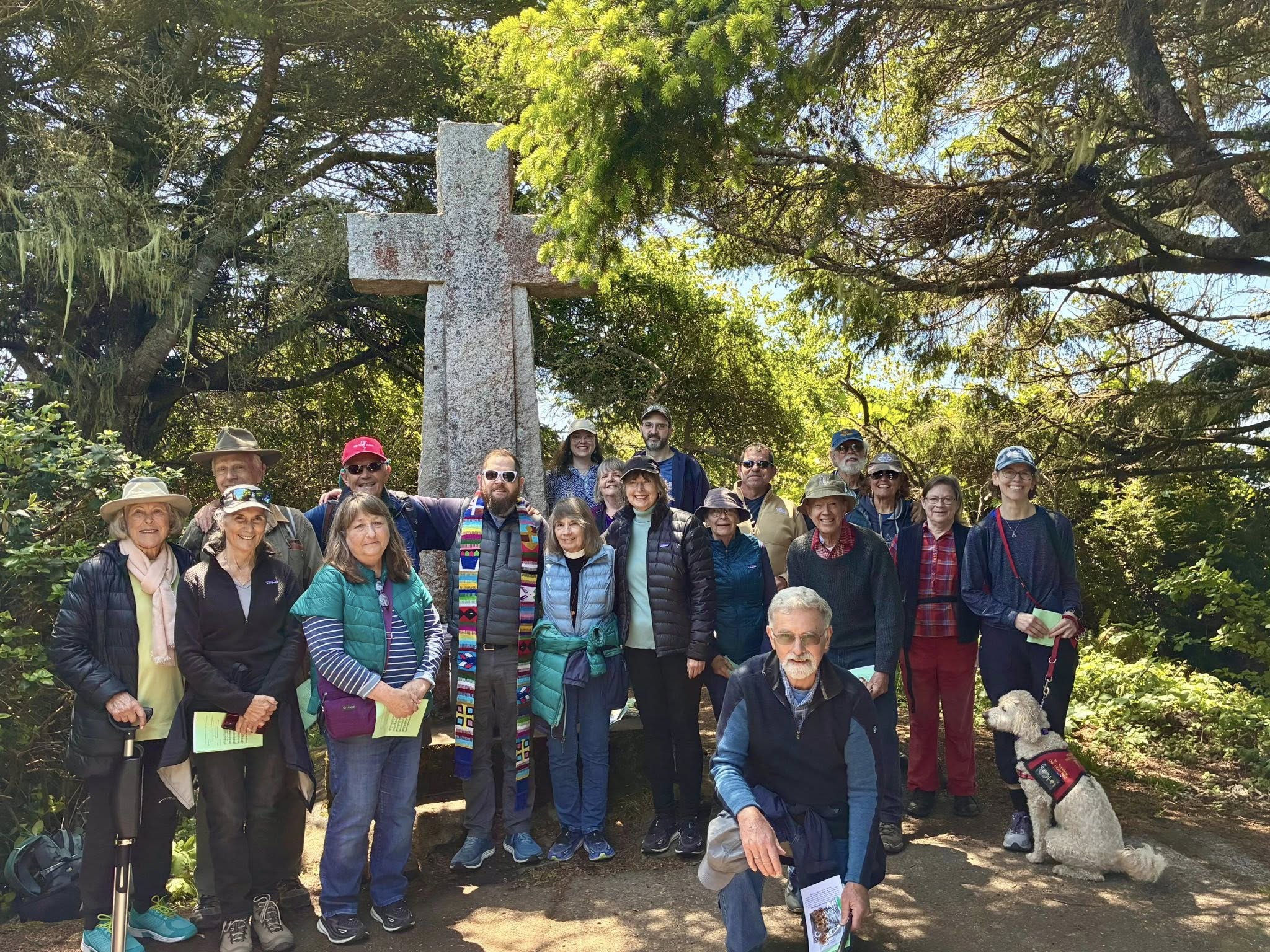
This reflection was shared at the annual Trinity Sacred Saunter Outdoor Eucharist on Saturday May 30, 2026 at Trinidad Head in Trinidad CA
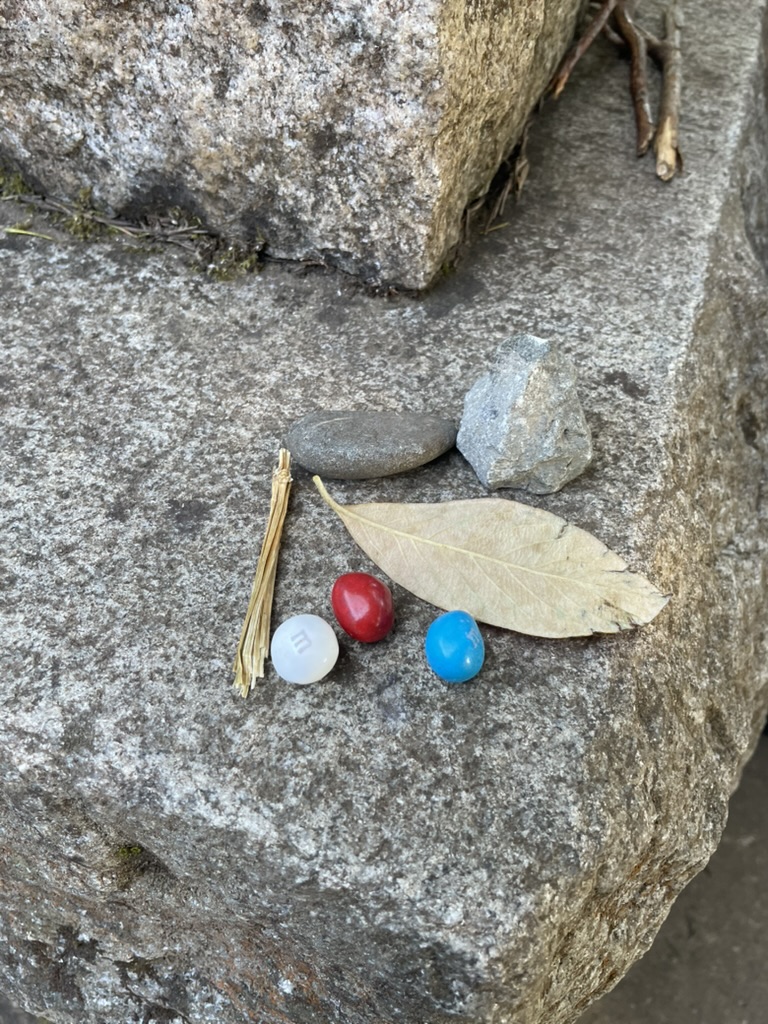
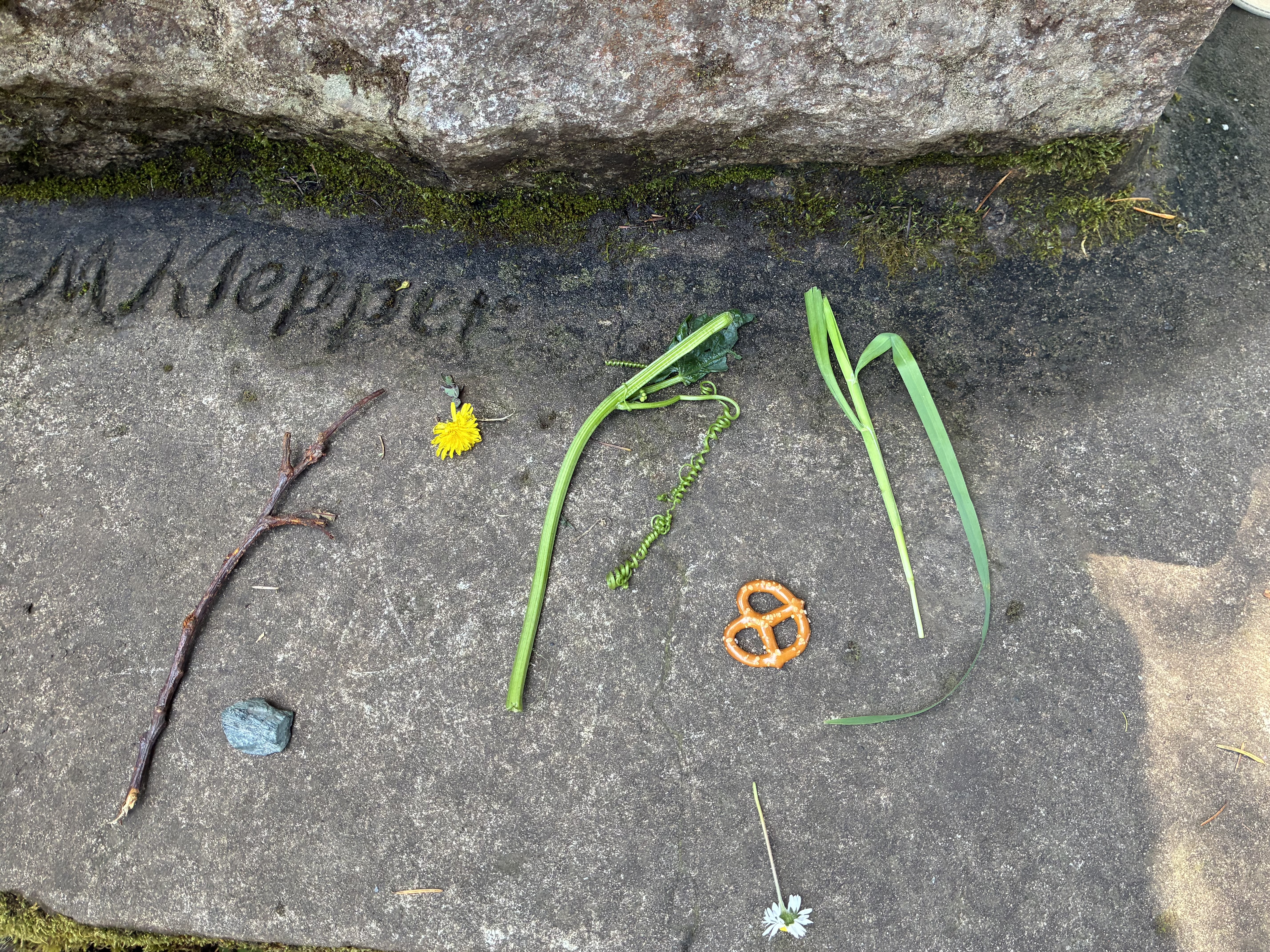
Last year on this feast day, I was trying to think of a Sacred Saunter snack that would remind us of the Holy Trinity. So, I brought tricolored M&Ms as well as some Trident gum. While traveling to Assisi via Munich Germany earlier this year, I indulged in some Bavarian Pretzels (Brezels) and remembered the medieval origins of this tasty snack…
“Out of the mouths of infants and children your majesty is praised above the heavens” (Psalm 8:2).
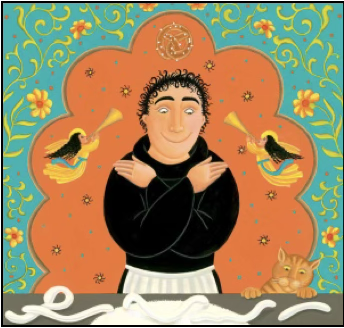
Back in 610 CE, in the region that is now Northern Italy and Southern France, a monk rewarded children for learning their prayers by giving them little twisted pieces of leftover dough.
These pretiola (Latin for “little rewards”) resembled arms folded over the chest in prayer, which was a common prayer posture in the Middle Ages. The word “pretzel” comes from the Old German brezitella, derived from the Latin bracchiatus, which means “little arms,” in reference to the shape.
Pretzels were also an ideal snack during Lent because they were free of both eggs and dairy, foods from which the people would abstain throughout the Lenten season.
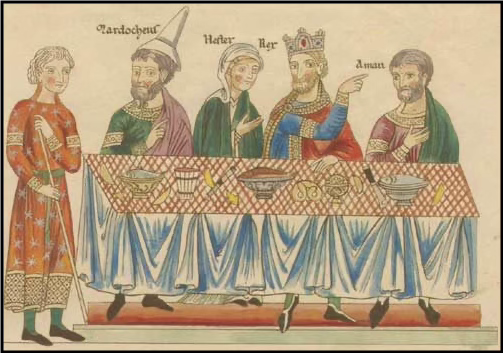
There is a 12th century encyclopedia called Hortus Deliciarum (“Garden of Delights”) created by an abbess Herrad of Landsberg. In this first known encyclopedia compiled by a woman, there is an image of a scene from the Book of Esther in which Queen Esther and King Ahasuerus are enjoying a banquet. If you look closely, you can see a pretzel sitting on the banqueting table.
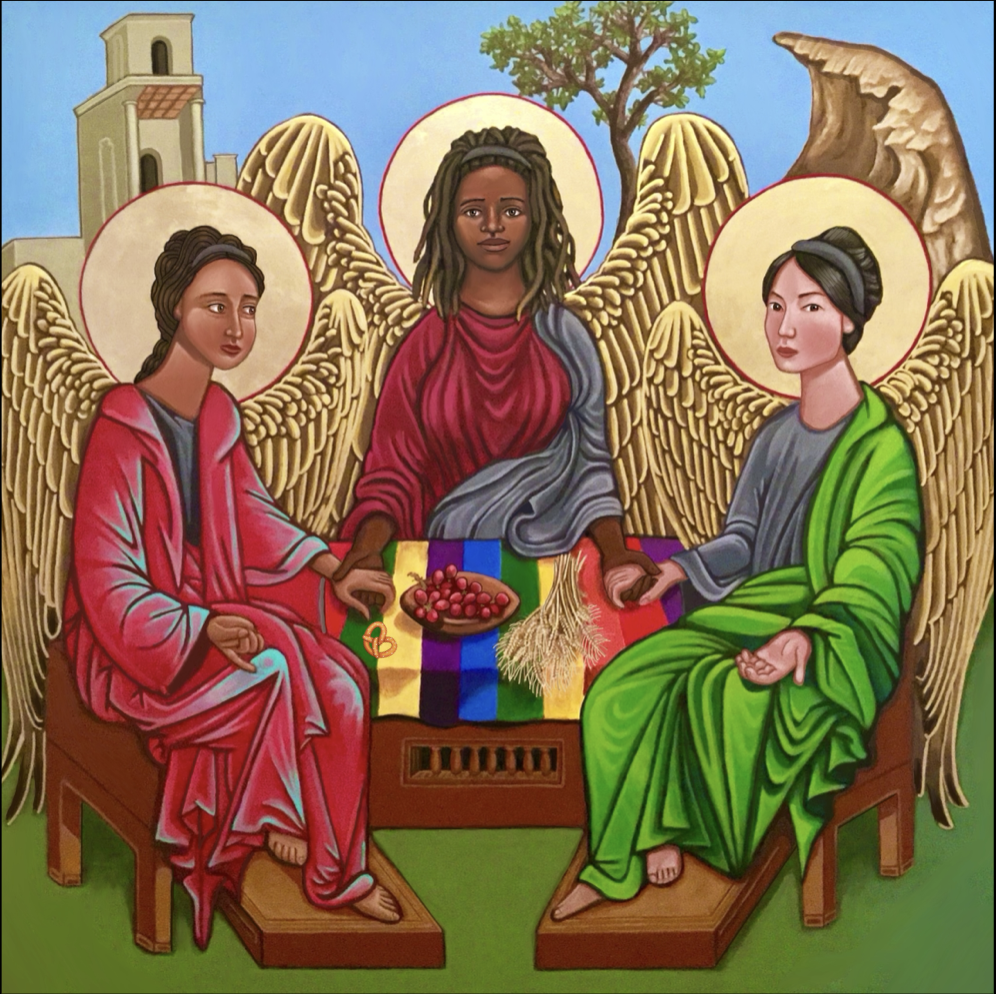
The intertwined, looped knot of this medieval mini-meal creates three distinct holes in the dough and these threes holes came to be understood by the medieval monks as symbolic of the three persons of the Holy Trinity: the Father, the Son, and the Holy Spirit. Some also say that the knotted pretzel represents the shape into which the human brain twists itself whenever it tries to make sense of the three-personed God: it wraps itself in knots! It’s helpful to remember that the Holy Trinity is more of an experience in which we are invited to participate than a concept we are expected to explain. And the most effective way to experience the Holy Trinity, the best way to enter into the perichoretic Circle Dance of the Lover, the Beloved, and the Love Overflowing is to do the very thing that the original pretzels were urging people to do in the first place. Those first pretzels, made back in the seventh century, were created as motivation and reward for prayer! So, on this Holy Trinity weekend, let’s enjoy some pretzels and participate together in the Holy Trinity by praying with our bodies—maybe try crossing your arms over your chest—and by praying as one body, as a community whose diversity-in-unity reflects the diversity and unity of the Holy and Undivided Trinity.