Readings for the Feast of St. Augustine of Canterbury
This reflection was shared at the monthly vestry meeting and Wednesday Morning Eucharist on May 26 (The Feast of St. Augustine of Canterbury) and May 27 (The Feast of King Æthelbert and Bertha)
Collect for the Feast of St. Augustine of Canterbury
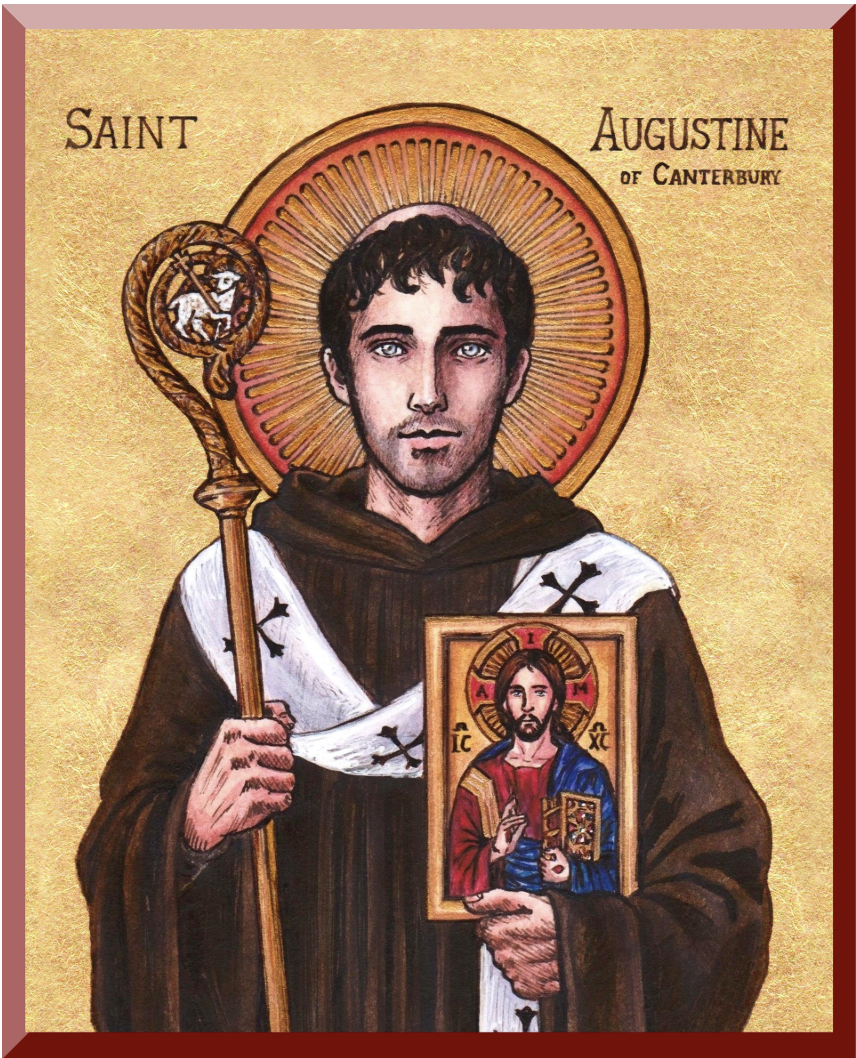
“O Lord our God, who by your Son Jesus Christ called your servant Augustine to preach the Gospel to the English people: We pray that all whom you call and send may do your will, bide your time, and see your glory; through the same Jesus Christ our Lord, who lives and reigns with you and the Holy Spirit, one God, for ever and ever. Amen.”
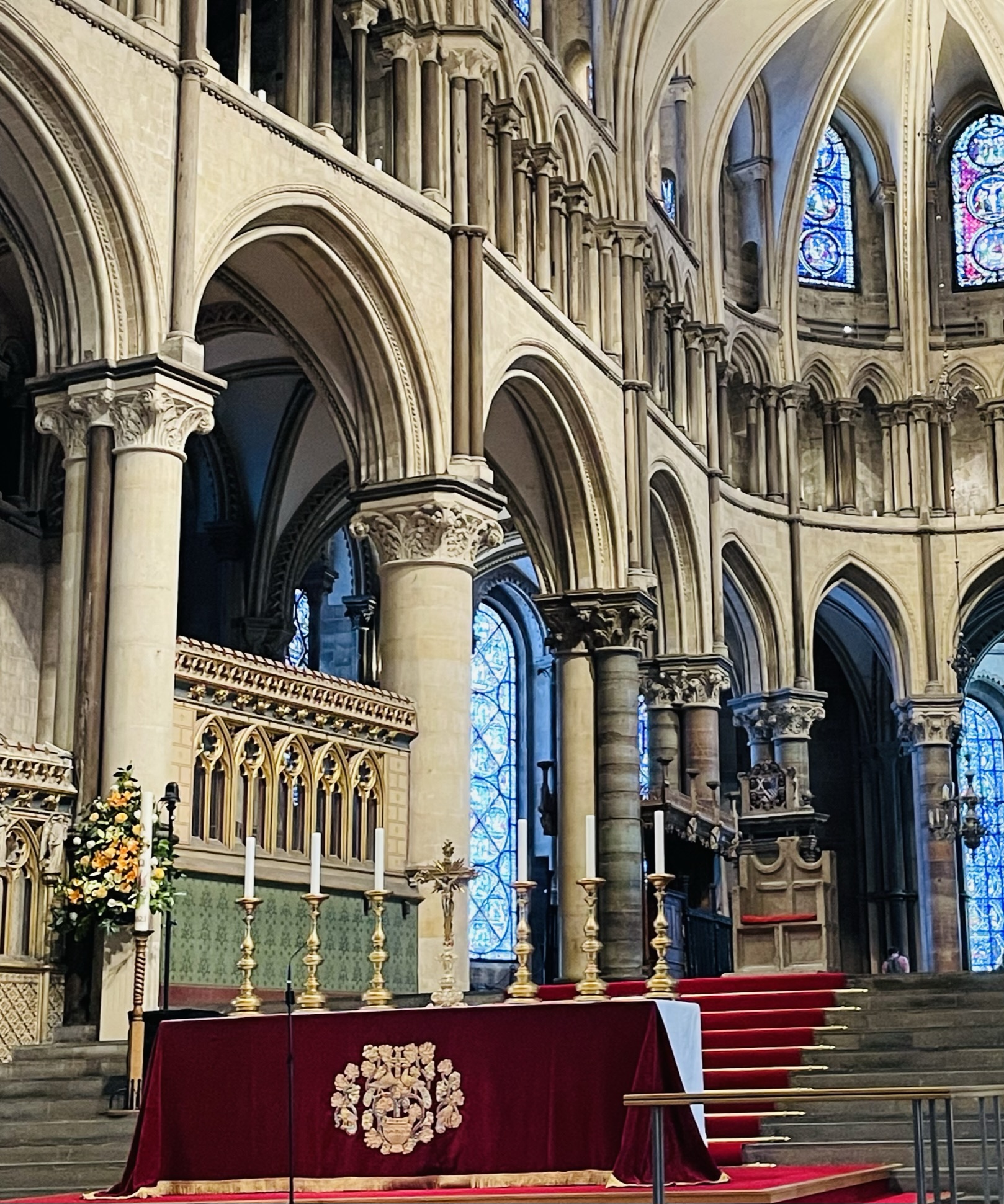
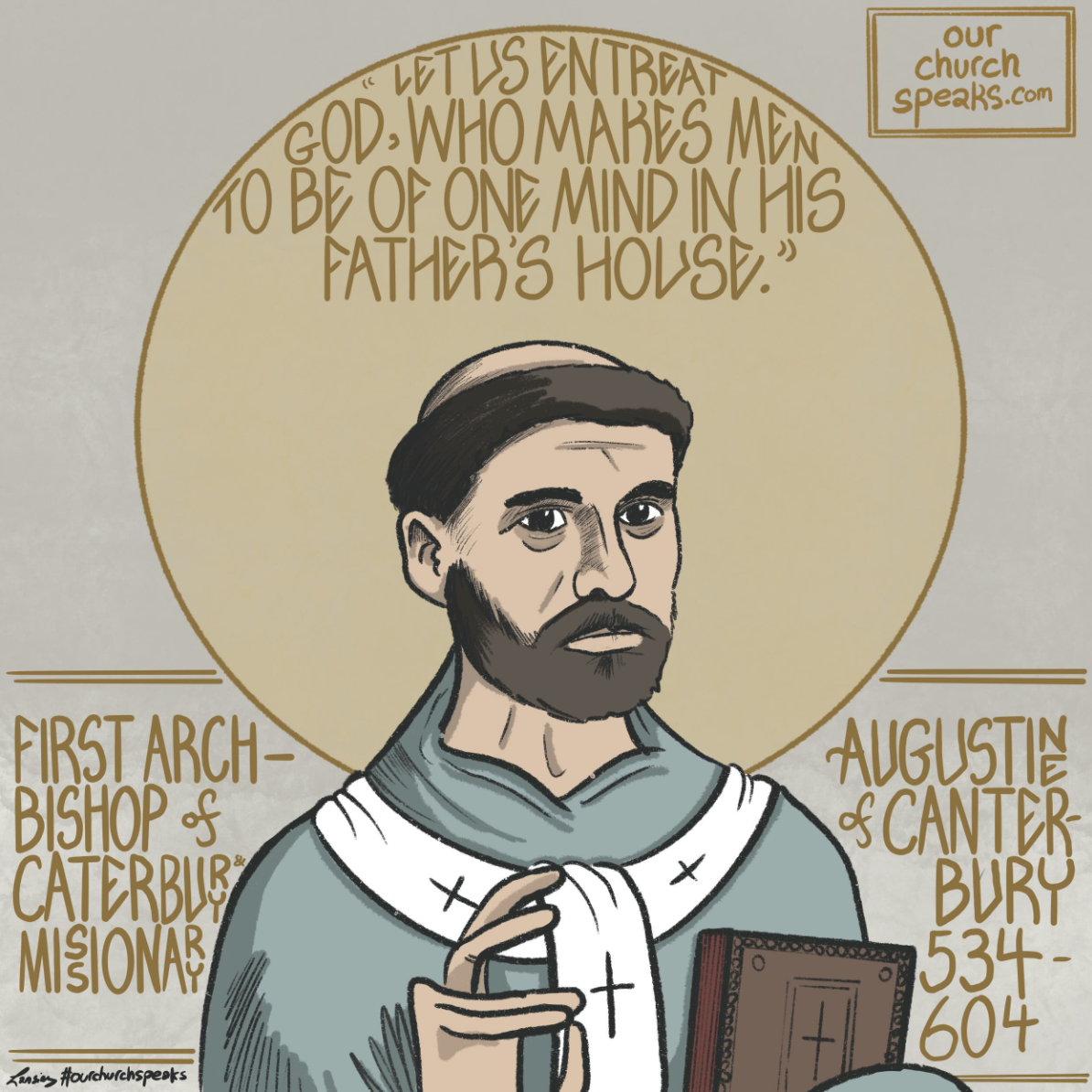
Decades before he was elected pope, Gregory the Great was walking through a marketplace in Rome when he saw two men who looked different from everyone else and asked his friend where they were from. When his friend told him that they were Angles, Gregory responded, “non Angli, sed angeli” (not Angles, but angels). When he learned they were from the province of Deiri (which is modern-day Yorkshire), he said, “Truly they are de ira,” which is Latin for“free from the wrath (of God).” And when he learned that their king was named Ælla, he sang, “Alleluia! May God’s Name be praised in their land!” And from that moment on, Gregory wanted to share the Good News of Jesus Christ with the people of England. That was his hope and vision. While serving as a deacon and papal ambassador, he asked the pope to please send a missionary to the English people and then eagerly offered himself to fulfill that role. While the pope was willing to grant his request, the citizens of Rome refused to approve of the mission because they did not want their beloved and gifted Gregory to depart from Rome. So, it was not until Gregory became pope himself that he was able to fulfill “the long-desired work” of evangelizing the Angles. He called and sent his friend Augustine who was serving as a Benedictine prior in Italy. Although Gregory never set foot on England himself, he sent Augustine off with his prayers and remained in close contact with him through letters, as Augustine evangelized King Æthelbert in Kent and set up an infrastructure in Canterbury for a church that still lasts to this day, 1500 years later.[1] Today, Canterbury is the Mecca for all 80 million Anglicans worldwide.

Although Gregory had a vision for evangelizing the Angles decades before the mission was launched, his commitment to patient prayer over those decades helped bring that vision finally to fruition in God’s good time. Gregory was “biding God’s time,” and Augustine was the man who was called and sent to do God’s will and thus to witness God’s glory be made manifest among the Angles. This is why we pray, on the feast of St. Augustine of Canterbury, “that all whom God calls and sends may do God’s will, bide God’s time, and see God’s glory.”
Similarly, the disciples in Luke’s Gospel (5:1-11) had a hope and vision for catching fish all day long, but they caught nothing until Jesus arrived and told them it was now God’s time for them to put out into deep water and let down their nets for a catch. In God’s good time, the disciples caught so many fish that their nets began to break, and their boats began to sink.
Here at Christ Church, several of us have had a vision for installing solar panels and becoming fully solar powered for many years now. Many of us have also had the vision of an outdoor labyrinth. We have been hoping and praying and perhaps sometimes feeling discouraged over the last few years. We have been invited to bide God’s time, which means to trust patiently in the divine timeline instead of forcing our own timeline; and now, we are fully solar powered, and we are well on our way to building our outdoor labyrinth! Thanks be to God! As our church grows and moves into the future, we are being called to re-imagine our own organization and infrastructure (like Augustine of Canterbury did among the Angles) lest our nets break and our boats begin to sink. While we may feel overwhelmed by our inadequacy (like Simon Peter in the Gospel), we are also invited to remain in amazement for what God is doing among us and to listen to Jesus say to us those same words he said to his disciples who left everything to follow him: “Do not be afraid.”
[1] The Venerable Bede, The Ecclesiastical History of the English People, Book II.i