Readings for the Feast of Lancelot Andrewes
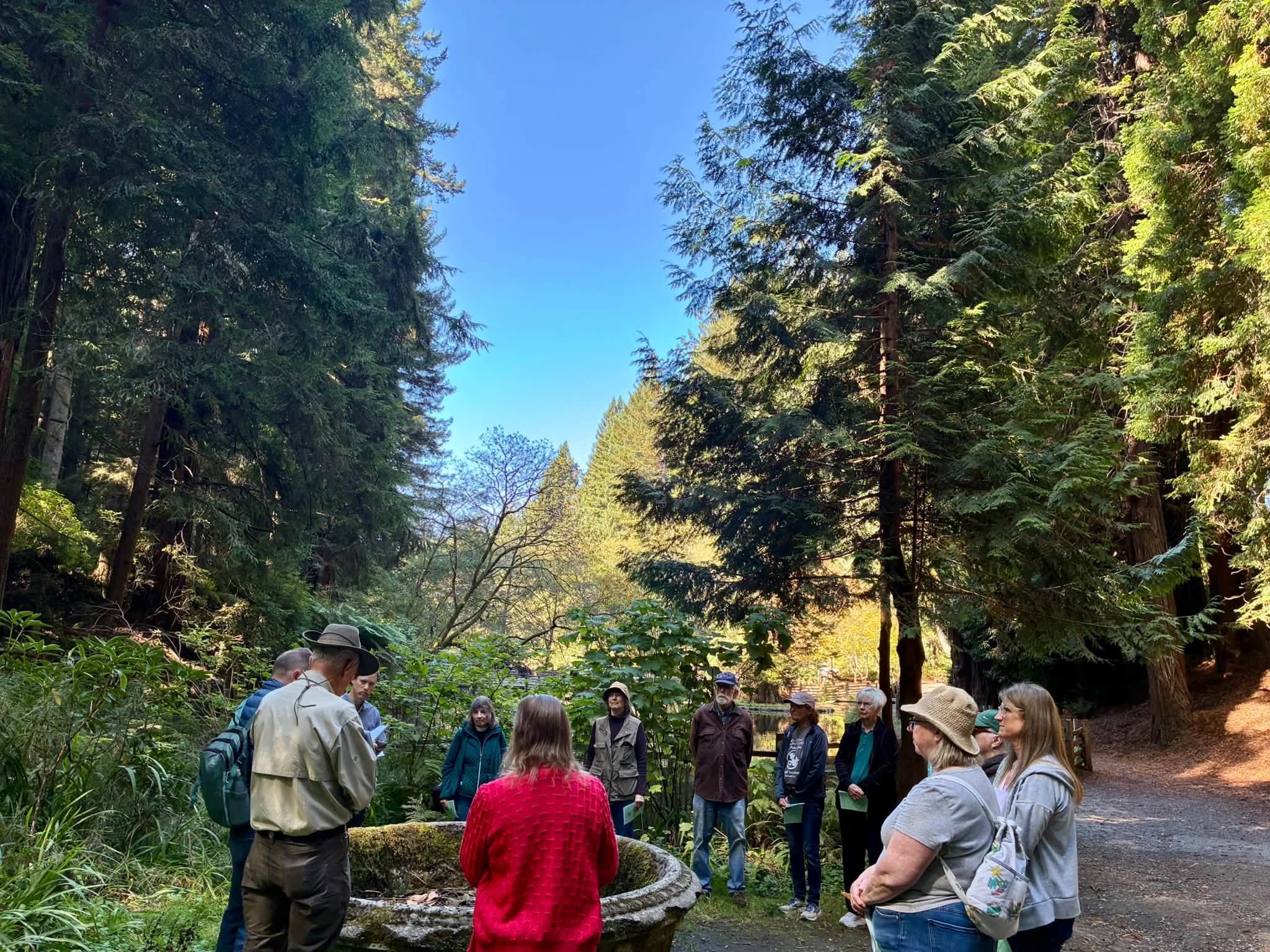
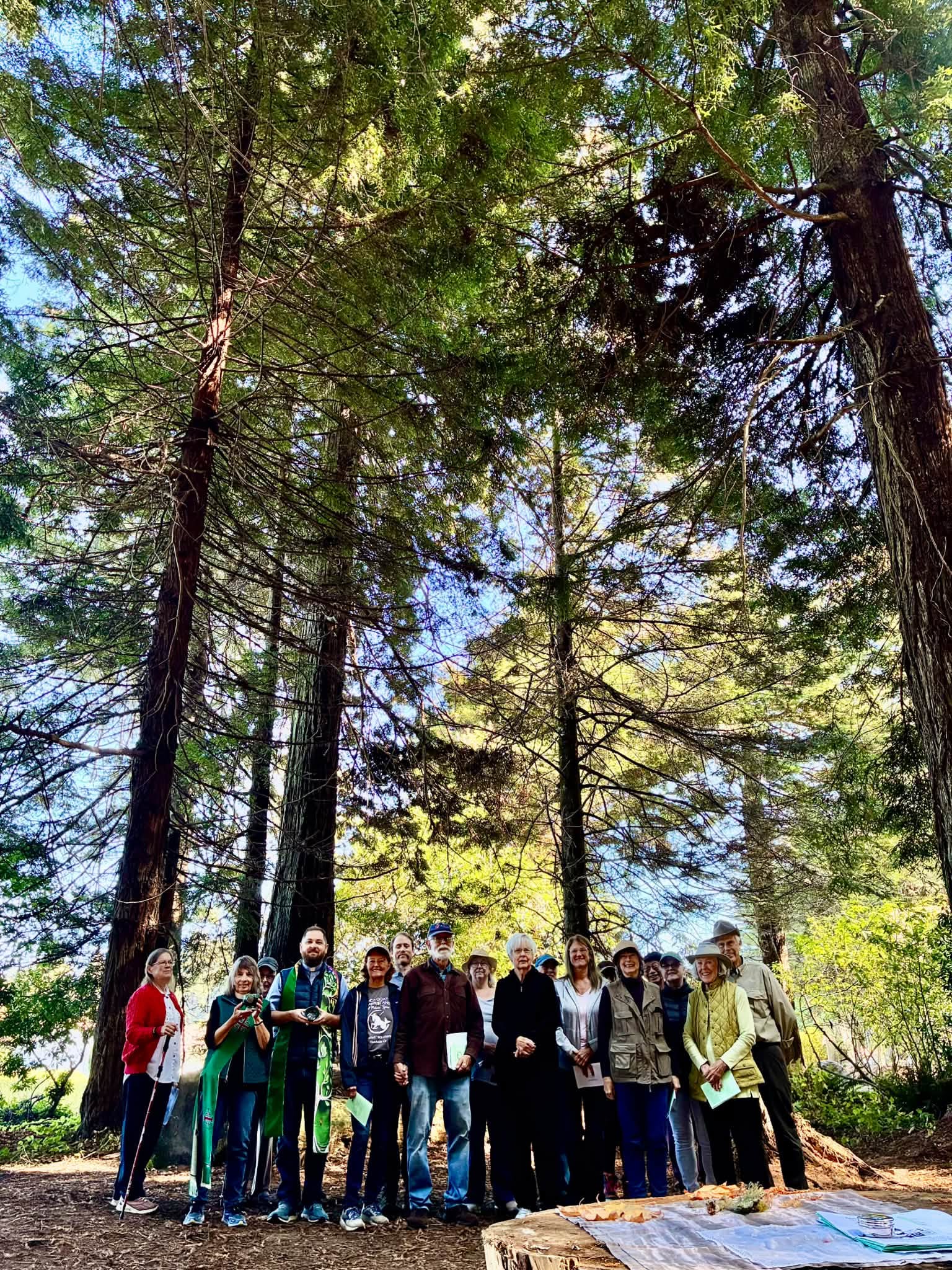
This reflection was shared at Sacred Saunter Outdoor Eucharist on Saturday September 26, 2026 at Sequoia Park during the Season of Creation
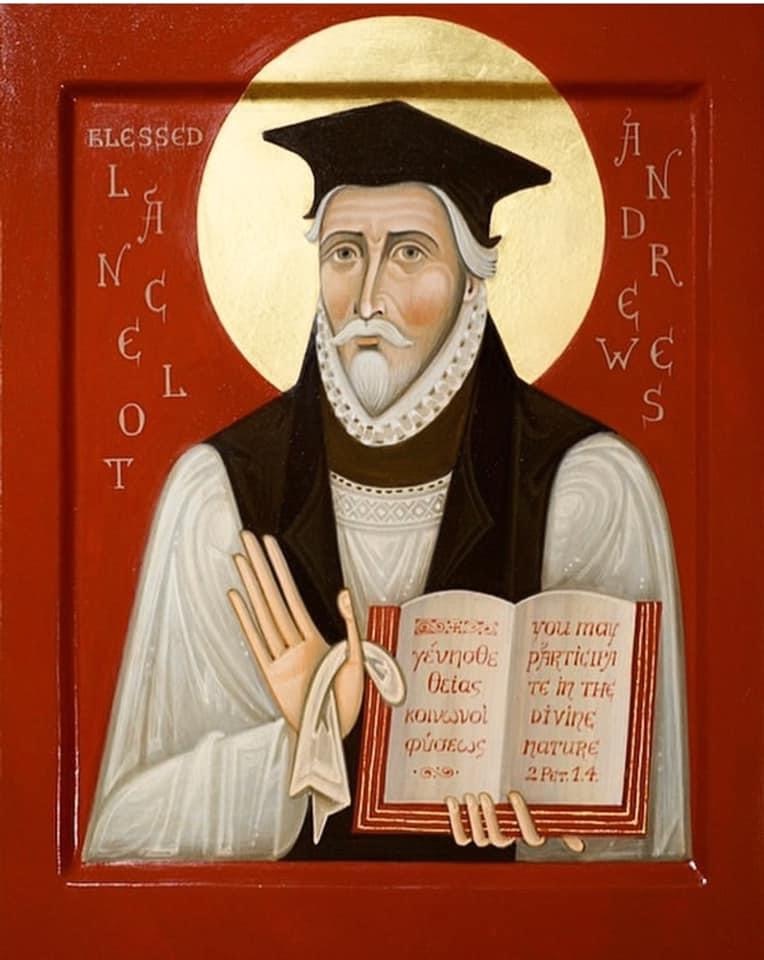
Lancelot Andrewes was an Anglican bishop in the 17th century who was responsible for translating the King James Bible, who preached at the funeral of Queen Elizabeth I and who served as chaplain to King James. His influence is “second to none in the history of the formation of the [Anglican] Church.” In his final novel, Kurt Vonnegut wrote this: “I am here to suggest that the greatest writer in the English language so far was Lancelot Andrewes (1555 – 1626), and not the Bard of Avon (1564 – 1616).”[1] T. S. Eliot called him “the first great preacher” in the Anglican Church; and he was especially inspired by the structure, precision, and intensity of his sermons, especially his sermon on the Magi, which Eliot quoted in his famous poem “The Journey of the Magi”: A cold coming we had of it. / Just the worst time of the year / For a Journey, and such a long journey: / The way deep and the weather sharp, / The very dead of winter.

The work of Lancelot Andrewes that most people read today is a text that he never intended to have published, his Preces Privatae or “Private Devotions.” Although a preacher, scholar and bishop of Chichester, and Ely, and Winchester, Lancelot is most celebrated today for being a man of prayer. His normal routine was to spend five hours a day in prayer; and his personal, private prayers, the prayers that he prayed when “he remembered God upon his bed and meditated in the night watches” (as our Psalm puts it) were written down and published after his death as his “Private Devotions.” He could read and speak at least 20 different languages. And although he loved and mastered (and perfected?) the English language, he preferred to pray his private prayers in Greek, Latin, and Hebrew.
The heart of his Devotions is a set of seven prayer exercises, one for each day of the week; and the themes follow the six days of Creation. All seven daily devotions share the same structure with six sections, which I call Creation, Confession, Grace, Creed, Intercession, and Gratitude. Our reading from First Timothy emphasizes these kinds of prayers when it describes “supplications, intercessions, and thanksgivings” which are to “be made for everyone, for kings and all who are in high positions, so that we may lead a quiet and peaceable life in all godliness and dignity.” English scholar F. E. Brightman has observed that Andrewes’ Devotions are to private prayer what the Prayer Book is to the church’s public worship. While the Private Devotions are intended to be used for private and personal use, today’s Gospel invites us to pray his prayers together. Just as Jesus’s disciples saw him praying privately in a certain place and asked for him to teach them his prayers so too can Lancelot Andrewes teach us his prayers (all based on Scripture and ancient church tradition). Professor of Historical Theology Fredrica Thompsett has suggested reading the Devotions while walking a labyrinth, reading one line with each deliberate step towards the center. Thomas Merton, who grew up Episcopalian and later became Roman Catholic, wrote, “I have been using the prayers of Lancelot Andrewes at night in the hermitage.[2] I will spend an afternoon in the woods with them one of these days.”[3] Today, let us pray the prayers of Lancelot Andrewes as we walk in the woods. As we pray the prayers he wrote for the Seventh Day of the Week and the Seventh Day of Creation, which is the day of rest, may we find rest and refreshment surrounded by the beauty of God’s creation, the same creation that inspired Bishop Andrewes.
[1] Kurt Vonnegut, Timequake (New York: G.P. Putnam, 1997), 113.
[2] Thomas Merton, “Letter to A. M. Allchin,” The Hidden Ground of Love: The Letters of Thomas Merton on Religious Experience and Social Concerns.; Selected and edited by William H. Shannon. / New York : Farrar Straus Giroux. 1985, p. 27.
[3] Thomas Merton, “Letter to Etta Gullick,” The Hidden Ground of Love: The Letters of Thomas Merton on Religious Experience and Social Concerns.; Selected and edited by William H. Shannon. / New York : Farrar Straus Giroux. 1985, p. 363.