
Readings for the Fifteenth Sunday after Pentecost (Proper 18 – Track 1 – Year A)
Exodus 12:1-14
Psalm 149
Romans 13:8-14
Matthew 18:15-20
This sermon was preached at Christ Episcopal Church in Eureka CA on September 6, 2026.
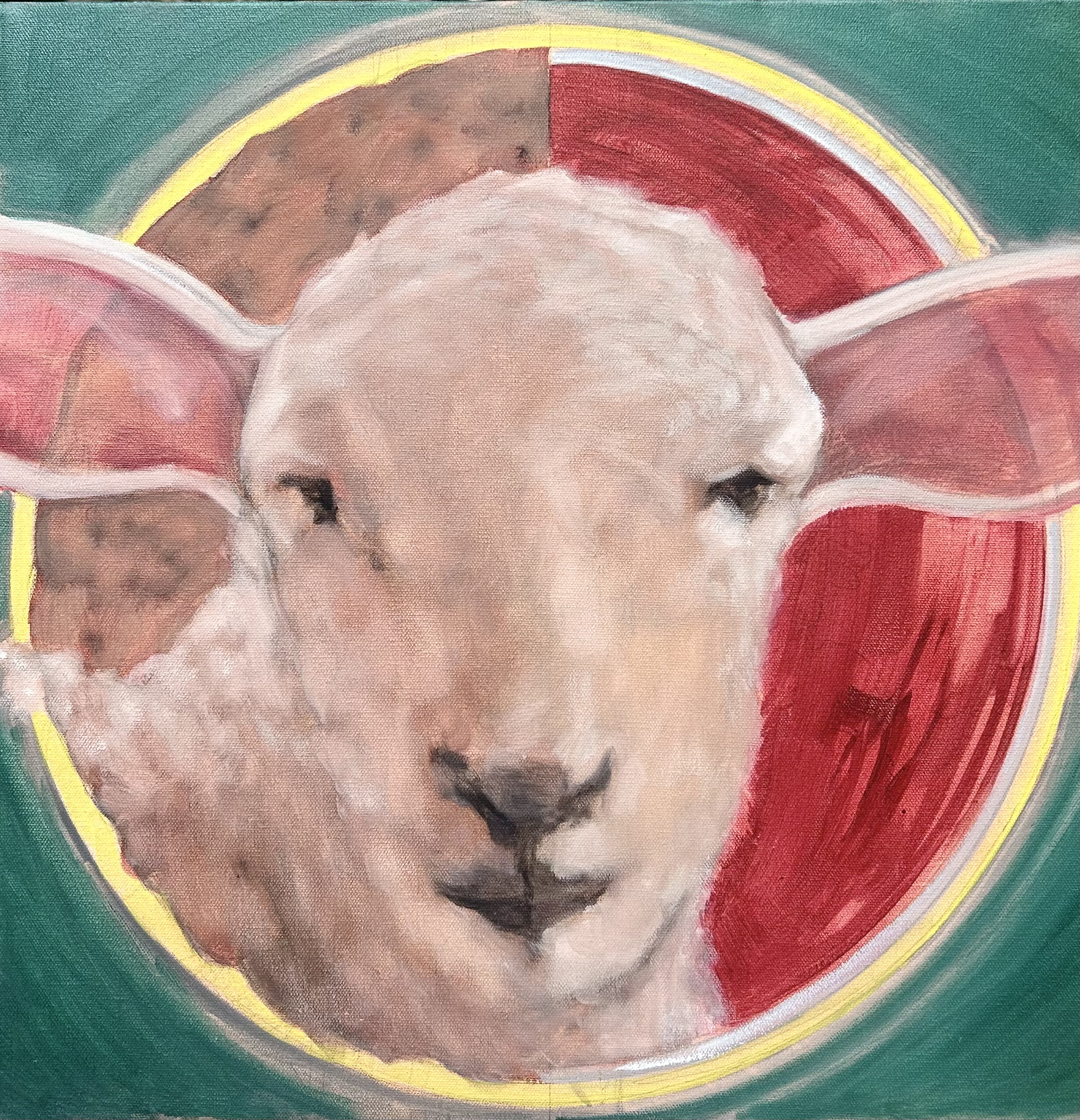
Last Sunday, we read about God’s self-revelation to Moses at the Burning Bush and learned that we are all called to burn with compassion while not burning out by continually returning to this altar where we bring to our lips the burning coal of God’s everlasting life. Two Sundays ago, we read about the two Hebrew midwives of Egypt who embodied God’s subversive vivacity by responding to Pharaoh’s deadly decree with clever deception. Shiphrah and Puah insisted that the Hebrew women were so vivacious that they gave birth before the midwives could arrive to dispose of the babies. This story of Shiphrah and Puah is the first story in the book of Exodus and therefore sets the stage for the entire book, informing our understanding of the Paschal Lamb and the Paschal Mystery, which is at the heart of our Christian faith.
This morning, I’m going to offer an interpretation of the Paschal Lamb (described in our Exodus reading today) that is informed by subtleties in the original Hebrew text, ancient Jewish midrash, and most of all, by the life, death, and resurrection of Jesus Christ who reveals God as non-violent love. You can feel free to disagree with my interpretation. Remember that, liturgically, your response to my sermon is the saying of the Creed. By saying the Creed, you are essentially saying, “That’s interesting, Father Daniel, and here’s what I believe.” While my interpretation does not conflict with the Creed, it does challenge traditional readings of the biblical text.
When we read the opening story of Exodus, which recounts the good trouble and holy mischief of Shiphrah and Puah, there are three characteristic tendencies I want to highlight: First, Pharaoh responds to his anxiety regarding the Israelites by commanding the slaughter of innocent children. Second, the Hebrew leaders protect the innocent through clever deception. And third, the Hebrew leaders are inspired by their belief in God (Exodus 1:17) to undermine the powers of death through creative nonviolent resistance.
When we turn our attention to our reading today from Exodus 12, we can imagine these same characteristic tendencies at play. After being pummeled by nine disastrous plagues, which would have damaged the Egyptian economy and the people’s sense of stability and wellbeing, Pharaoh is riddled with anxiety again; and we know what Pharaoh is capable of doing when feels anxious. According to anthropologists, communities often resort to scapegoating during times of crisis and catastrophe. In fact, our Gospel reading today lays out a powerful method to counteract our compulsion to scapegoat others. In ancient times, communities would often resort to a blunter force of scapegoating known as human sacrifice. The ancient Egyptians likely believed that the plagues were evidence that their gods were upset with them and needed to be appeased through some form of bloody sacrifice. So, the religious leaders of Egypt likely reverted to the worst kind of human sacrifice: child sacrifice, which is not hard to imagine since the first chapter of Exodus describes the Pharaoh’s orders to drown every Hebrew boy in the Nile River (Ex 1:22). But now it appears that everyone in Egypt (including Pharaoh himself) was required to sacrifice their firstborn son to appease the angry gods. And so, to ensure that every household obeyed this dreadful ordinance, the Egyptian religious leaders and priests required each family to show proof of their obedience by wiping the blood of their firstborn son on the lintel of their door. If there was no blood seen on the door, the Egyptians priests would have to perform the dreadful ritual themselves, thus functioning collectively as the malak hamashchit, the Messenger of Death (also translated as the Angel of Death).
In Exodus 12, we see Pharaoh responding to his anxiety regarding the Israelites in a similar way in which he responded in chapter one: by commanding the slaughter of innocent children, but this time the slaughter includes the children of Egypt, even his own firstborn son. Like the Hebrew midwives who deceived Pharaoh in order to keep the young boys alive, Moses also employs clever deception to protect the innocent children. Moses remembers the story of Abraham who struggled to obey God by sacrificing his son Isaac and then ultimately learned how to offer a greater sacrifice in letting go of his preconceptions of God as violent and bloodthirsty. God affirmed Abraham’s sacrifice and rejection of divine violence by providing a ram in the thicket and even offering Godself as the ram in place of Isaac.
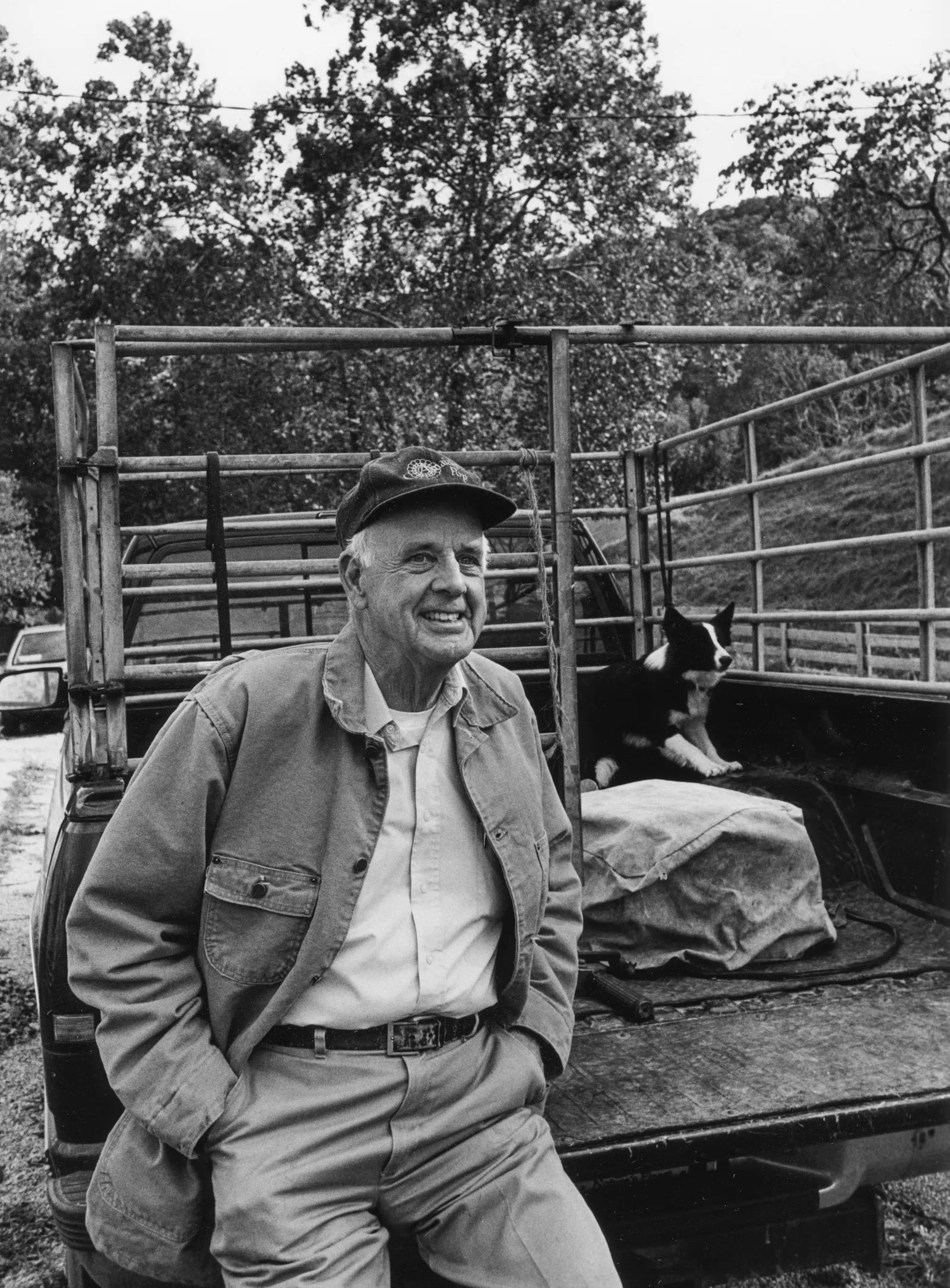
So, just like their father Abraham, the Israelites sacrifice a lamb instead of their firstborn son; and when the priests of Egypt, functioning collectively as the malak hamashchit, approach the households of the Israelites and see the blood on the door, they conclude that the sacrifice of the firstborn son has been made and they thus pass over the house and proceed to the next one. Meanwhile, the Israelite families are inside their home not grieving over the loss of their firstborn sons, sacrificed to appease a bloodthirsty foreign god; rather, the Hebrew families are enjoying a delicious lamb dinner with their beloved children because they believe in a God of life, liberation, subversive vivaciousness, and self-giving love. The Paschal Lamb (or Passover Lamb) thus becomes the great Jewish symbol of God’s s life and self-giving love exposing and undermining all the powers of imperial violence and death. This is why the Gospel of John insists on identifying Jesus as the Lamb of God who takes away the sin of the world; and this is why Jesus is crucified on the same day when the Passover Lambs are being sacrificed; and this is why we talk about being washed in the blood of the Lamb, the blood that causes death to pass over us; and this is why the book of Revelation portrays the Lamb at the center of the throne, the Lamb who is also our Shepherd. And this is why the symbol of our parish, an Episcopal Church not named after any saint but named after Christ himself, is the Lamb, the Paschal Lamb, who continues to save lives by exposing and dismantling and undermining sin and systems of political and religious violence through subversive vivaciousness. The most ancient understanding of the Cross is that it was a trick that God played on the devil, frustrating the devil’s deadly schemes. This is way of the Paschal Lamb, who inspires us to emulate the holy mischief of Shiphrah and Puah and Moses and, in the words of Paul, to “lay aside the works of darkness and put on the armor of light;” and, in the words of the late poet Wendell Berry (who died this last Monday), to “do something every day that won’t compute…[to] love someone who does not deserve it, ‘[to] laugh [for laugh is immeasurable and] be joyful though [we] have considered all the facts…[to deceive the generals and politicos who try to predict the motions of our mind]…[to] be like the fox who makes more tracks than necessary, some in the wrong direction…to mark the false trail…[to] practice resurrection.” This is the Manifesto of the Paschal Lamb. May it be our manifesto as well. Amen.

 DANIEL DeFOREST LONDON