Readings for the Eleventh Sunday after Pentecost (Proper 14 – Track 2 – Year A)
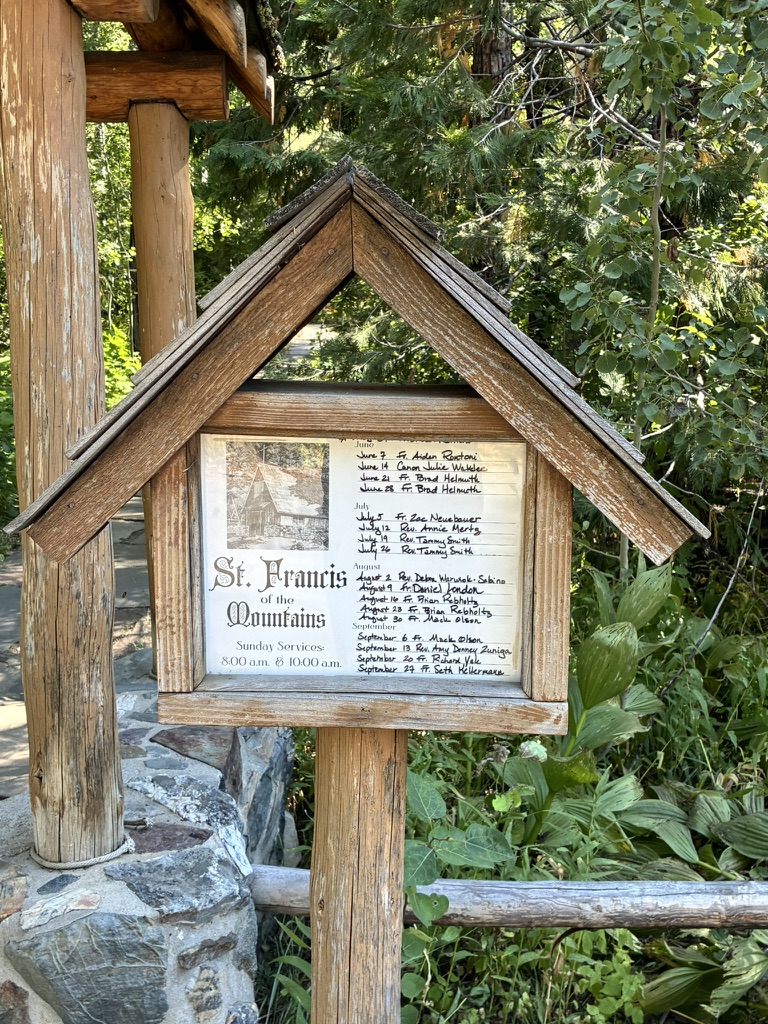
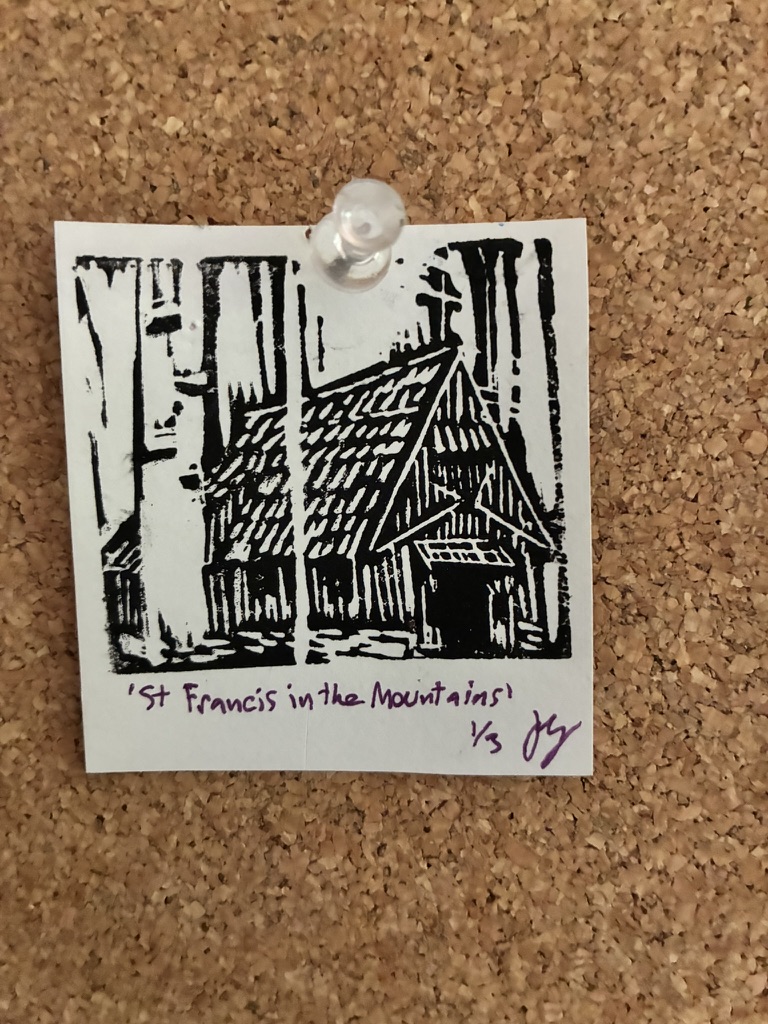
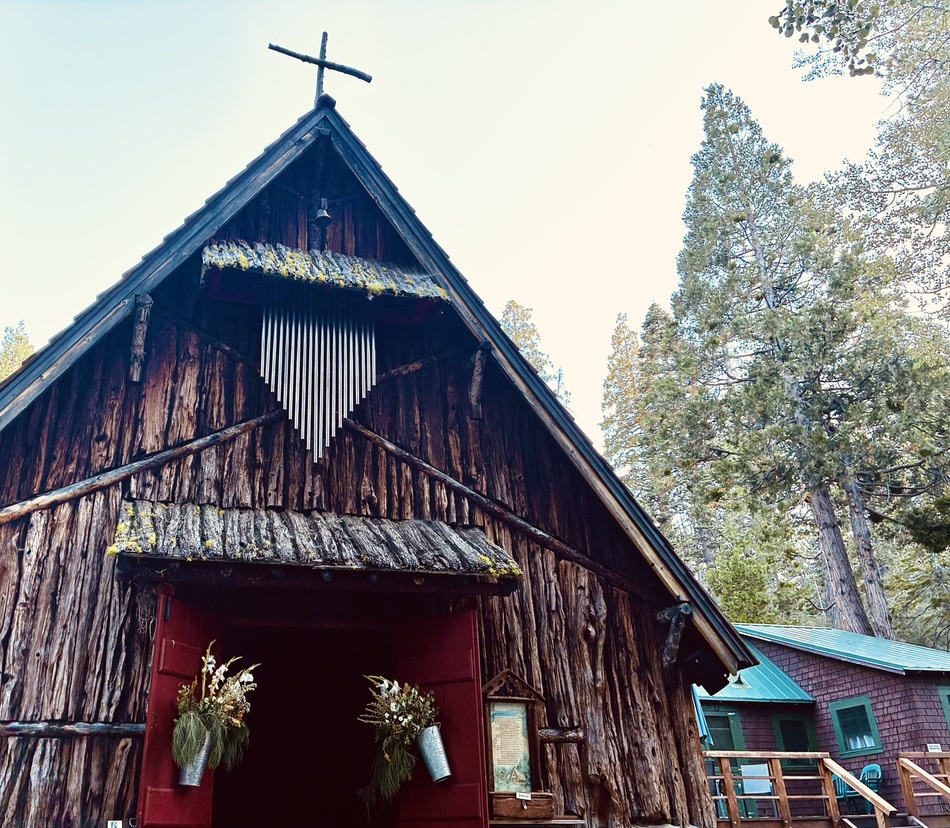
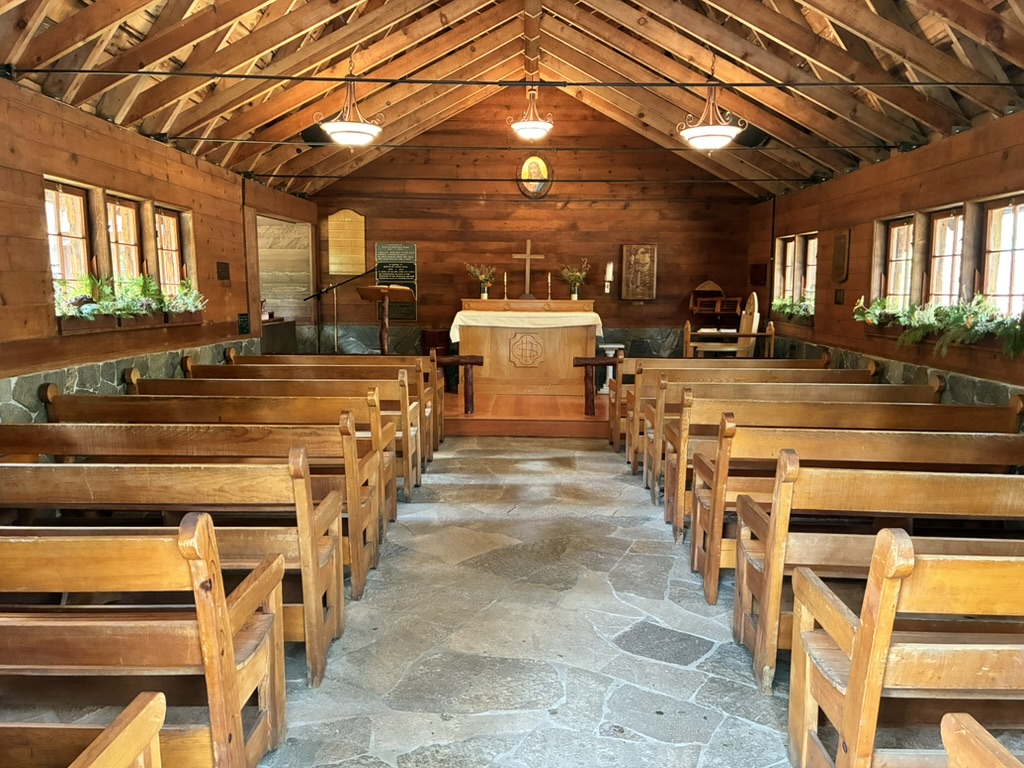
This sermon was preached at St. Francis of the Mountains (Fallen Leaf Chapel) at Fallen Leaf Lake in South Lake Tahoe CA on Sunday August 9, 2026.
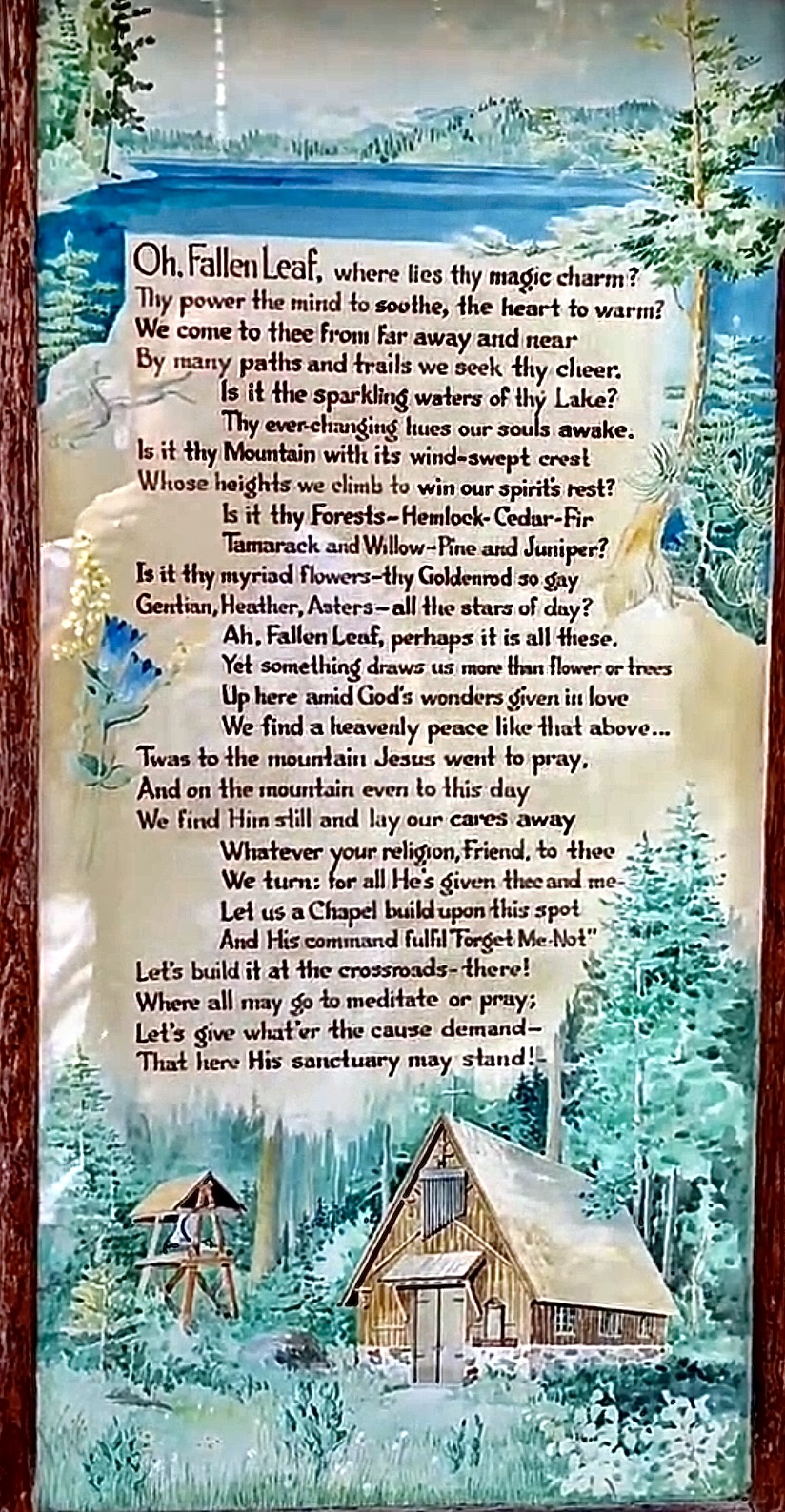
Twas to the mountain Jesus went to pray,
And on the mountain even to this day
We find Him still and lay our cares away.
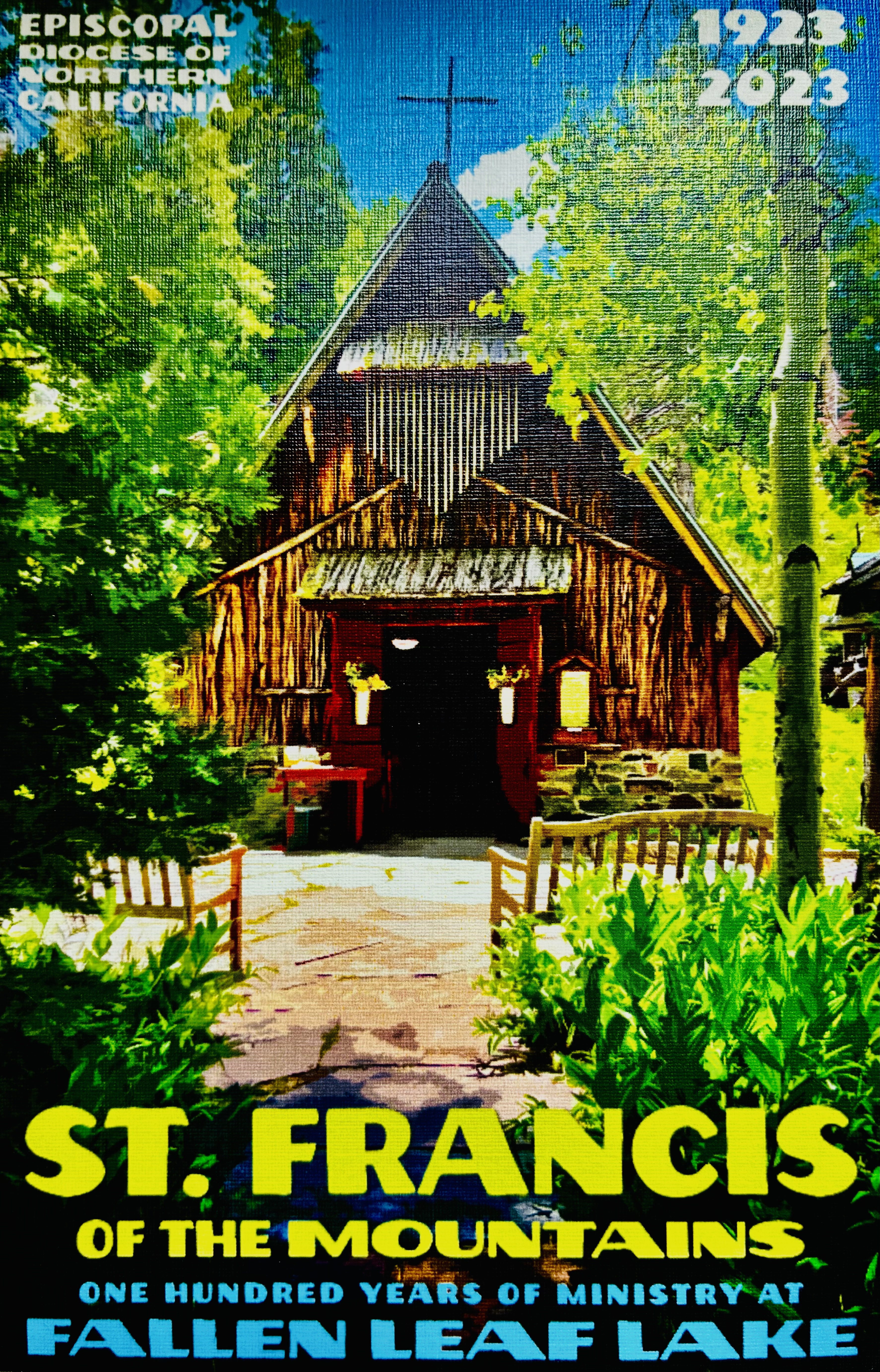
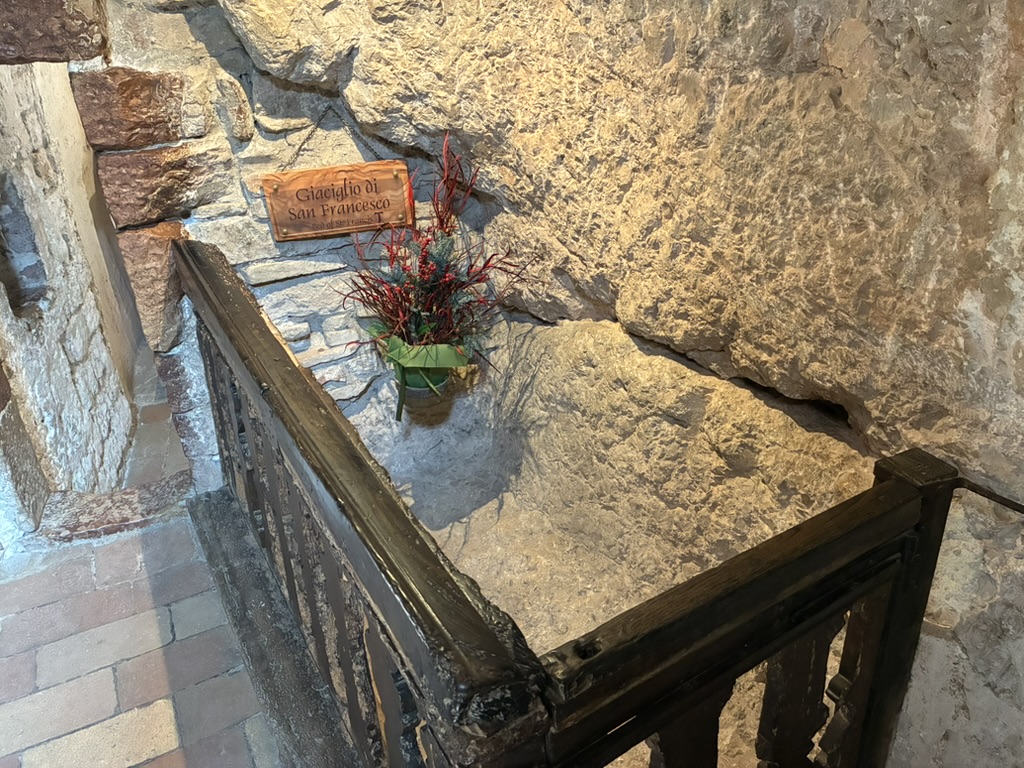
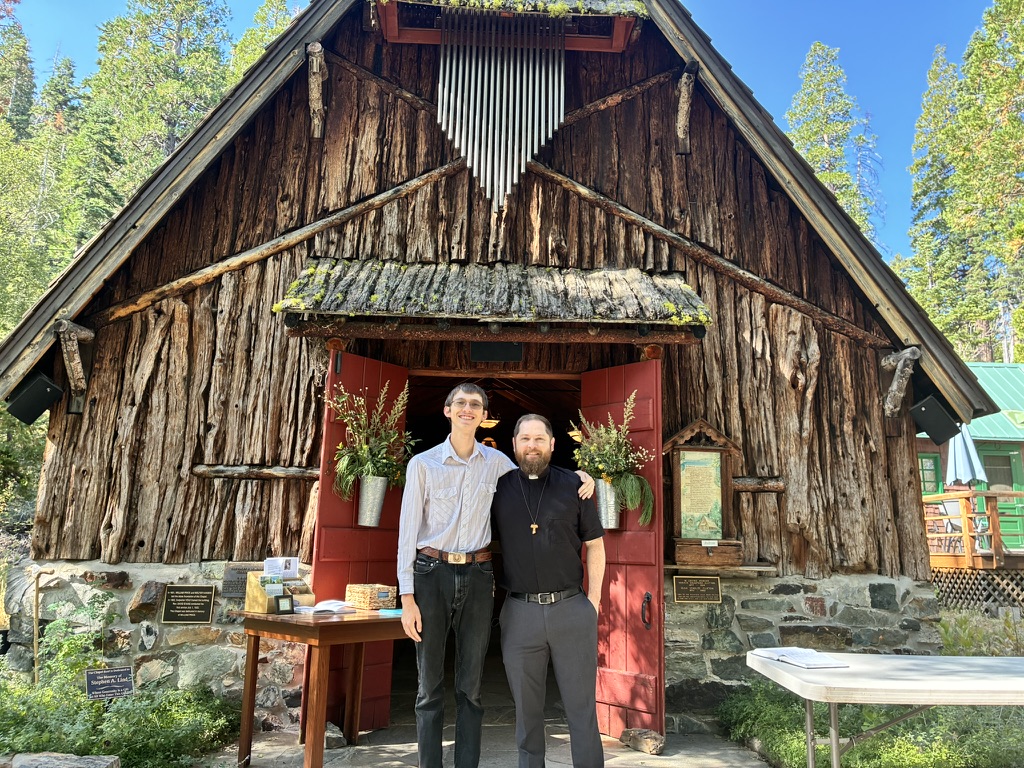
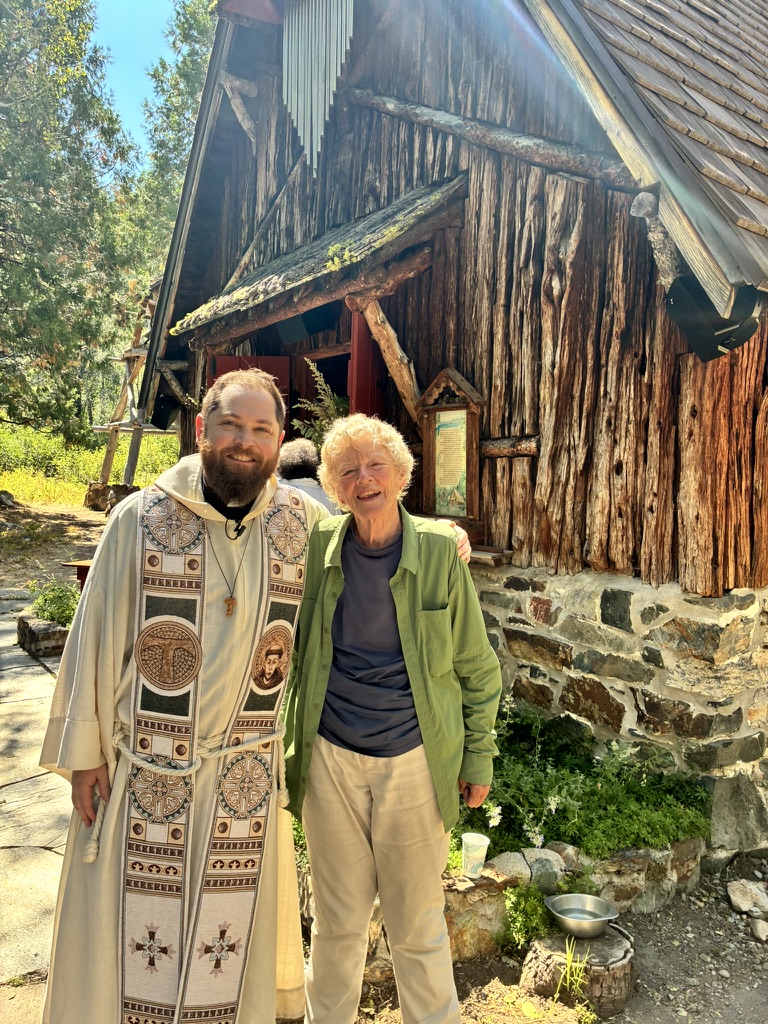
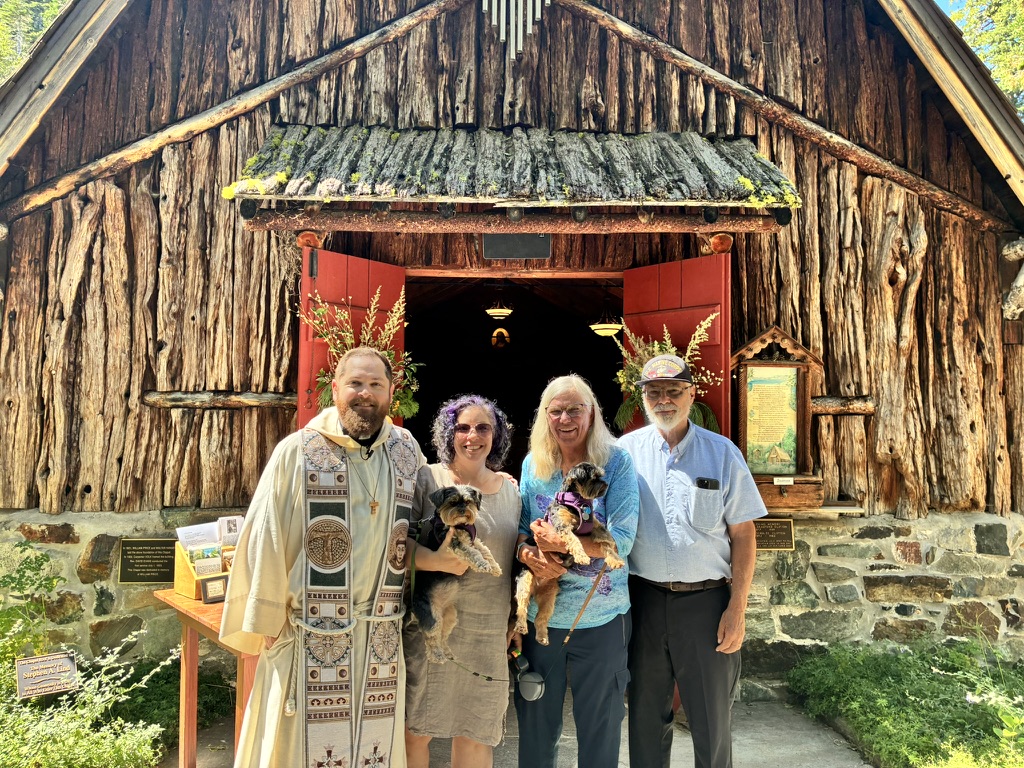
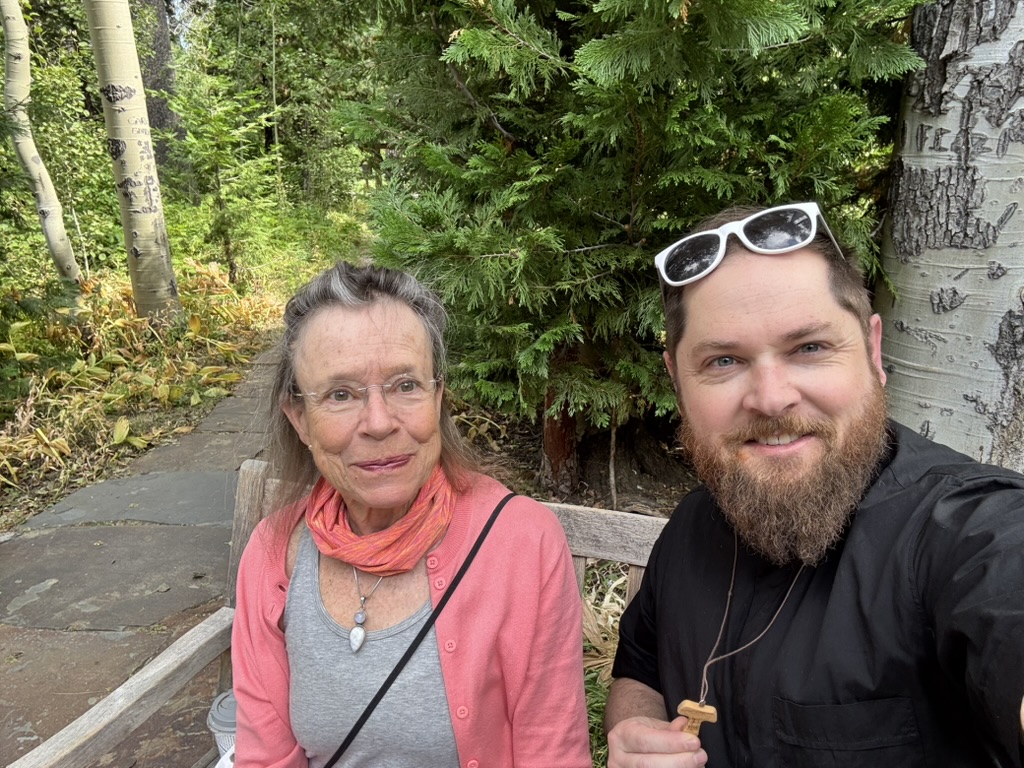
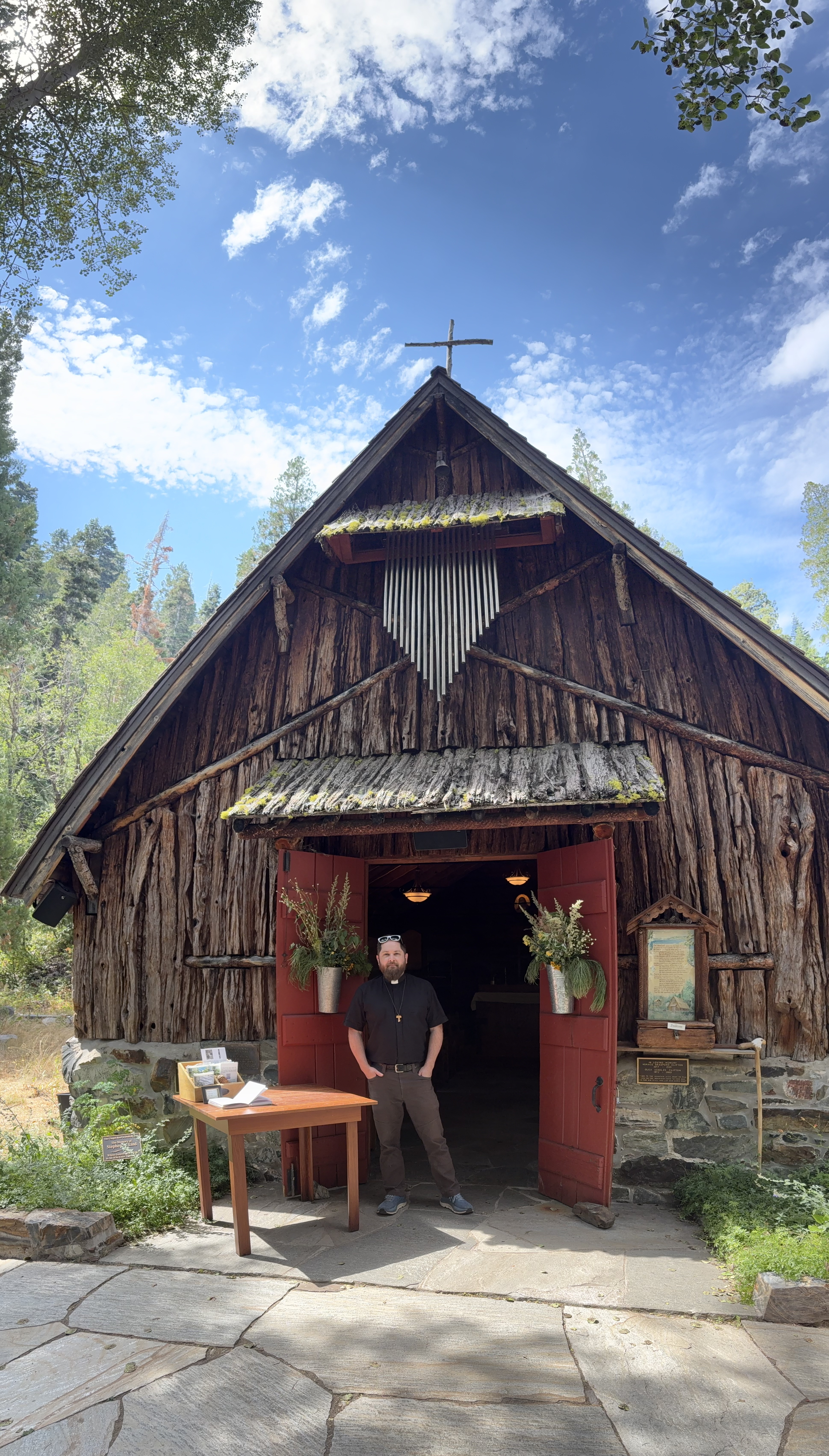
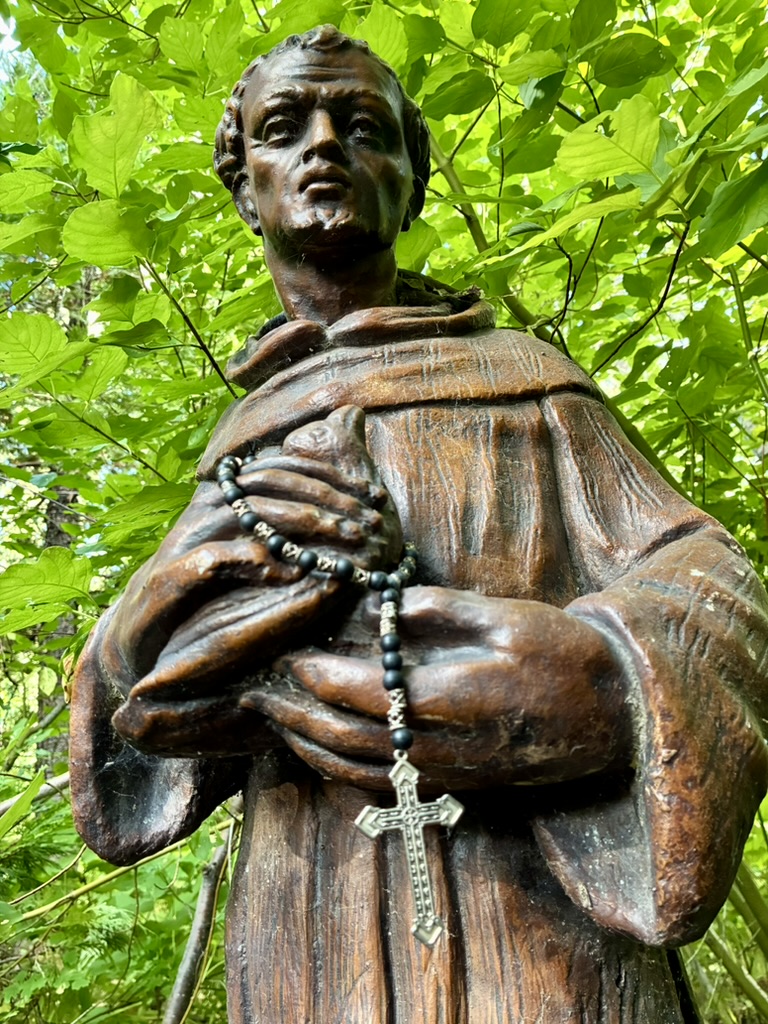
My name is Father Daniel London, and I am the rector of Christ Episcopal Church in Eureka CA, which is about a 7-hour drive Northwest of here. I am thrilled to be worshipping with you all for the first time here at Fallen Leaf Chapel, which is also known, more officially, as St. Francis of the Mountains! This year marks the 800th anniversary of St. Francis’s death or “Transitus”; and my wife Bacchi and I honored this occasion by making a pilgrimage to Assisi Italy in March this year to visit the remains of Francis, the patron saint of animals, nature, ecology, and (I would add) interfaith dialogue and peace. The stole I am wearing, and the Tau necklace are both from St. Francis’s hometown of Assisi.[1]
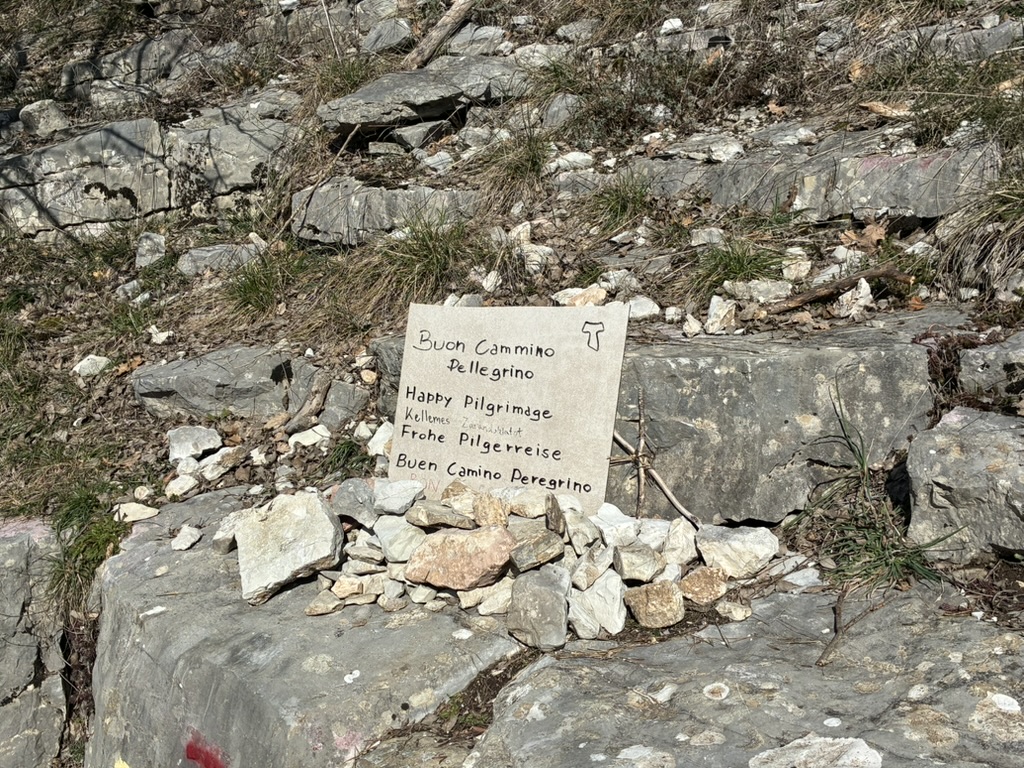
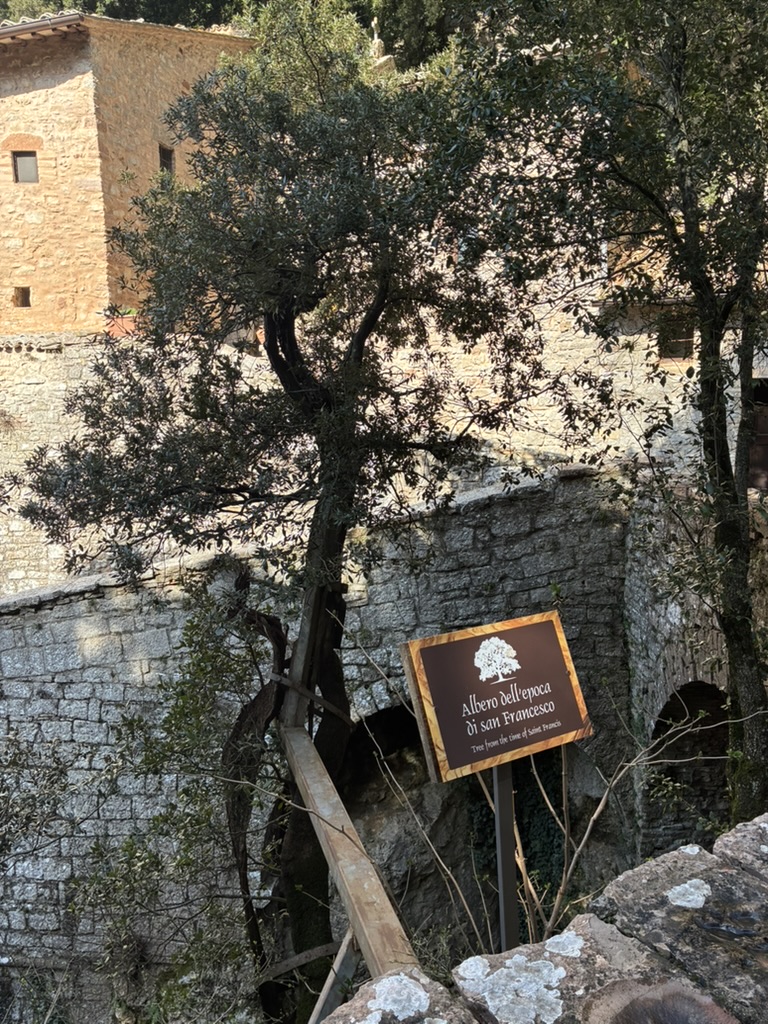
While I was deeply moved by the saint’s remains and the masterpieces of medieval art that surrounded the saint’s remains in Assisi, I must say that I felt the spirit of Francis most potently while hiking up a mountain (Mount Subasio) to a place called Eremo delle Carceri (Hermitage of the Caves), where Francis and his close friars would often retreat for prayer. On that mountain, I listened to Brother Wind blowing through some of the same trees that Francis touched.[2] St. Francis would spend days, even months, listening to God in the silence of the mountains.[3] He was indeed St. Francis of the Mountains.
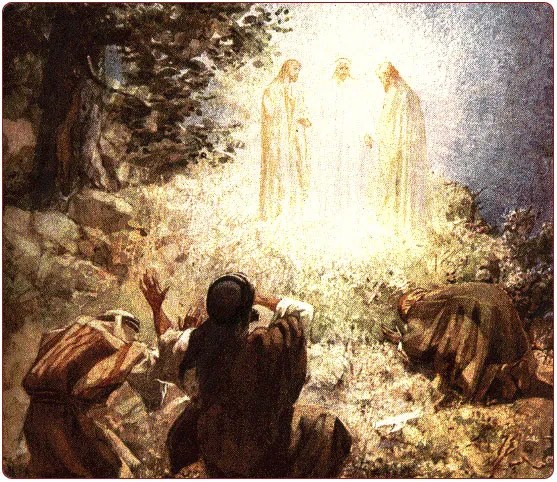
A few days ago, the church celebrated a major feast day, the Feast of the Transfiguration, an event that is recorded in all three Synoptic Gospels in which Jesus takes three of his closest friends (Peter, James, and John) on a hike up a mountain, where Jesus appears transfigured in raiment white and glistening. The disciples who witness this Transfiguration also hear a voice that says, “This is my Beloved Son with whom I am well pleased. Listen to him.” The ancient tradition and practice of listening to God on a mountain top is embodied in the two prophets who flanked Jesus: Moses, who received the Torah on Mount Sinai; and Elijah, who in our reading today, heard God speak to him not in the earthquake, and not in the fire, but in “a sound of sheer silence,” or in what other translations call “a still small voice.”
The Scripture readings today invite us to listen to the still small voice of God among the mountains; to listen like the psalmist, who says, “I will listen to what the LORD God is saying, for he his speaking peace…to those who turn their hearts to him” (Psalm 85:8). We are invited to listen with our hearts like St. Paul, who says in Romans, “the word is near…in your heart.”[4]
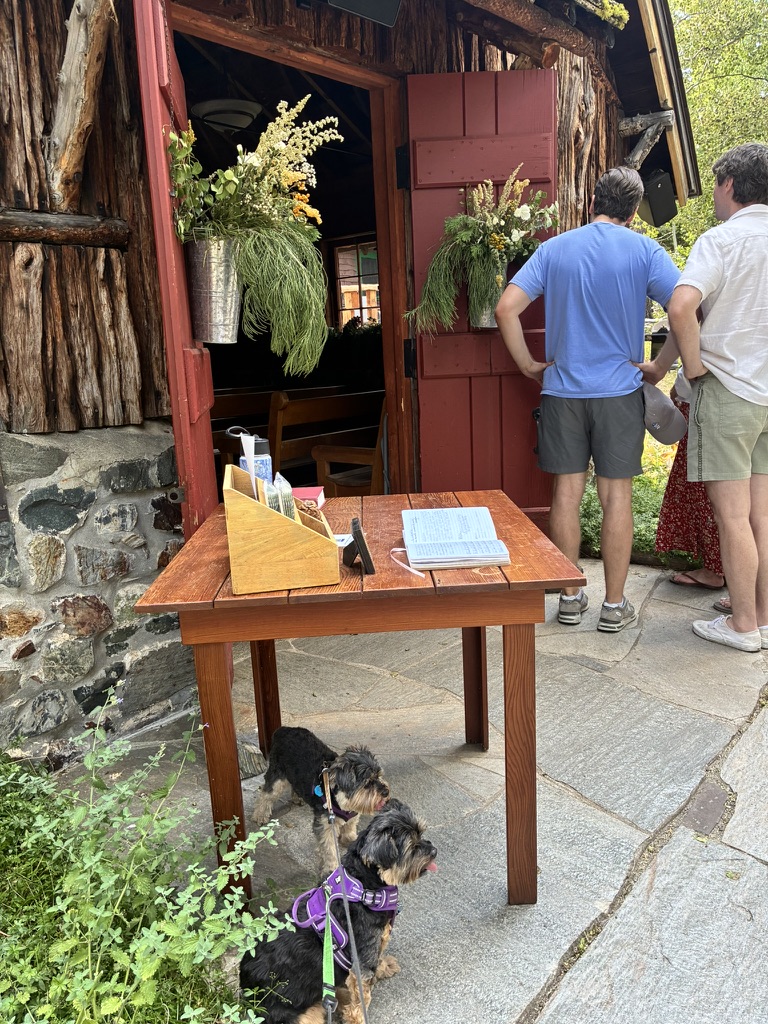
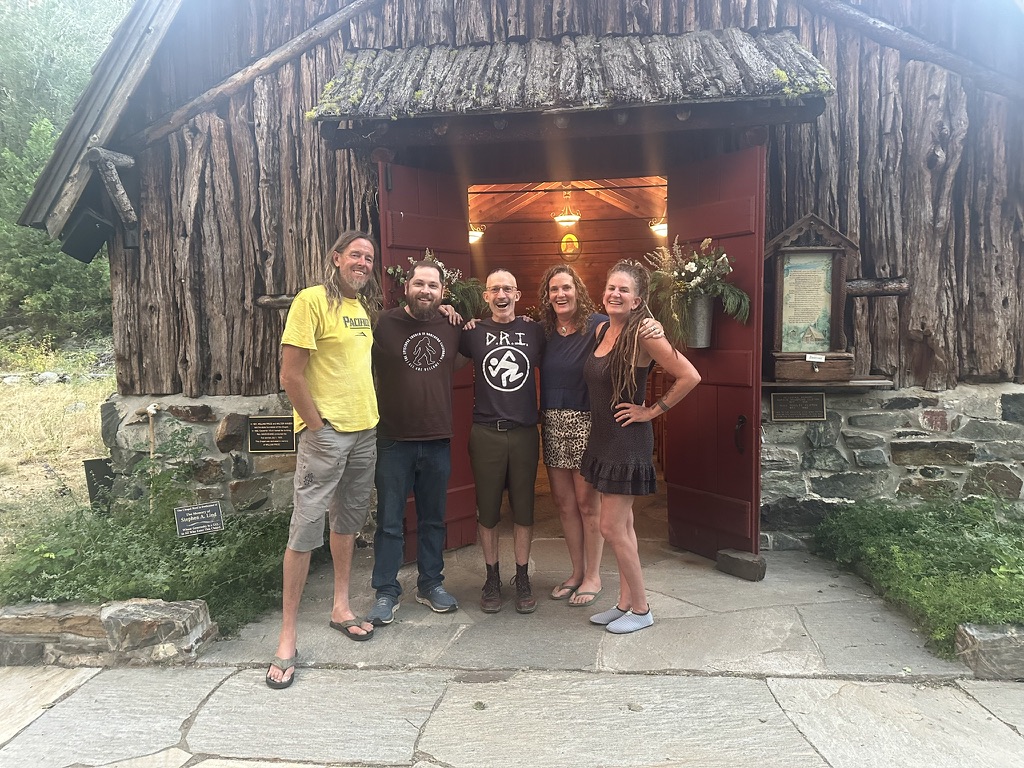
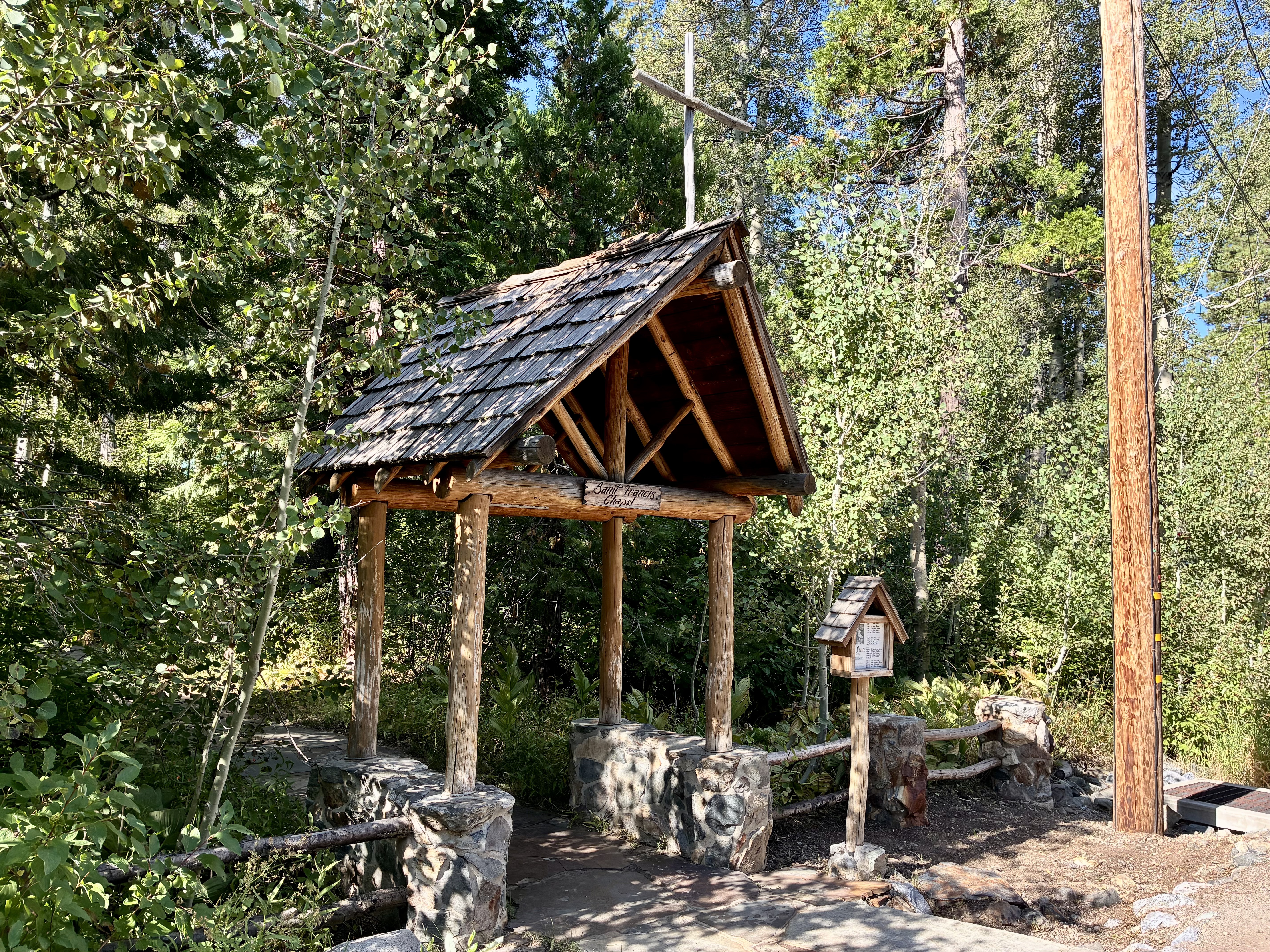
This invitation is echoed in our Gospel reading today in which Jesus “went up the mountain by himself to pray.” Today’s Gospel inspired the lines from the poem by Horace Clifton that is posted on the entrance of this very chapel and repeated on a plaque below it:
Twas to the mountain Jesus went to pray,
And on the mountain even to this day
We find Him still and lay our cares away.
The phrase “We find Him still” (as opposed to “We still find Him”) suggests that we find him in the stillness of our hearts and in the still silence of the mountain.
I invite us to emulate Jesus and Elijah and St. Francis by spending some time listening to the silence of the mountains. We can hike a mountain, or we can simply go outside because we are already in the mountains right now! May we listen to the still small voice of God; and may that voice encourage us to take heart, to not be afraid. May that voice give us the courage, grace, and levity to walk on top of and over – rather than drown in—the waters of fear and anxiety. May we listen with hearts that believe in the God who raised Jesus from the dead, in the God who speaks peace with a still small voice in the silence of the mountains; and may we do so in honor of your patron saint, the most beloved saint in all of church history: St. Francis of the Mountains!
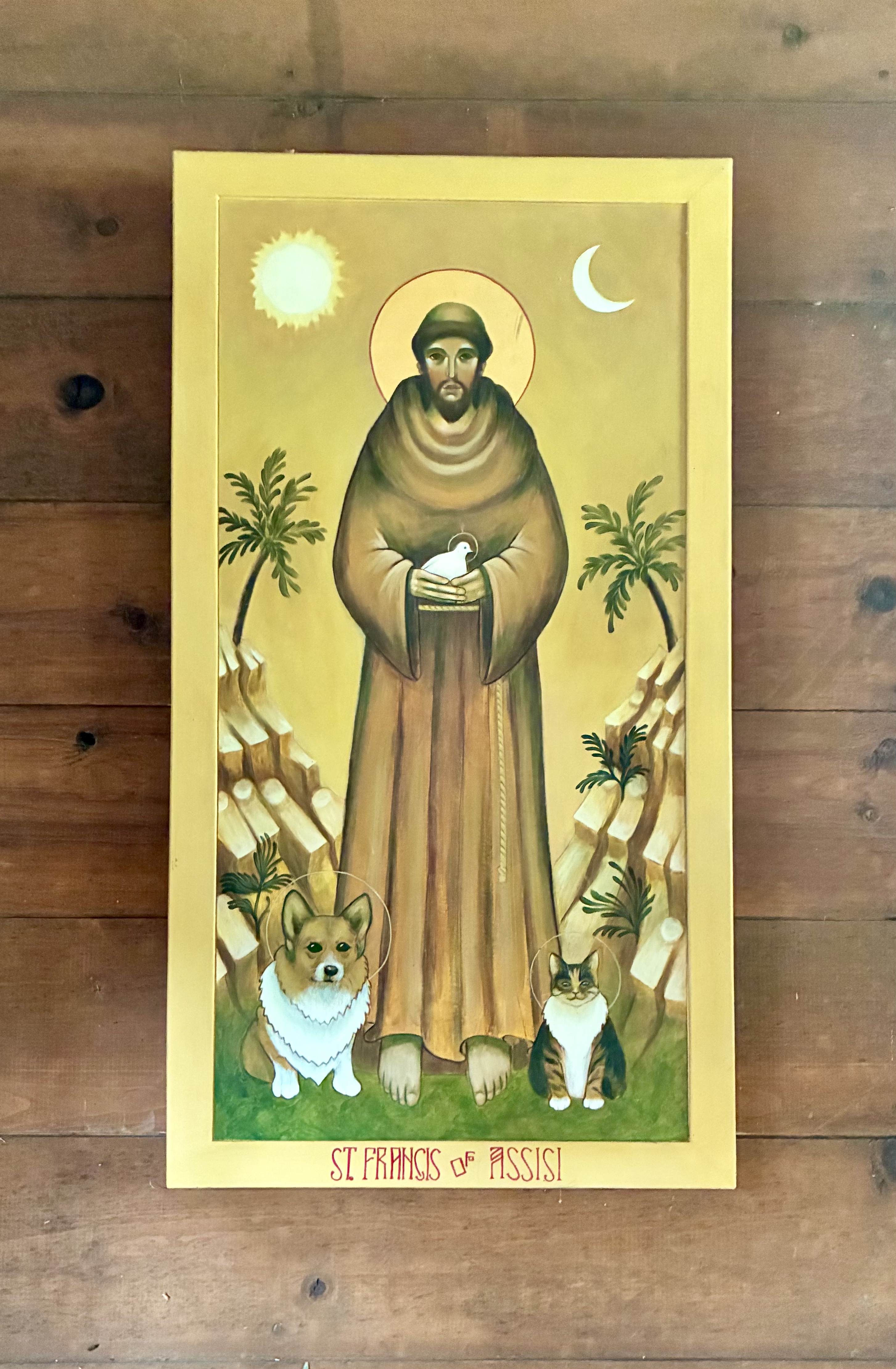
[1] I also preached on St. Francis at the Episcopal Church in Florence, Italy; and I read that this lovely mosaic above the altar is a gift from Florence. I should also add that this icon of St. Francis with Corgi and kitty cat looks very much like it was “written” by Kathryne Burleson, who worshipped at Christ Church Eureka and whose icons adorn all the Episcopal churches up in our deanery, including my own.
[2] The holm oaks are known as the Leccio di San Francesco. There’s a centuries-old Mediterranean cypress that is supported by metal straps and marked as Albero de!’epoca di San Francesco (“Tree from the Time of St. Francis”). One of my favorite authors Thomas Merton said that nothing can be said about God “that has not already been said better by the wind in the pine trees.” Thomas Merton, Love and Living, 15. The actual quote is “No writing on the solitary, meditative dimensions of life can say anything that has not already been said better by the wind in the pine trees.”
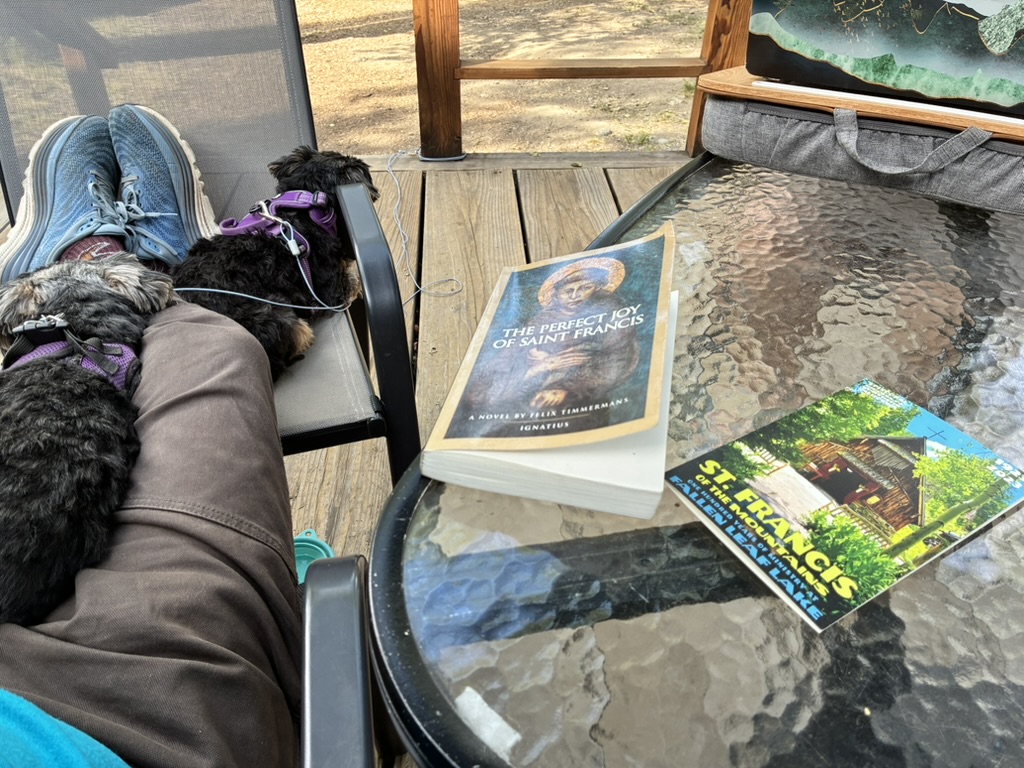
[3] During this week at Fallen Leaf Lake, I’m reading a historical novel of St. Francis by Flemish author Felix Timmermans titled The Perfect Joy of Saint Francis and he writes frequently of Francis spending time in the mountains, where he would listen to God: “He liked to be all alone in the silence of the mountains” (19); “He realized very clearly that for years the sweet sound of that Voice had been whispering in a corner of his heart” (25); “He wandered in the mountains and went to pray in the small churches and chapels of the region” (27 -28); “‘Dig deeper and deeper,’ said the youth with a smile. ‘Read a lot—here, read this little book of the Gospels. And then listen to the silence and [listen to the] suffering of men. Great sorrow is hidden beneath men’s laughter. Then you will certainly find the treasure” (29); “Francis was walking over the mountains…” (34); “Francis…fled to the hills” (37); “[Francis] stayed in the mountains” (38). Also, see pp. 42, 58 (“the solitude of the mountains”), 74. 96, 102, 119, 124, 142, 148, 156, 158, 162 – 163, 196, 200, 209, 216, 232, 238. Felix Timmermans, The Perfect Joy of Saint Francis: A Novel, translated by L. A. Aspeslagh (San Francisco, Ignatius Press, 1998). Originally published in Dutch in 1932 as De Harp van Sint Franciscus (The Harp of Saint Francis), followed by original English translation in 1952 (published by Farrar, Straus and Young in New York), with copyright renewed in 1980 by L. A. Aspeslagh.
[4] St. Paul sums up the Christian path to salvation in one sentence: “If you confess with your lips that Jesus is Lord and believe in your heart that God raised him from the dead, you will be saved” (Romans 10:9). Here, St. Paul reminds us of the ancient meaning of the phrase of “We believe” which we will say in a few moments with the Nicene Creed. When we say “we believe” we are, on one level, giving intellectual assent to certain doctrines, but on a deeper level, we are committing ourselves to listen with our hearts to these divine mysteries and listen to how these mysteries resonate with our hearts. The Latin words for “I believe” and “we believe” are credo and credimus, which share an etymological connection to the Greek word for heart: kardia.
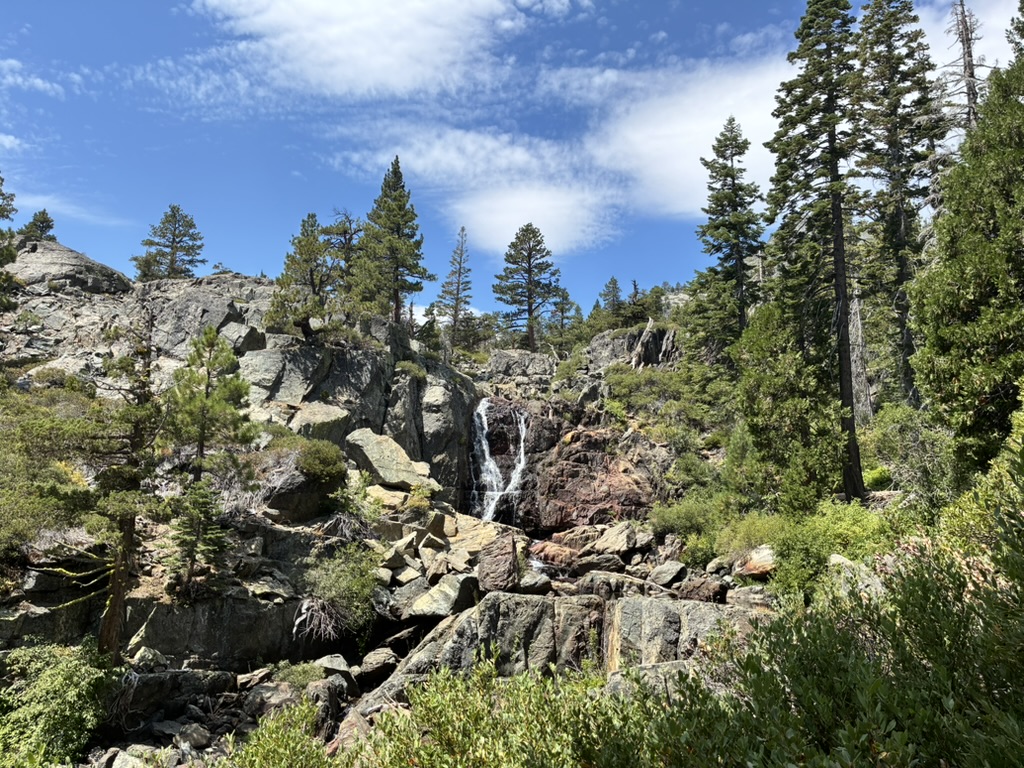
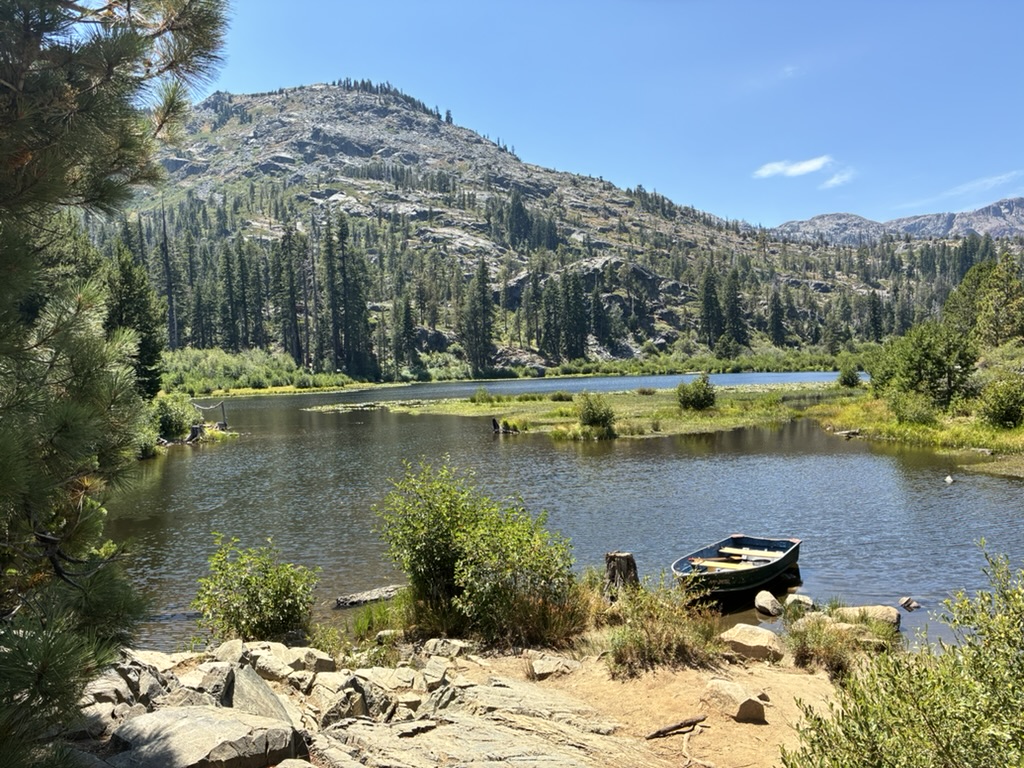
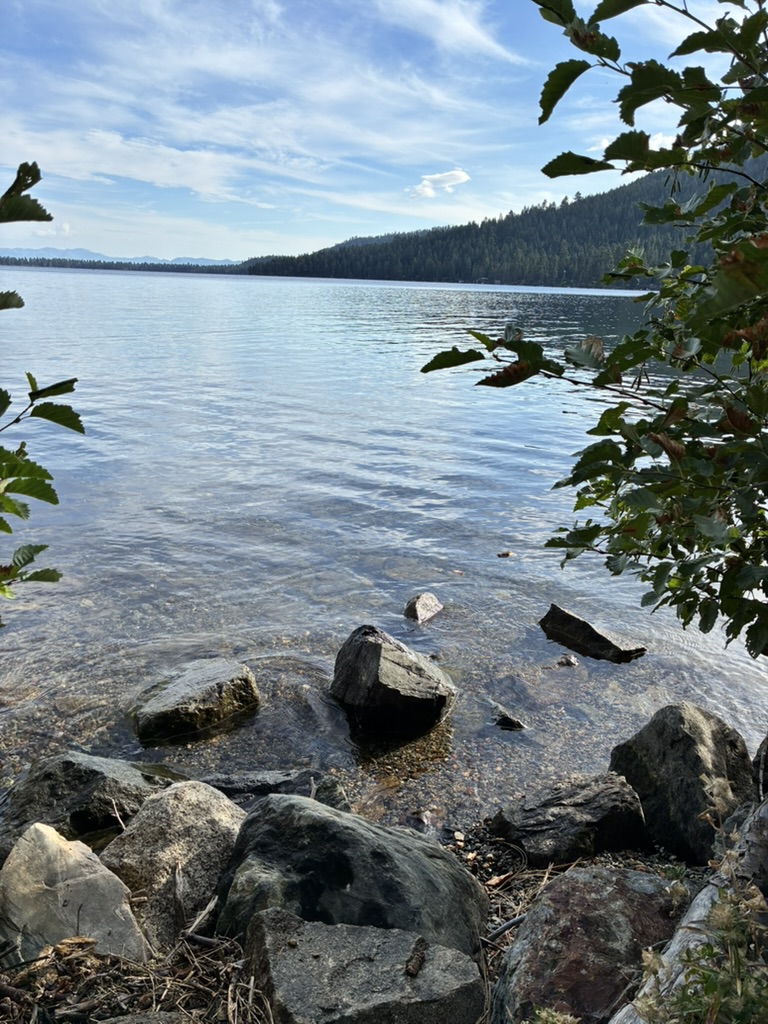
Oh, Fallen Leaf, where lies thy magic charm?
Thy power the mind to soothe, the heart to warm?
We come to thee from far away and near
By many paths and trails we seek thy cheer.
Is it the sparkling waters of thy Lake?
Thy ever-changing hues our souls awake.
Is it thy Mountain with its wind-swept crest
Whose heights we climb to win our spirit’s rest?
Is it thy Forests-Hemlock-Cedar-Fir
Tamarack and Willow-Pine and Juniper?
Is it thy myriad flowers – thy Goldenrod so gay
Gentian, Heather, Asters—al the stars of day?
Ah, Fallen Leaf, perhaps it is all these.
Yet something draws us more than flower or trees
Up here amid God’s wonders given in love
We find a heavenly peace like that above…
Twas to the mountain Jesus went to pray,
And on the mountain even to this day
We find Him still and lay our cares away
Whatever your religion, Friend, to thee
We turn: for all He’s given thee and me
Let us a Chapel build upon this spot
And his command fulfill “Forget Me Not”
Let’s build it at the crossroads—there!
Where all may go to meditate or pray;
Let’s give what’ever the cause demand-
That here His sanctuary may stand!