
Inspired by Bishop Rob Wright’s weekly practice of writing a 150-word reflection on the upcoming Sunday’s lectionary readings, I’m going to try to write a reflection on the readings each week in 250 words or less…
The Angel’s Time of Harvesting
Pentecost 8 – Year A – Proper 11 (Track 1) – July 19, 2026
Genesis 28:10-19a
Psalm 139: 1-11, 22-23
Romans 8:12-25
Matthew 13:24-30,36-43
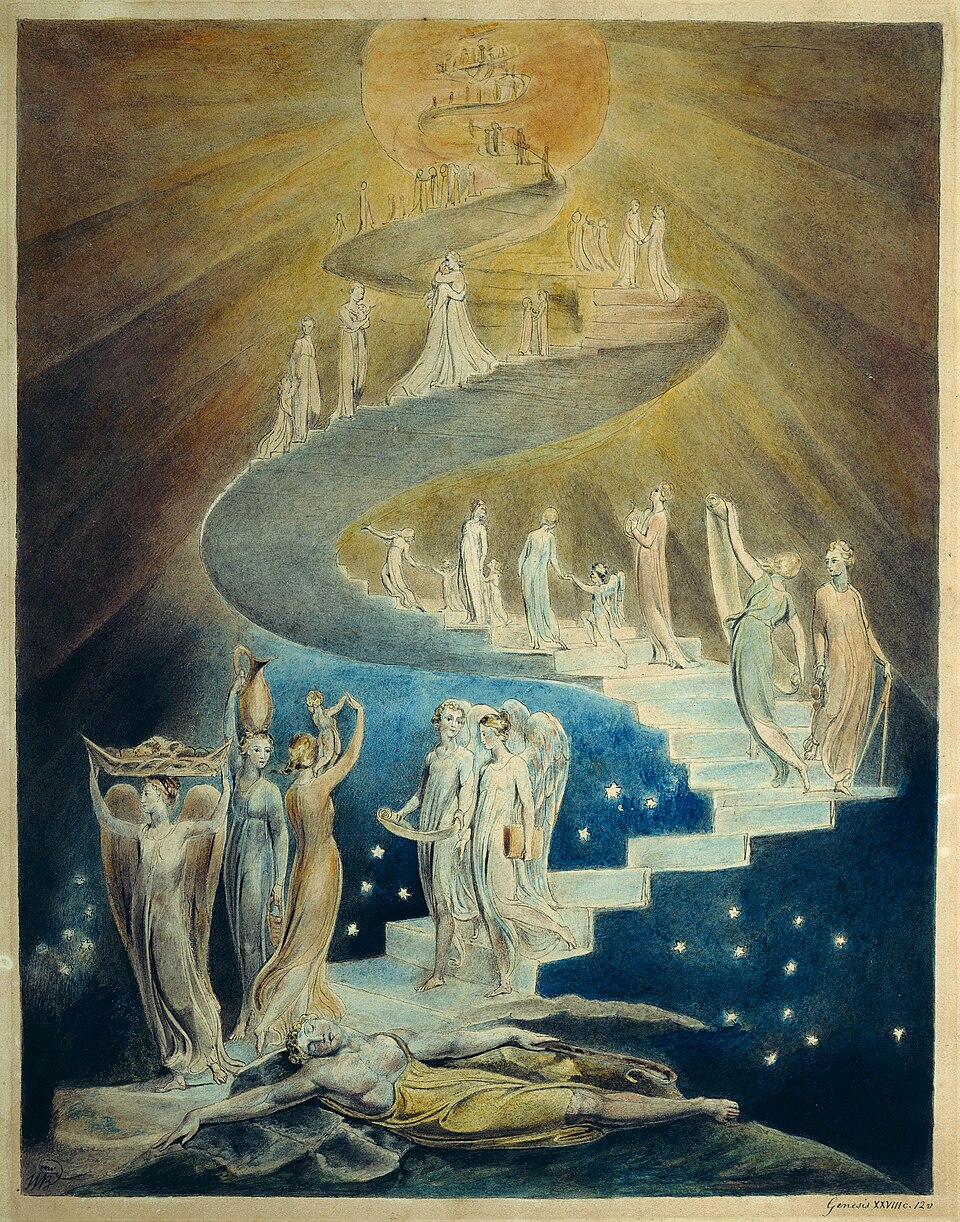
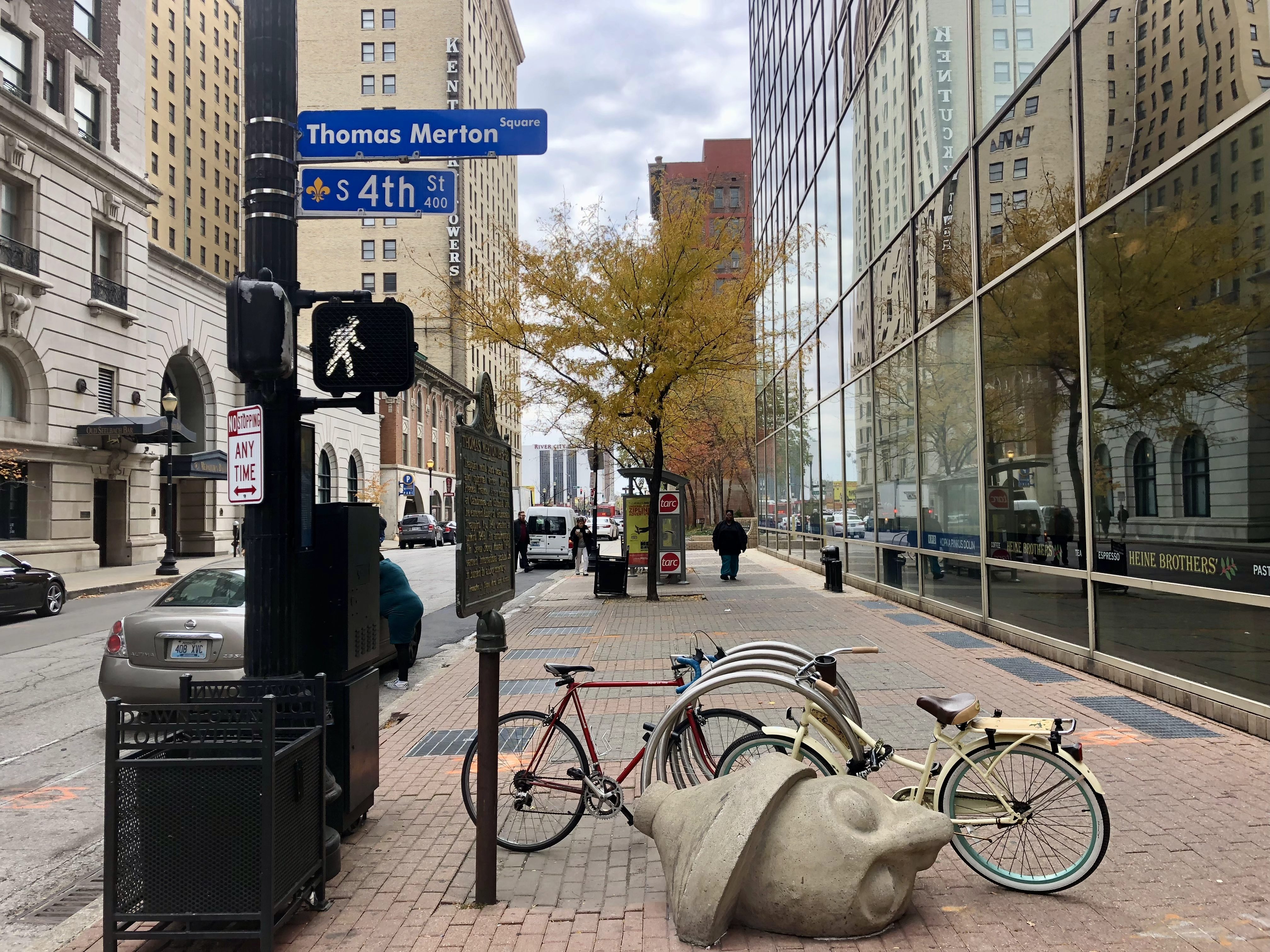
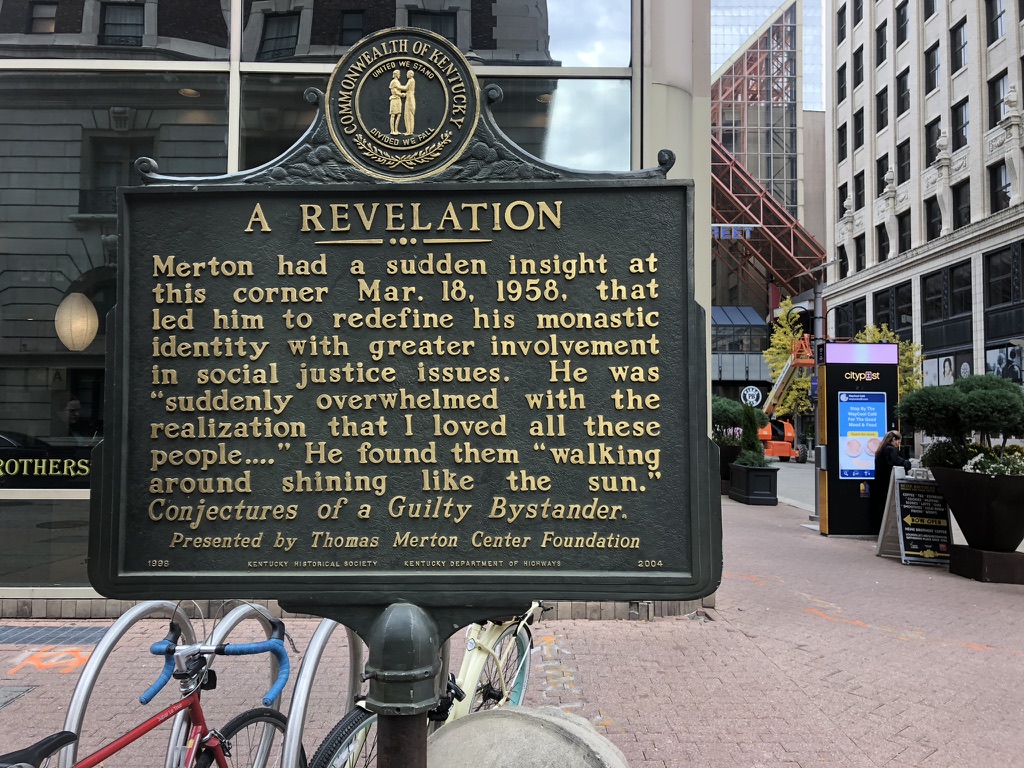
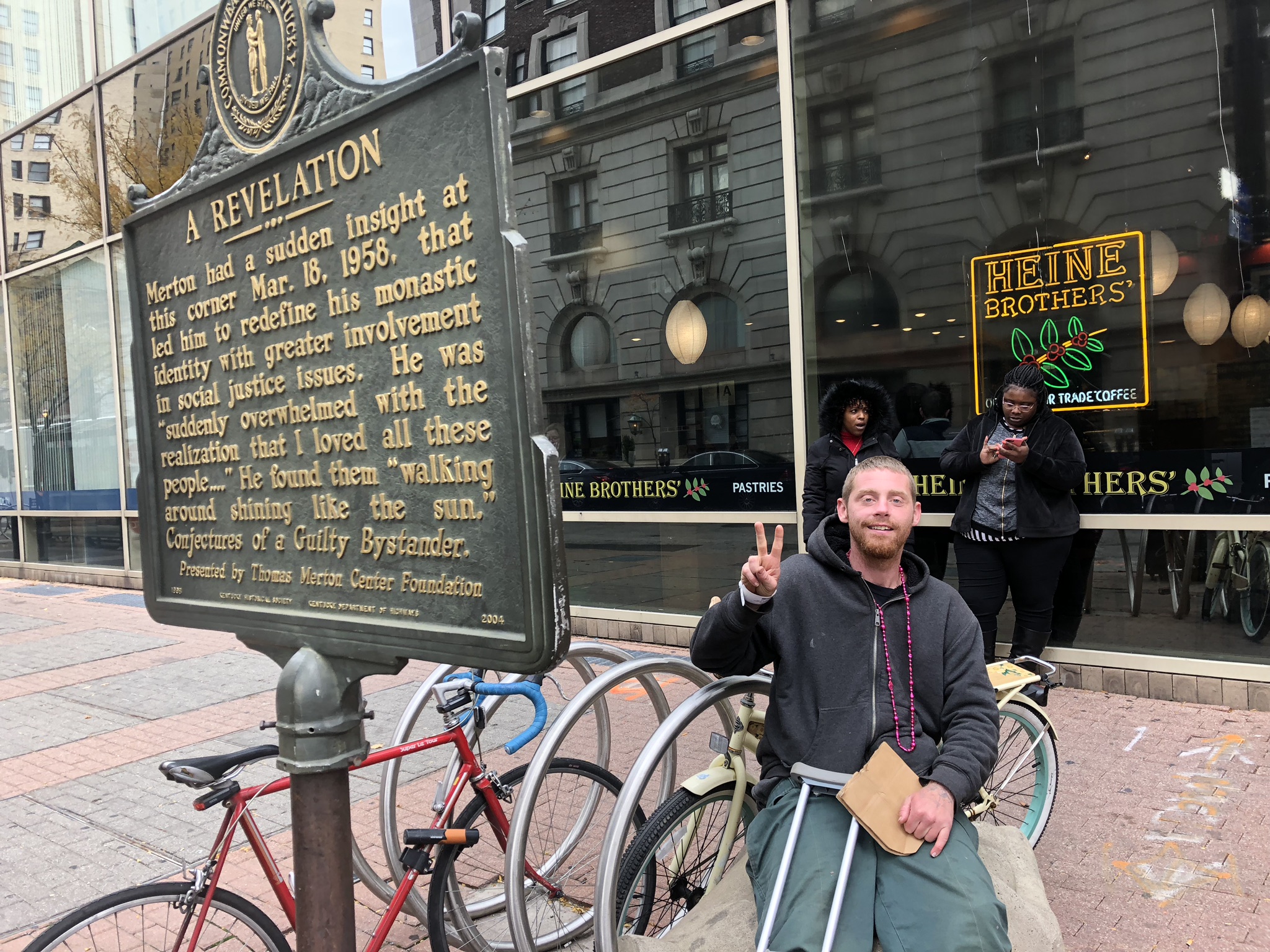
This Sunday’s Scriptures include phrases that Thomas Merton culled in describing one of his most formative mystical experiences. Just as Jacob awoke from a celestial dream to see himself standing at the very gate of heaven,[1] so too did Merton experience an awakening on the corner of Fourth and Walnut in Louisville KY that compelled him to exclaim, “The gate of heaven is everywhere.”[2] And in expounding on the parable of the wheat and tares, Jesus tells his disciples that the “righteous will shine like the sun” (Matthew 13:43). Similarly, Merton writes about the immense joy of being human – part of the race in which the divine became incarnate – and says, “There is no way of telling people that they are all walking around shining like the sun.”[3]
When it comes to opening our eyes to the gate of heaven all around us and the shimmering radiance of each person, Merton confesses, “I have no program for this seeing.” While the readings confirm that such seeing is beyond any commodifiable grasp (“such knowledge cannot be attained”), they nonetheless offer the indispensable disciplines of hope and patience: hope in the glory about to be revealed to and through us (Romans 8:18); and patience with the “weeds” growing alongside the “wheat” within our own hearts and within the human community. Like Jacob and Merton at the time of their visions, we also have much that needs purging, including our restless impulse to do the purging ourselves before the angel’s time of harvesting.
[1] Merton describes Jacob’s dream as “the great revelation of the intimacy of God with man and man with God,” suggesting the primitive ziggurat as well as the Incarnation. He then elaborates on the sacredness of “place”: “There are certain holy places where God manifests Himself…though God is present everywhere by His power, presence and essence, He is present in a different and special way where He contacts men through His angelic hierarchies… ‘places’ are therefore necessary for our special contact with and worship of God.” Thomas Merton, Notes on Genesis and Exodus: Novitiate Conferences on Scripture and Liturgy 2, edited by Patrick O’Connell (Eugene OR: Cascade, 2021), 90.
[2] Thomas Merton, Conjectures of a Guilty Bystander (New York: Image, 2009), 156.
[3] Thomas Merton, Conjectures of a Guilty Bystander (New York: Image, 2009), 155.

 DANIEL DeFOREST LONDON