
Readings for the Twenty Fifth Sunday after Pentecost (Proper 28 – Track 1 – Year A)
Judges 4:1-7
Psalm 123
1 Thessalonians 5:1-11
Matthew 25:14-30
This sermon was preached at Christ Episcopal Church in Eureka CA on November 15, 2026.
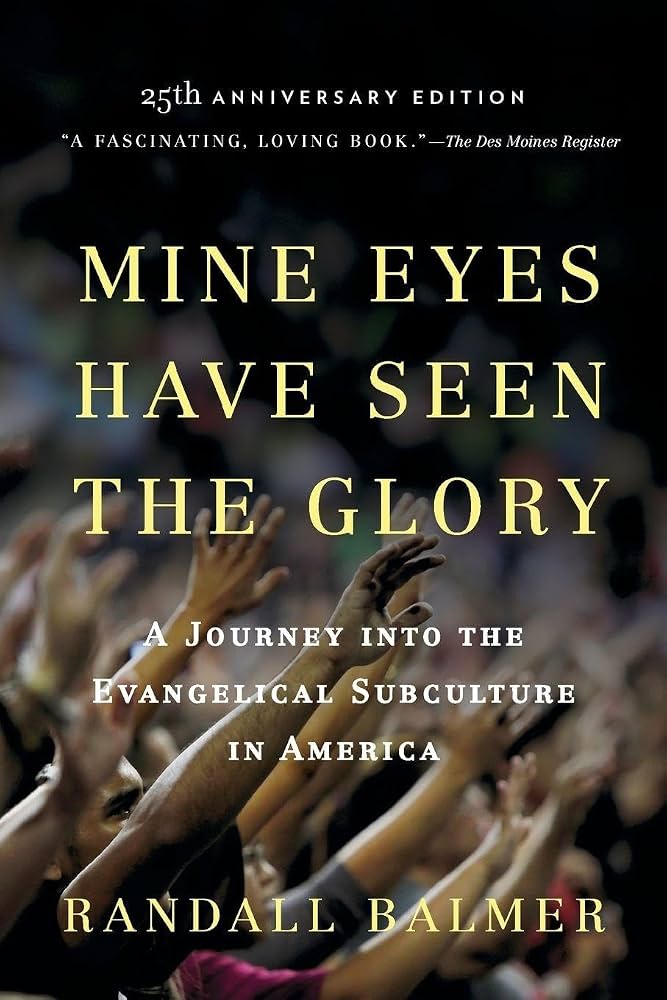
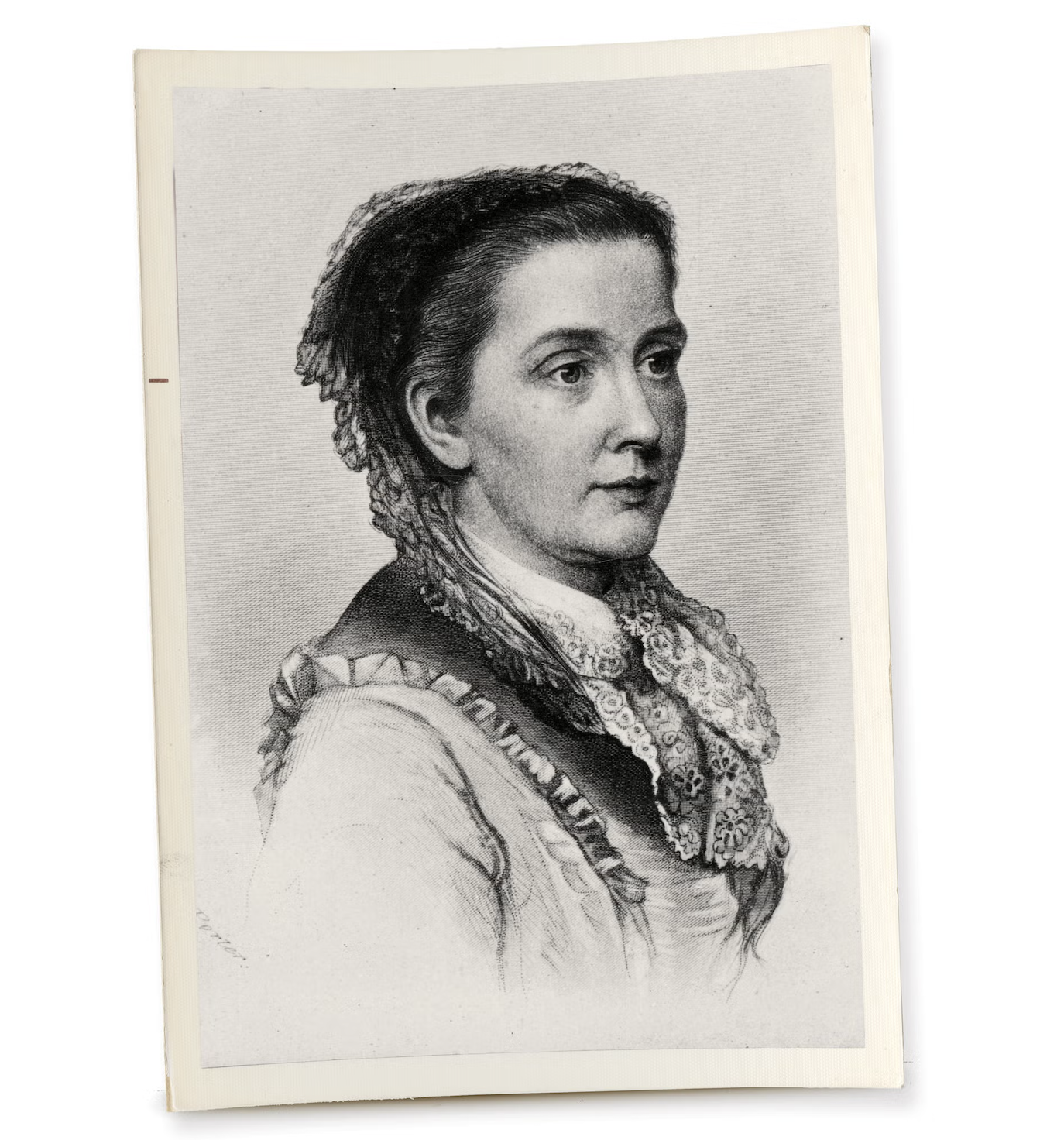
Due to the nationwide air travel ground stop yesterday, today’s special guest preacher, the Rev. Dr. Randall Balmer, is unable to join us and he sends his regrets, but we will continue Walking in the Way together (even if obstacles get in our way); and we will still be singing a beloved hymn that was inspired by one of Dr. Balmer’s books, Mine Eyes Have Seen the Glory, a book about his journey into the Evangelical Subculture of America. The song, of course, is called “The Battle Hymn of the Republic” and it was written by a female poet, abolitionist, activist and suffragist that I’d like to talk about today named Julia Ward Howe (1819 – 1910), who grew up Episcopalian in New York City in the 19th century, which meant that she grew up hearing, reading, marking, learning, and inwardly digesting the words of Scripture, as well as the words of our prayer book (including the Collect we just prayed today, which dates back to the original prayer book of 1549).
Julia Ward Howe was familiar with the story that we just heard of the prophetess Deborah who used to sit under the palm tree known as the “Palm of Deborah,” where she would judge cases for the Israelites and direct the successful campaigns of her military commander Barak in the land of Canaan. As a poet and musician, Julia Ward Howe was likely familiar with some of the camp-meeting songs based on Old Testament stories like the story of Deborah based in Canaan, including the camp-meeting song composed by William Steffe titled “Say, Brothers, Will You Meet Us, On Canaan’s Happy Shore?”
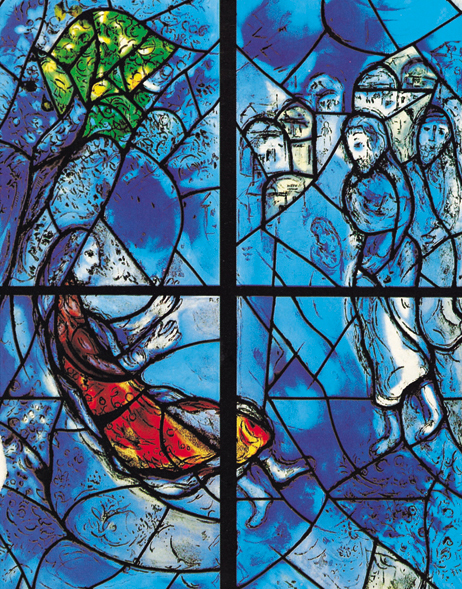
Julia Ward Howe was also familiar with our reading from 1 Thessalonians, which is the earliest Christian text we have, the earliest Epistle from St. Paul, who offers words of hope and encouragement to the Christians in Thessalonica who are wondering about the fate of those who now sleep in death. Paul says, “Do not grieve like those who have no hope…for God has destined us not for wrath but for salvation through Christ, who grants life even for those who have died.” So, while our mortal bodies waste away in the grave, our spiritual bodies live on. This was a foundational Christian truth that Julia Ward Howe heard expressed by soldiers of the Union army who put their own words to William Steffe’s tune, words about the infamous abolitionist John Brown who was executed in 1859 in Virginia for inciting a slave insurrection: “John Brown’s body lies a moldering in the grave, but his soul goes marching on.”
Julia Ward Howe heard Union soldiers sing these lyrics while she was visiting President Abraham Lincoln in Washington DC in mid-November 1861 with both her husband and her pastor, 165 years ago (almost exactly). Julia’s pastor James Freeman Clarke (Unitarian) turned to Julia and said, “You know, that song has a real catchy and rousing tune, but those lyrics could be improved. You should write some more poetic lyrics for that song.” So, Julia Ward Howe went to her room that night at Willard’s Hotel with the pastor’s suggestion and the song tune echoing in her head.

Julia was certainly familiar with today’s Parable of the Talents, a parable from which we derive our current use of the term “talent” as a special skill or innate gift. (The term was originally a measurement of weight.) Julia’s father was a successful Wall Street banker who might have taught her to interpret the parable as promoting a kind of venture capitalism, but her pastor would have taught her to see the talents as representing all the gifts God had given her to share generously with the church and with the wider world. Julia used her time, talent, and treasure to support the abolitionist movement, women’s right to vote, and safer conditions for Union soldiers. And in mid-November 1861, Julia used her God-given talents as a poet to write some of the most memorable lyrics in our national hymnody. She said, “I awoke in the grey of the morning, and as I lay waiting for the day, long lines of the desired poem began to entwine themselves in my mind, and I said to myself, I must get up and write these verses, lest I fall asleep and forget them! So, I sprang out of bed and in the dimness found an old stump of a pen, which I remember using the day before. I scrawled the verses almost without looking at the paper.” She went back to sleep feeling like something important had happened.
The poem was later published in The Atlantic Monthly, which bought it from her for $5 and gave it the title “The Battle Hymn of the Republic.” Soon her lyrics were shared among the Union army and the North, who adopted it as their great anti-slavery rallying cry and their hymn of true American patriotism.
The original poem was composed of six verses, including one that begins, “I have read a fiery gospel writ in burnished rows of steel: ‘As ye deal with my contemner, so with you my grace shall deal.’” A “contemner” here is someone who holds God in contempt; and, for Julia, that meant anyone who supported slavery. So, on one level, she is saying that God’s grace will be given to all those who confront and “deal with” slaveholders. On another level, I hear her echoing the verse from today’s Psalm: “Have mercy upon us, O LORD, have mercy, for we have had more than enough of contempt” (Psalm 123:4). And I hear her reminding us that if we want to experience God’s grace and joy and love, then we are to freely share that love with others, even with those who might hold us in contempt.
Randall Balmer suggests that the talents in the parable, which are “dispensed out of the master’s storehouses in copious measure,” represent that “overriding characteristic attributed to Jesus” and the “badge of association with the man from Galilee”: that is, unconditional love. “And,” Balmer says, “when the recipient responds in kind – by responding in love toward others – that initial investment multiplies. But if the recipient of the gift of love does not reciprocate with a demonstration of love toward others [like the third servant who buries the talent], the initial gift becomes stagnant and yields no return.” As ye deal with my contemner, so with you my grace shall deal. “Elsewhere, Jesus compares the kingdom of heaven to yeast; it expands to overflowing. And so it is with the exercise and the demonstration of love, which finds its fullest expression in the community of faith.” As we walk in the way of love together, may we give generously of our time, talent, and treasure to this community of faith where, we hope, Christ’s love can find full expression and where the truth of God’s grace, joy, and love is, in the words of Julia Ward Howe, always marching on. Glory, Glory, Hallelujah. Amen.


