
Readings for the Easter Vigil (Year B)
Exodus 14:10-31; 15:20-21 [Israel’s deliverance at the Red Sea]
Isaiah 55:1-11 [Salvation offered freely to all]
Proverbs 8:1-8; 19-21; 9:4b-6 [Learn wisdom and live]
Romans 6:3-11
Psalm 114
Mark 16:1-8
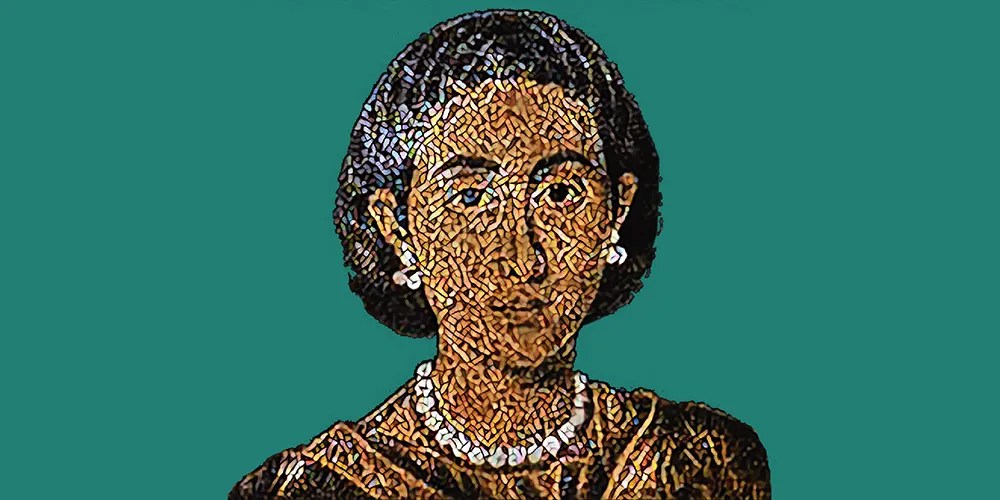
Our readings tonight remind us of the great story in which we are proud to find ourselves, a story that begins with Lady Wisdom (Sophia), who “danced in the morning when the world began.” A story that takes shape as Miriam takes up the tambourine to dance and sing after the Israelites cross the Red Sea as a people liberated. A story that unfolds as Ezekiel speaks to the dry bones that then rattle and hum and come to life and stand on their own two feet; and as the prophet Zephaniah urges Daughter Zion to sing aloud and rejoice with all her heart because God will renew her in his love. That same Lady Wisdom from the Book of Proverbs then dances off from heaven and onto the earth, where in Bethlehem, she has her birth. The Sophia Logos becomes incarnate in Jesus Christ whose life and death and victory over death inspire the rituals that we observe this very night. The rituals we observe and the prayers we pray on this night are rooted in a three-thousand-year-old tradition, connecting us to God’s people throughout history and God’s people across the globe. We know that the rituals that we observe on this most Holy Week were practiced by Christians in the Holy Land in the fourth century thanks to yet another Lady of Wisdom who ventured on a transformative journey. The Celtic nun named Egeria from Spain, who lived in the fourth century AD, wrote about her pilgrimage to Mount Sinai, Constantinople, and the Holy Land, where she celebrated Palm Sunday, Maundy Thursday, Good Friday, and the Easter Vigil. She told her circle of sisters back home about the intense and demanding process of catechesis that baptismal candidates would undergo under the tutelage of their bishop. It was important for all the baptized to know well the story into which they were being grafted. Tonight, we welcome another woman into this story, a woman named Linnea who also loves to sing and who has been on her own spiritual journey that led her to encounter Christ during Evensong at the Episcopal Church of the Incarnation in Santa Rosa, where they are also observing the Easter Vigil. Tonight, she enters formally into the story of the death and resurrection of Christ through the sacrament of Holy Baptism. And tonight, we will all renew our personal and collective commitment to this ancient and mysterious story of salvation and liberation; this story of light that vanquishes darkness, love that confounds hate, and life that defeats death.
After the Baptism, I will descend into the catacombs of the church and retrieve the chest we buried on Shrove Sunday, the last Sunday before Lent. When I return, I will invite us to launch our first Eucharist of Easter with the Paschal Greeting in English, followed by the same Paschal Greeting in Greek and then Latin, thus connecting us to our Christian brothers and sisters throughout history and across the globe, the Christians of the East and West. These are the greetings that Egeria would have heard on her pilgrimage in Jerusalem. Since we will begin in darkness, I will start with the English by saying, “Christ is risen!” and you respond with “The Lord is risen indeed!” Then we will proclaim the same message in Greek as I say, “Christos anesti” and you respond with “Alithos anesti.” Finally, in Latin, I will say, “Christus surréxit!” and you will say, “Surréxit vere!”

 DANIEL DeFOREST LONDON