
This sermon, which is the fifth in a sermon series on the Book of Exodus, was preached at Christ Episcopal Church Eureka on Saturday September 19, 2020.
Readings for the Sixteenth Sunday after Pentecost (Proper 20 – Year A)
Exodus 16:2-15
Psalm 105:1-6, 37-45
Philippians 1:21-30
Matthew 20:1-16
It is so good to be together. Behold how good and pleasant it is when brothers and sisters gather together in unity! It has indeed been a very long and challenging six months; and the challenges and crises and tragedies seem to keep piling up each day, don’t they?
I’ve been holding you all in my prayers and I’ve missed seeing you all in the flesh. It’s been good to stay connected through phone calls and email and zoom and online worship, but there’s nothing quite like this, even though this is still not ideal. But I embrace you and feel embraced by you in this way.
Throughout this challenging season, I’ve been inviting us all to bring our concerns and complaints to God in prayer and lament, as Bishop N. T. Wright suggests in his helpful book God and the Pandemic, which came out around the same time as another book that I recommend (shamelessly), written by the rector of Christ Episcopal Church in Eureka California. (Some of you might know him). And I mention this book today because the epigraph of the concluding chapter is a verse from today’s reading from Exodus: “Draw near to God for he has heard your complaining.” Draw near to God for he has heard your complaining.
And in the chapter, I comment on today’s reading and say, “During the [time of their wandering through the wilderness], the Israelites frequently grumbled, complained, and protested. They brought their questions of suffering and compulsions to blame to Moses, who told them that their questions were really intended for God. Moses asked: “What are we that you complain against us? Your complaining is not against us but against the LORD” (Exodus 16:7-8) [The LORD in all caps. You remember that Name of God: Yod, Heh, Waw, Heh]. Moses responded to their compulsion to blame by refusing to take the blame and make himself their scapegoat. [Moses would take responsibility, but he would not be a scapegoat]. He told them to direct their complaints and compulsion to blame to God, saying, ‘Draw near to God for he has heard [and will continue to hear] your complaining” (Exodus 16:8,9).
The Greek word for “complaining” is the word gongoodzo which is the same word that Jesus uses in today’s parable when describing the disgruntled day laborers as they grumble (gongoodzo) against the landowner for giving the same amount of money to those who worked significantly less hours. The landowner, who can be understood as God in the parable, responds to their complaints by giving them all deeper insight into his radical and scandalous generosity. Jesus also references this passage from Exodus in the Gospel of John in the bread of life discourse when he says, “Do not complain [gongoodzo] among yourselves,” but draw near to the Father. So “we can see Jesus saying to the Jews something similar to what Moses told the Israelites: stop directing your compulsion to blame toward each other, direct it toward God, who can respond with [forgiveness, wisdom,] love and nourishment,” like manna in the wilderness (London, 114).
Throughout our sermon series on Exodus, we have been exploring the names of God as revealed in the Book of Names (Shemoth), the original name for Exodus. We first learned that God’s Name is salvation (Yeshua). Then we learned that God’s Name is “I AM WHO I AM” (Eyeh Asher Eyeh) and I am a God who listens to the complaints of those who suffer. Then we learned that God’s Name is Mighty Victim who gives and forgives in order to save us from the cycle of violence. And last Sunday, we learned that God’s Name is Yod, Heh, Waw, Heh, the sound of our very breath. Yahweh, which we can appreciate now, even behind our masks, as we breathe in mostly smoke-free air.
Today the Exodus reading invites us to consider one of our names as children of God. As we lament and pray with sighs too deep for words and wrestle with God and even grumble, we remember that our name is Israel, which means “One who wrestles with God.” We remember that God can take our anger and frustration and fear and complaints and respond with a blessing like he did for Jacob (who earned the name Israel after wrestling with God]; and God can take our grumbling and our kvetching and respond with nourishment as he did for the Israelites in the wilderness.

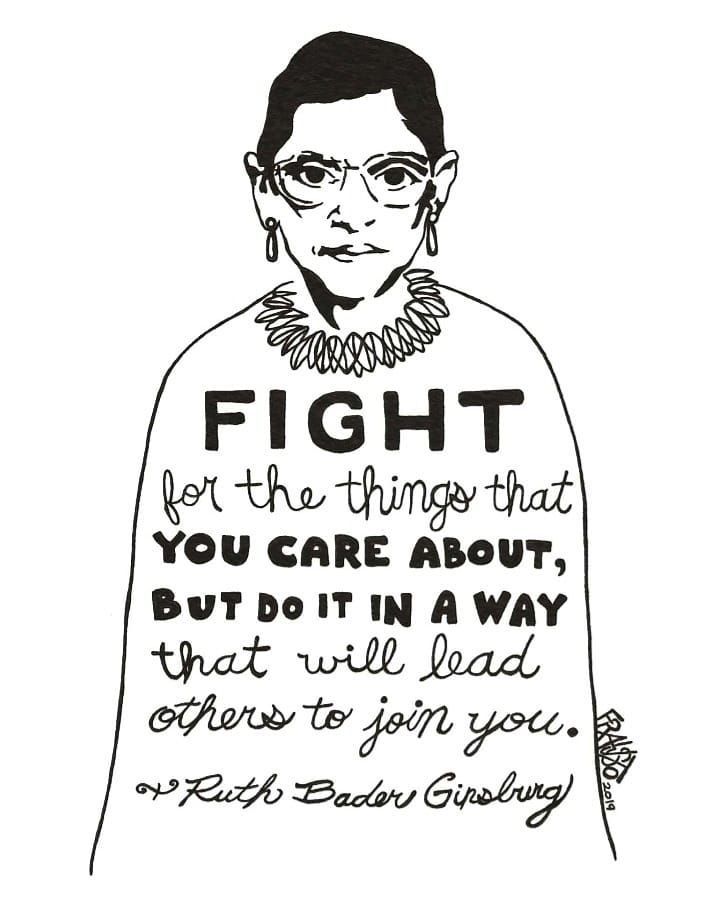
There is so much temptation in our country right now to direct our anger and even our hatred towards each other. Jesus and Moses call us today to stop spreading vitriol amongst ourselves, but to bring all of our inner turmoil to God in prayer and then draw near to God for he has heard and will continue to hear our complaining; and God will respond with love and nourishment.” And God’s loving response to us reminds us that, although we may disagree in many ways, we all agree when it comes to our love for God and our love for each other and our care for those in need. We can all agree to work together in fulfilling our church’s mission and we can work in a way that leads others to join us, as the late Ruth Bader Ginsburg urged.
So let us work and rest together in that divine love that unites us because there is no stronger bond than that and that is how we can, in the words of St. Paul, “stand firm in one spirit and strive side by side with one mind for the faith of the Gospel.” Amen.

 DANIEL DeFOREST LONDON