
Readings for the Fourth Sunday in Lent – Laetare Sunday (Year A)
This sermon was preached at St. James Episcopal Church in Florence, Italy on Sunday March 15, 2026.
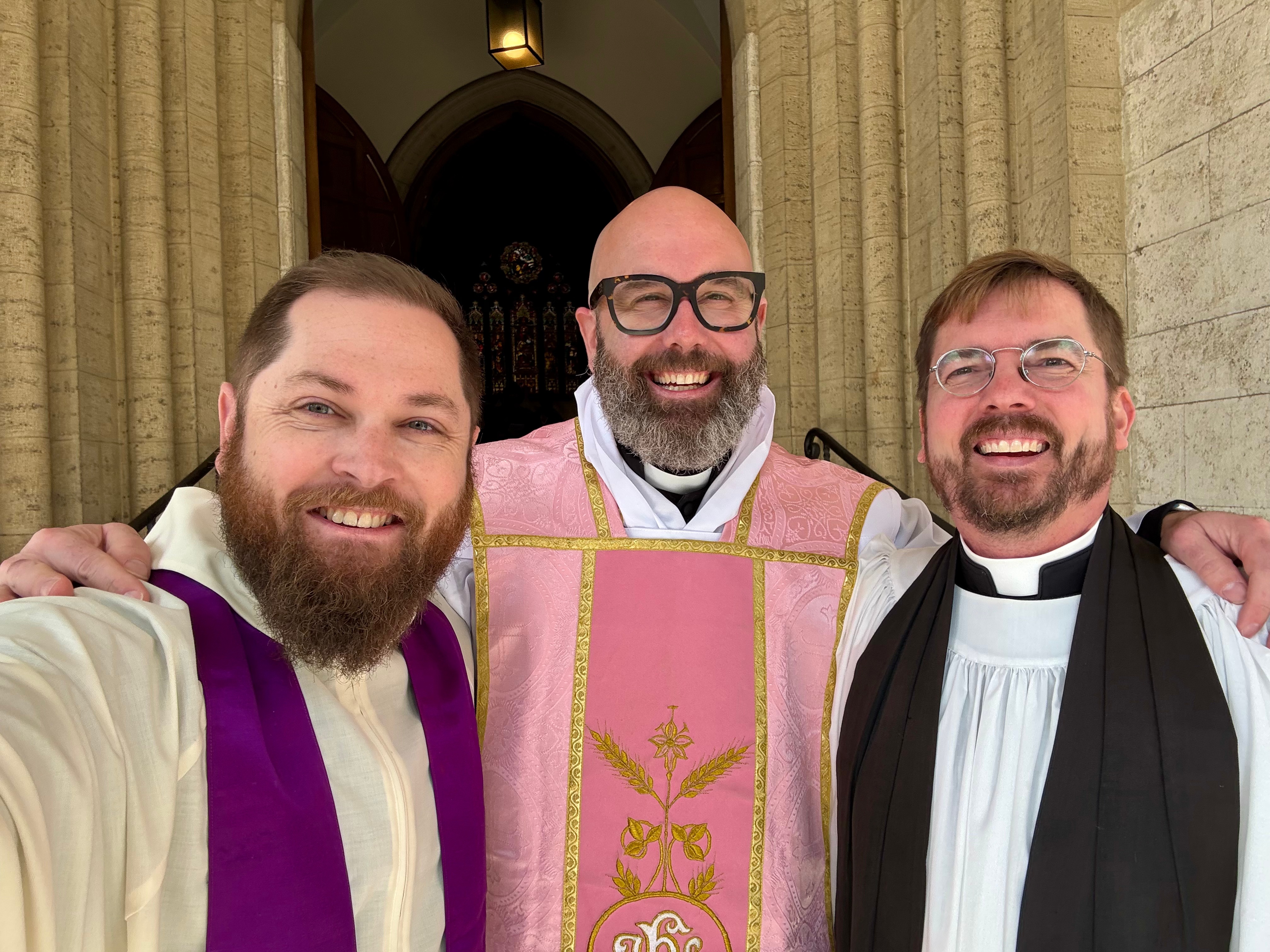
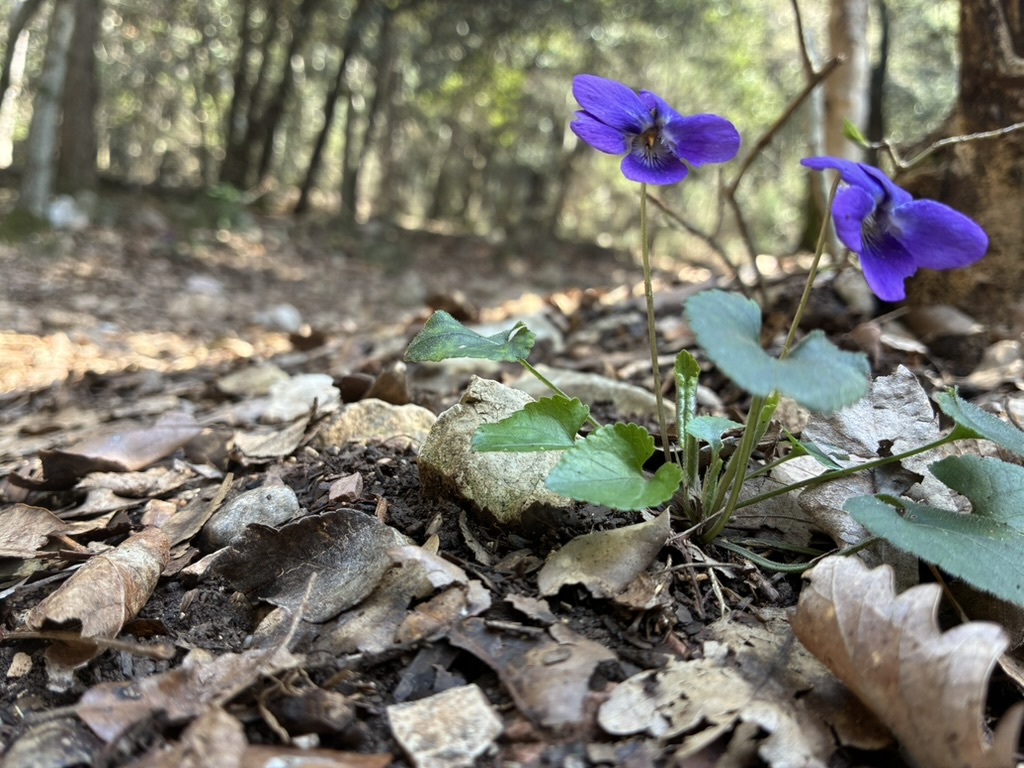
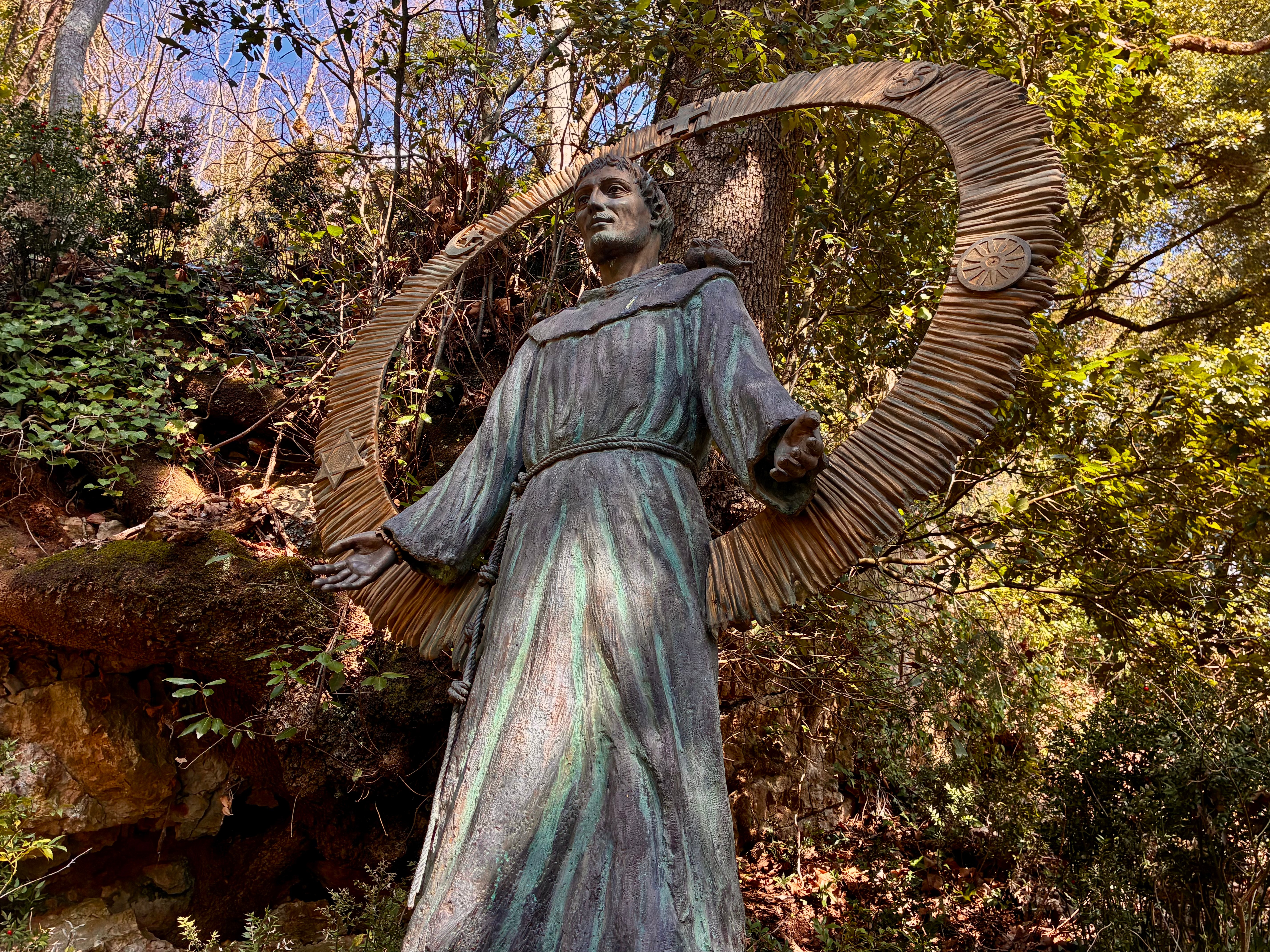
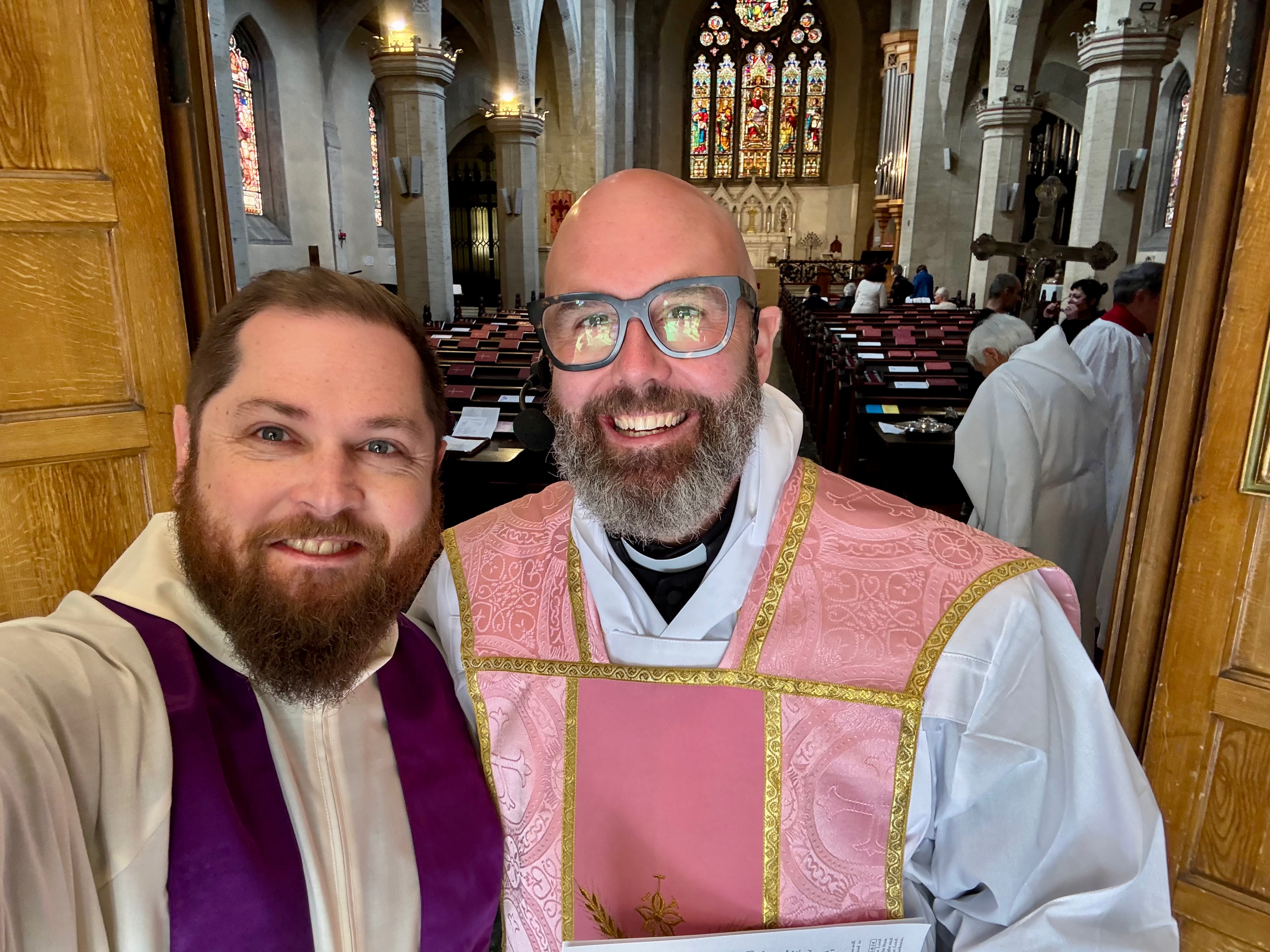
It’s a joy and honor for me to be worshipping with you and preaching here at St. James in Florence among fellow Episcopalians! I’m grateful to Father Richard for this privilege and opportunity. I serve as the rector of Christ Episcopal Church in Eureka CA, among the coastal redwood trees about a five-hour drive north of San Francisco, a city named after that beloved Italian saint. More recently, I am coming from the hometown of that saint: Assisi, where I was able to visit the remains of St. Francis himself and explore his old stomping grounds, including the Bosco di San Francesco and the Eremo delle Carceri (the Hermitage of the Grottos) on Mount Subasio. While hiking some of the forest and mountain trails of Assisi, I felt the spirit of St. Francis more than in the crowded streets and I engaged in some of the practices I learned as a Forest Therapy Guide. In Forest Therapy, participants are invited to engage mindfully with their sense of vision, to look and see all the life that is moving around us. Last Sunday, Fr. Richard said, “we need only open our eyes and give the room a good look around.” In Forest Therapy, we open our eyes and give the forest a good look around; and sometimes this involves picking up a handful of dirt or soil or even mud and smelling it and maybe even tasting it and then spending time observing all the tiniest details within it. This practice of deeper seeing also involves what is called “imaginal vision,” in which an informed imagination colors one’s experience. So, when observing a handful of soil, one can see with imaginal vision the microscopic life and activity and entire ecosystem therein, the bacteria, fungi, protozoa, nematodes, earthworms, tardigrades, all those tiny creatures that vivify the world through their breeding and dying.[1] This Forest Therapy practice echoes an invitation that I see in today’s Gospel: to move from merely looking to a deeper kind of seeing. Another name for a spiritually enlightened person or guru is a seer, as opposed to a looker. The Gospel of John, which was written explicitly for our enlightenment, [2] invites us all to become seers.
In each of the Gospel readings from John this Lent, there are explicit references to the five senses. We were invited to listen to Brother Wind with Nicodemus and then to taste Sister Water with the Samaritan Woman at the Well; and today we are invited to see Christ’s healing powers at work through Sister Earth with the man born blind. So much of spiritual enlightenment is about how we see the world around us, how we see ourselves, how we learn to see as God sees. In our reading from First Samuel, which includes several “lookers” (in both senses of that word), we learn that “the LORD does not see as mortals see; they look on the outward appearance, but the LORD sees the heart” (1 Samuel 16:7). One important way that we can cultivate this seeing of the heart is by using a compassionate imaginal vision. When we see each other, we can imagine with compassion the unique stories in which we all find ourselves, the hard battles we might each be fighting, the painful wounds as well as the hope-filled joys. There’s a helpful quote attributed to Plato: “Be compassionate, because everyone you meet is fighting a hard battle.” We don’t need to know all the details of one’s personal battles to be compassionate and see others through the lens of compassionate imaginal vision. This is how we can learn to see beyond just looking.[3]
In today’s Gospel, Jesus helps the man born blind see by giving him an experience of being seen. Throughout the chapter, the man born blind is mostly being looked at by others as an object, an object for theological speculation (“Who sinned this man or his parents?”), a tool for investigating and adjudicating and condemning Jesus, and as an example of exclusion from the synagogue.[4] Even the man’s parents seem to treat him as an object. Jesus is the only one who sees the man born blind as a subject, as a human being with agency.
Not only does Jesus heal the man born blind, but he also humanizes him. Jesus uses his imaginal vision when he sees the dirt and soil on the ground beneath him. Jesus doesn’t just look at the soil, he sees it and he sees the healing and life-giving powers therein. Of course, Jesus knew the story of how God made humanity out of dirt. The name of the first human “Adam” comes from the Hebrew word “Adamah” which means dirt, the clay of the earth. We are God-breathed dust; we are animated dirt. By infusing his life-giving breath and saliva into the dirt, Jesus was not only revealing his divine identity as Creator,[5] he was also helping everyone else to see that this man was a human being made from the humus of the earth, a subject with a story and not just an object for debate. After this encounter with Jesus, the man born blind takes center stage and ends up having more speaking roles than Jesus himself, who is off stage for most of this chapter. When Jesus and the man born blind reconnect at the end of the Gospel, we learn that the man has not only been given the power to look with his healed eyes, but also to see, to see and worship Christ as the Son of Man, to see in ways that reveal and expose the spiritual blindness of others.
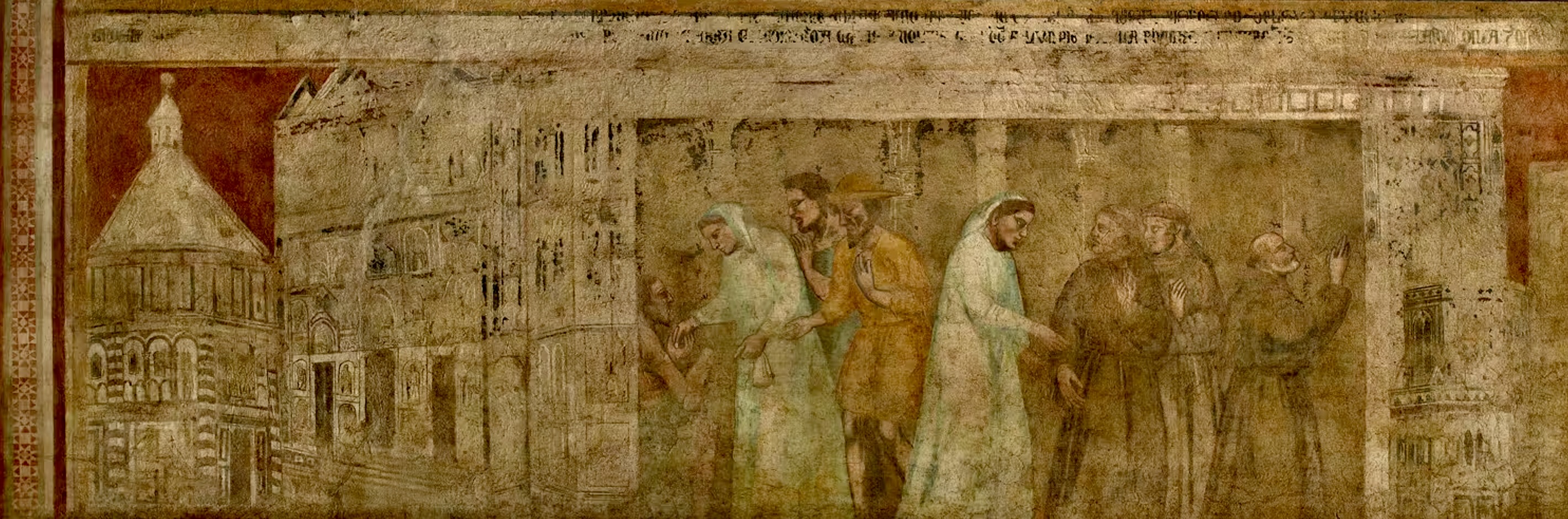
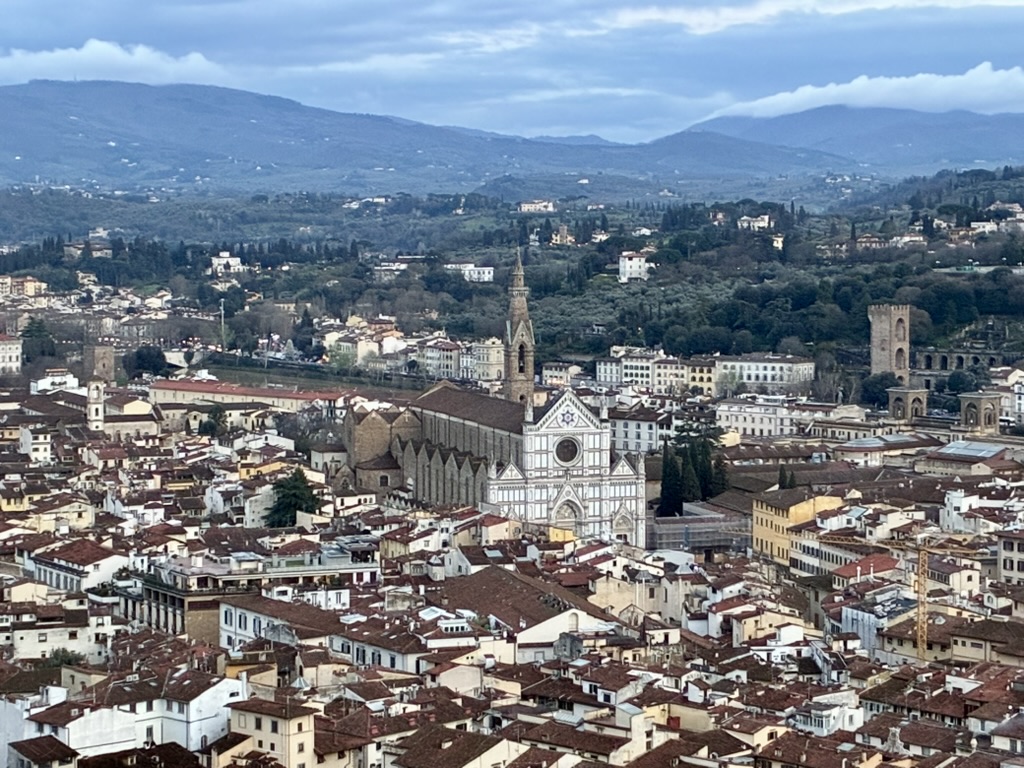
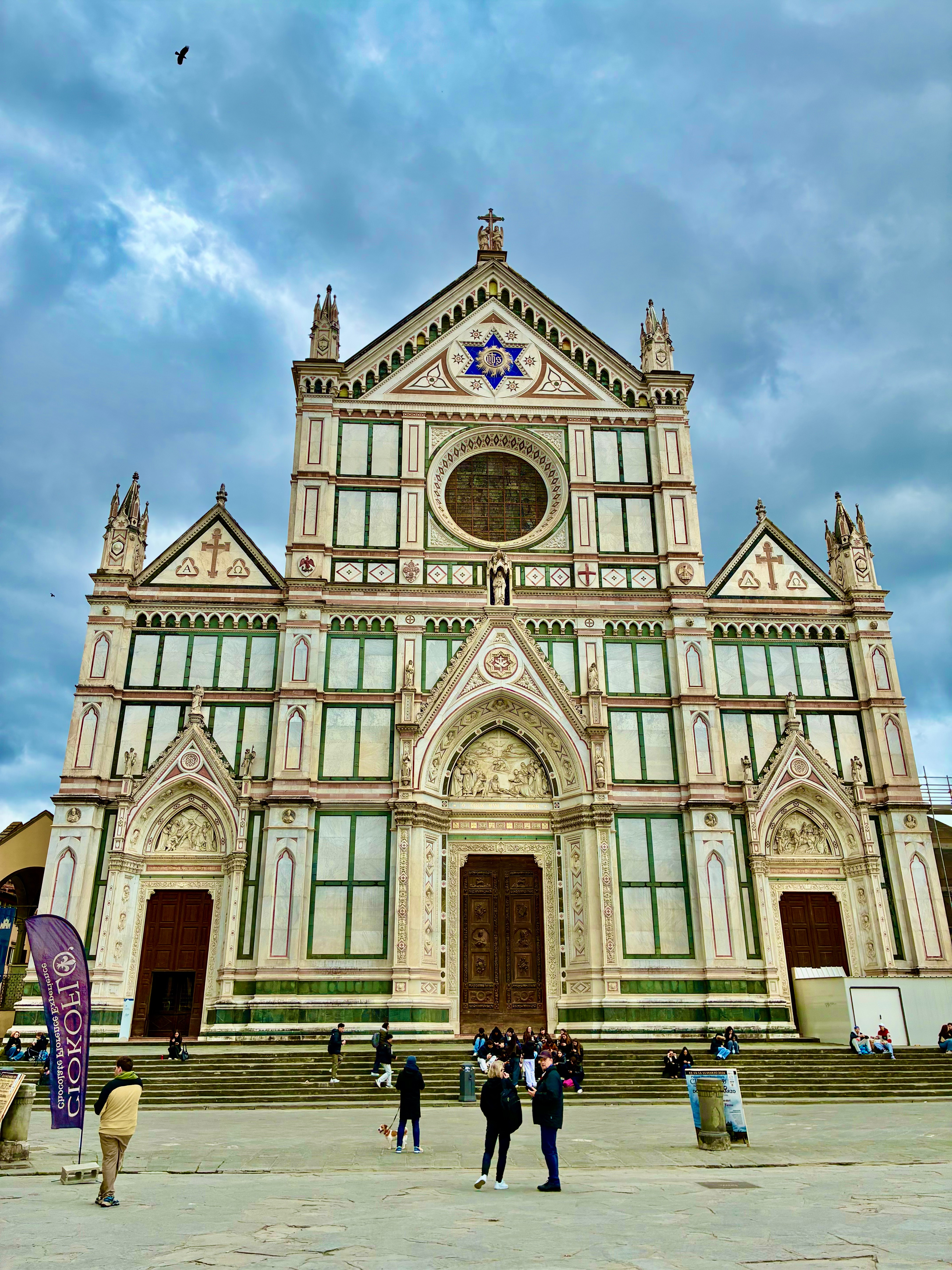
Since I felt especially honored to see the prayer caves of St. Francis’s earliest companions, I’d like to conclude with a brief story from The Legend of the Three Companions that illustrates this movement from merely looking to deeper seeing.[6] At around the year 1209, two of the first-generation friars were seeking hospitality one day in the city of Florence. Covered in dirt and earth and mud, they found a warm portico and asked the owners of the house if they might be permitted to sleep there for the night to keep warm. While the woman of the house began to see them as fellow human beings in need and was therefore about to get them blankets, the husband could only look at them as mere thieves and vagabonds, covered in dung. He convinced his wife that they were going to steal their firewood and thus refused to let her lend them blankets. So, the friars slept in the cold, “warmed only by the glow of divine love, and covered only with the blankets of Lady Poverty.” The next day, the woman of the house went to church for Matins and noticed the friars kneeling devoutly in prayer. She thought, “If these men had been vagabonds and scoundrels as my husband thought, they would not be praying with such reverence.” Then, she began to see them as sincere followers of Christ and learned that they had previously sold all their worldly goods and given all to the poor out of love for God. The text says, “When the woman saw the brothers and how they refused to receive money from others, she went up to them and warmly invited them into her home as guests.” She then persuaded her husband to move from looking at the men as thieves to seeing them as devout followers of Christ. And then this woman consequently convinced others in Florence about the spiritual authenticity and depth of these men dressed in dirty brown robes so that the people of Florence quickly became known for their hospitality to the friars and for their ability to move from merely looking at others with the eyes of condemnation to seeing others with the eyes of compassion. It is no surprise that Florence now boasts the largest Franciscan church in the world, the Basilica of Santa Croce, where this story of the first Franciscans visit to the city is portrayed in a fresco, reminding all Florentines and pilgrims like me to continue to cultivate this kind of seeing.
May we continue to open our eyes and see all those around us with the healing and humanizing compassion of our Lord Jesus Christ. Amen.
[1] “There is an entire ecosystem in a handful of soil: bacteria, fungi, protozoa, nematodes, earthworms. Through their breeding and dying such creatures vivify the world.” Fred Bahnson, Soil and Sacrament: A Spiritual Memoir of Food and Faith (New York: Simon & Schuster, 2013), 2 -3, 13, as cited in Diana Butler Bass, Grounded, 50.
[2] “The true light, which enlightens everyone, was coming into the world.” John 1:9
[3] As I’ve been moving through the bustling piazzas of Florence the last couple days, I’ve been trying to see everyone passing by with this compassionate imaginal vision.
[4] The disciples’ question to Jesus about the man born blind reminds me of a scene from the film Patch Adams (1998) in which an instructor and medical students treat a diabetes patient in the hospital as a mere object of study and then frighten the patient by discussing the worst-case scenario. The medical students ask various questions about her condition and then Patch Adams confounds everyone by asking, “What’s her name?” thus humanizing the patient. https://www.youtube.com/watch?v=itixiJmsLsM
[5] John Chrysostom said that Jesus used clay for the healing “to teach he himself was the Creator in the beginning of the world.” Homiliae in Joannem, 56.2, Goggin, 89, 91, as cited in Miriam DeCock, Interpreting the Gospel of John in Antioch and Alexandria, 146.
[6] The three companions were Brother Leo, Brother Angelo, and Brother Rufino. Historian Augustine Thompson considers The Legend of the Three Companions “probably the best source for Francis’s early life.” Augustine Thompson, O.P., Francis of Assisi: A New Biography (Ithaca NY: Cornell University Press, 2012), 167.

 DANIEL DeFOREST LONDON