
This article was published in the Times-Standard on Saturday February 7, 2026 as “A Question to Propel Us Toward True Christian Unity” By the Rev. Daniel DeForest London, Ph.D.
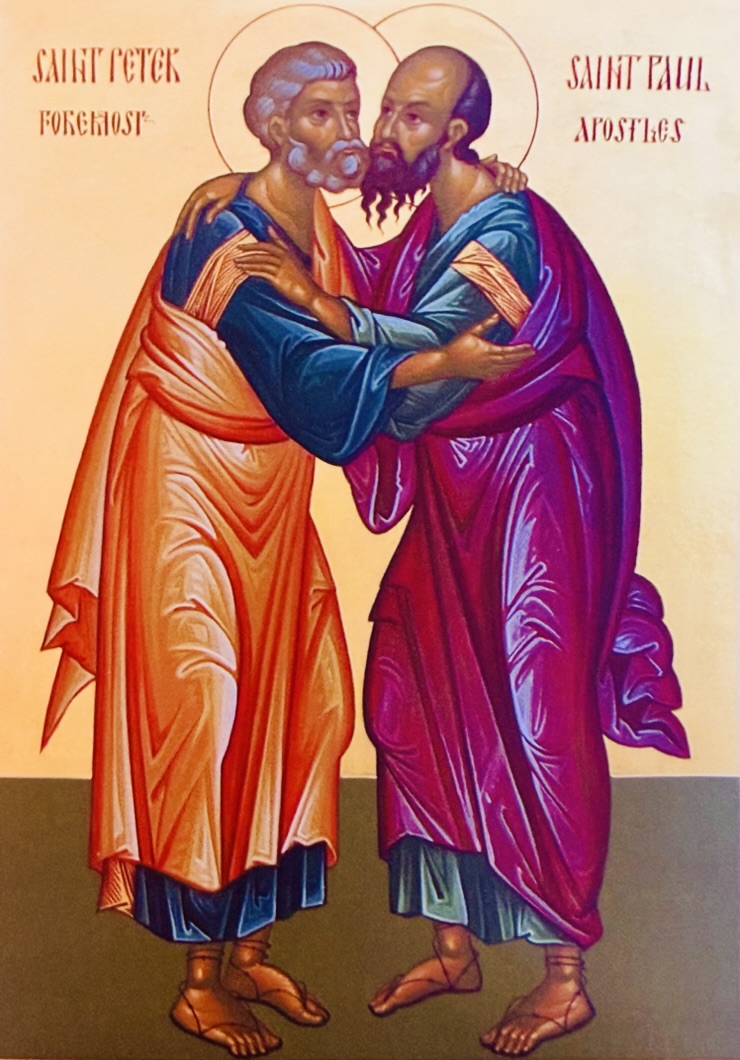
The week of Jan. 18 to 25 was the Week of Prayer for Christian Unity, a week bookended by the Feast of the Confession of St. Peter (Jan. 18) and the Feast of the Conversion of St. Paul (Jan. 25).
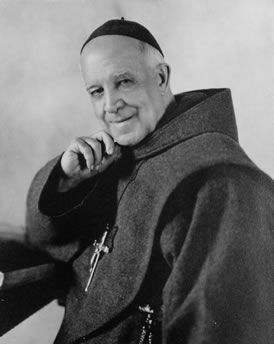
The week was established in 1908 by Episcopal priest and Franciscan friar Father Paul Wattson, who felt that the friendship between Peter and Paul was an ideal symbol of Christan unity, not because they agreed on everything but precisely because they disagreed — sometimes vehemently — and yet remained committed to their partnership.
At my Episcopal parish, we have preachers from the Lutheran, Presbyterian, Disciples of Christ, Baptist and Anglo-Catholic traditions, and we celebrated the week with teachings led by different leaders: a teaching on St. Peter led by an Episcopal priest, a teaching on St. Paul led by a Lutheran pastor, and a Bible study led by a pastor from the Disciples of Christ.
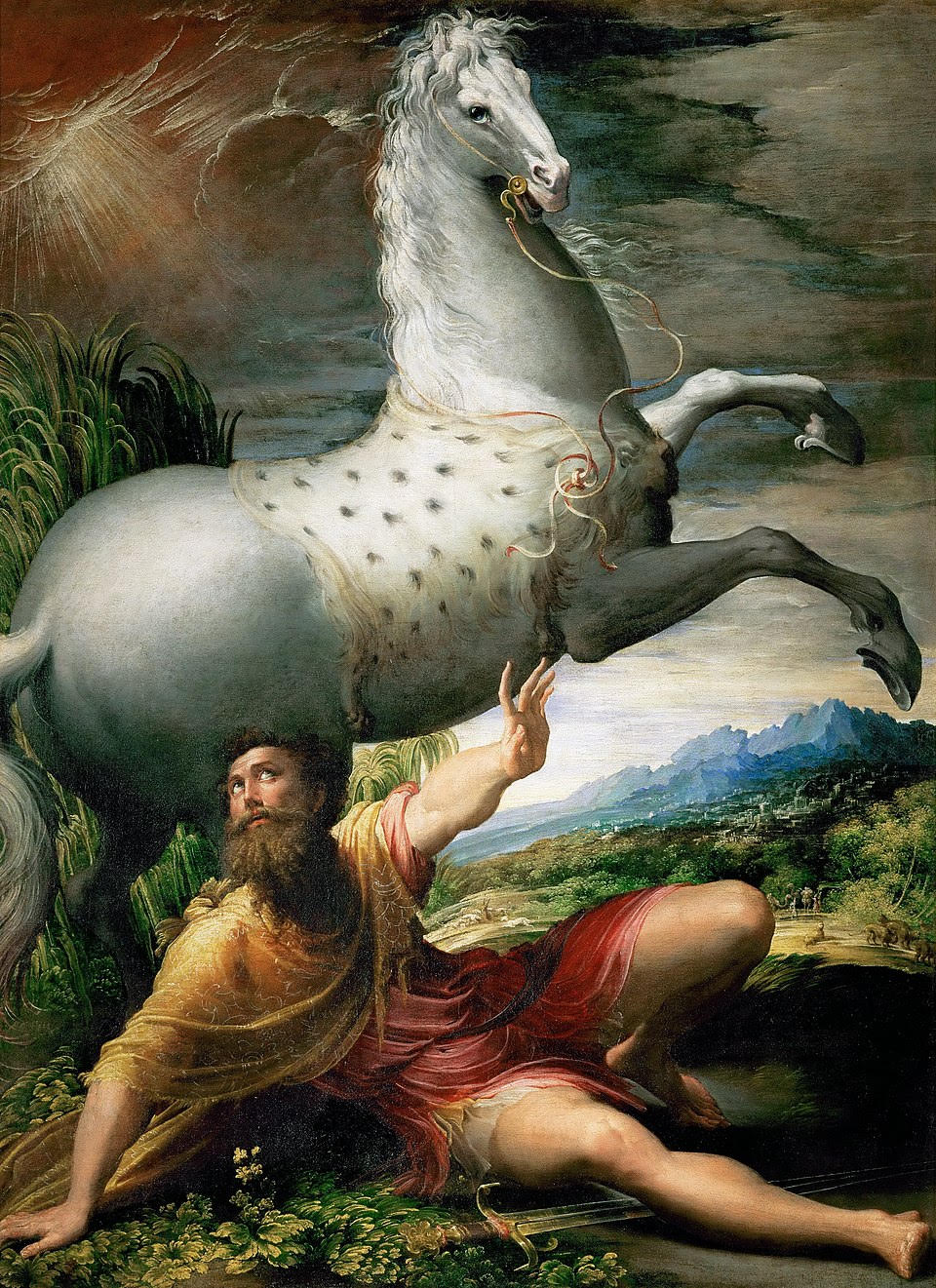
While reflecting on these two saints who are known as the Holy Foremost Apostles, I was reminded of the writings of a French philosopher named René Girard, who wrote about the poignant question that connects them both. After Peter denied Jesus three times following his arrest, the Gospel of Luke says that Jesus turned and looked at Peter, who then wept bitterly (Luke 22:62). According to Girard, this look pierces Peter’s heart because Peter reads in the look the following question: “Why do you persecute me?” This is the same question that Paul hears from Jesus’ mouth when he travels to Damascus to violently detain Jewish followers of Jesus, a question that knocks Paul to the ground (Acts 9:4).
The great transformation in the life of the first pope (Peter) and in the life of the first Christian theologian (Paul) is the humbling realization that their behavior was, in fact, violently oppressive to Christ. Paul initially believed that his murderous persecution of the early Christians was sanctioned by God, and he felt certain he was doing God’s work when he was “breathing out murderous threats against the Lord’s disciples” (Acts 9:1). It was not until he was knocked off his high horse that he realized he was, in fact, working in direct opposition to God.
Paul’s conversion calls all Christians to seriously check ourselves whenever we think we are doing God’s work by oppressing a vulnerable group of people. According to the foundational story of Paul’s life, we are working in direct opposition to the God revealed in Christ whenever we persecute the vulnerable. The sad irony is that so many churches that preach Paul completely fail to see this truth at the heart of Paul’s Christian identity.
“Christian conversion,” Girard says, “is always this question that Christ himself asks”: Why do you persecute me? It is a question that should always prevent Christians from creating false unity built upon the oppression of vulnerable victims and scapegoats and one that can propel us toward true Christian unity in our common striving for peace and justice among all people.
The Rev. Daniel DeForest London is the rector of Christ Episcopal Church in Eureka and the Ecumenical and Interreligious Officer for the Episcopal Diocese of Northern California.

 DANIEL DeFOREST LONDON