
Readings for the First Sunday after the Epiphany: The Baptism of Our Lord
This sermon was preached at Christ Episcopal Church in Eureka CA on January 11, 2026.
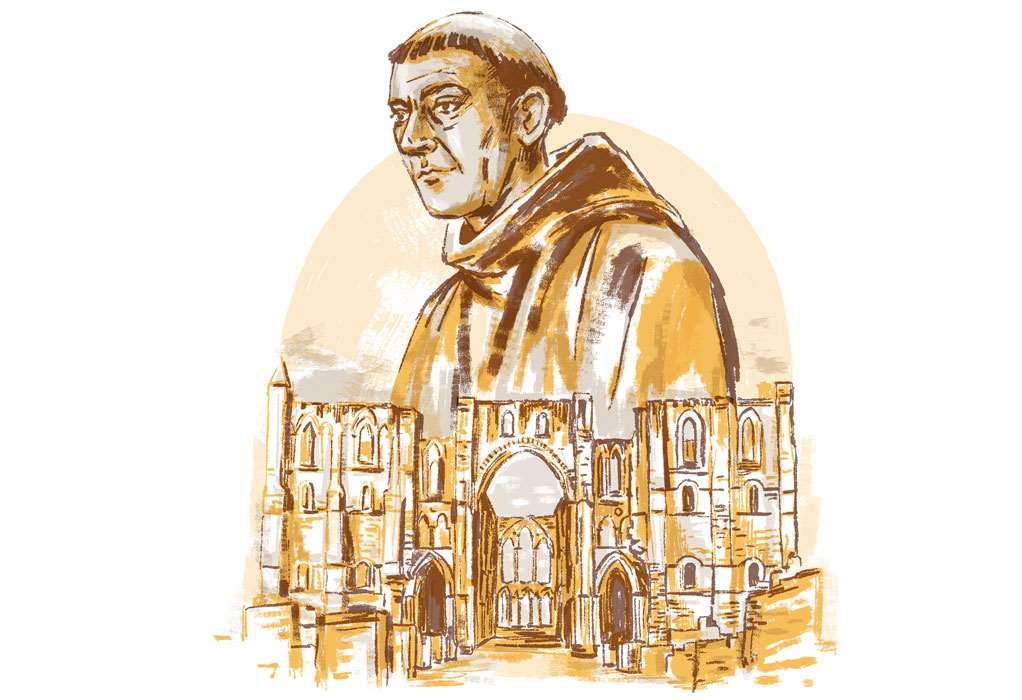
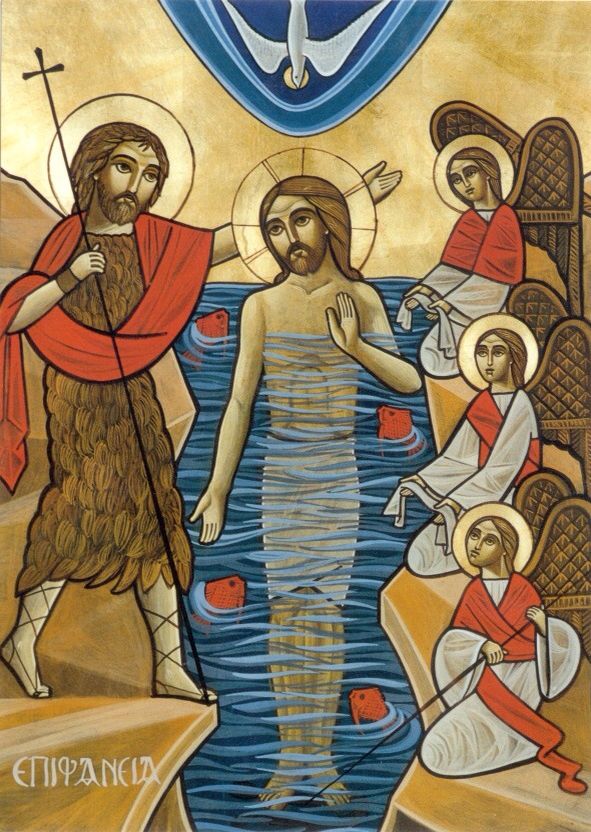
Today is the feast day of the Baptism of Our Lord (when we baptize Theodore Alex Zheng); it is also the 12th anniversary of my ordination to the priesthood, and the Eve of the Feast Day of the beloved medieval English Cistercian abbot St. Aelred of Rievaulx. St. Aelred, who is considered the patron saint of Spiritual Friendship and the LGBTQ community, offers a theological anthropology that is helpful for us today. By “theological anthropology” I mean a theological understanding of humanity. According to Aelred, we are all inherently beloved of God who made us all beautifully in His image and His likeness. The words that God said to Jesus at his Baptism, he says to you now, “You are my child. My beloved, with you I am well pleased.” And the words of Isaiah are God’s words to you as well: “Here is my servant, whom I uphold, my chosen, in whom my soul delights” (Isaiah 42:1). At Baptism, we formally and publicly receive and claim this truth of our belovedness, which is innate because we are made in God’s image. At our Baptism, we also make vows to uphold this belovedness as central to our identity so that we can grow in the likeness of God by following through on the practices we vow to uphold. The image of God is your inherent identity as God’s beloved. However, according to St. Aelred (and St. Augustine), the likeness of God is your behavior when it is fully aligned with that identity. And we who are made in God’s image often fail to live according to the likeness of God.
https://www.english-heritage.org.uk/members-area/past-lives/st-aelred/
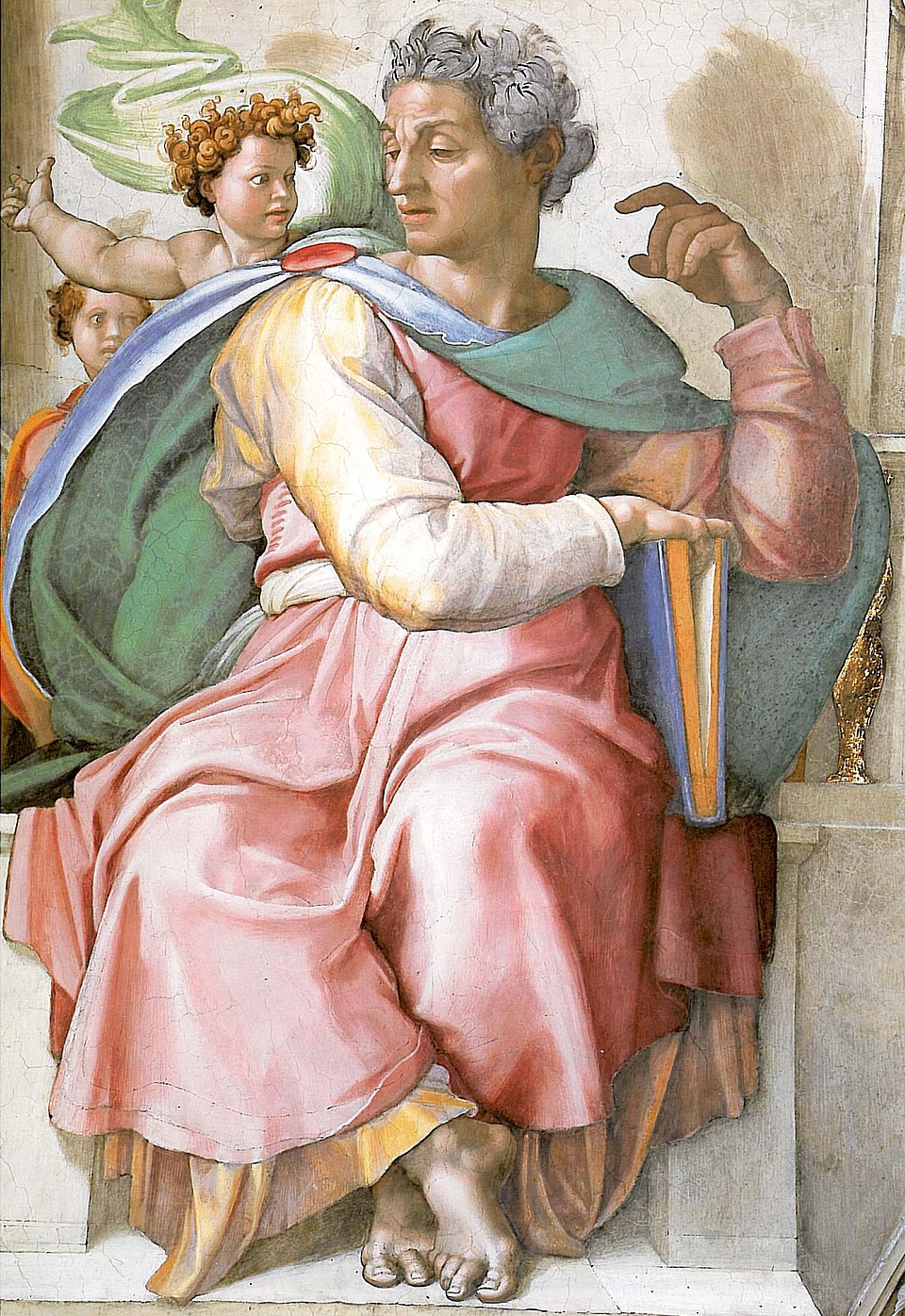
The prophet Isaiah, who is quoted more than any other prophet in the New Testament, affirms the belovedness of God’s people; however, he is also outraged by their utter failure to live according to God’s likeness. God is disgusted and repulsed by the rotten behavior of the corrupt leaders of the kingdom of Judah, leaders who commit idolatry by worshiping the false gods of their own egos, who buddy up with despots, and who treat their own people, especially the vulnerable, with grotesque violence and unchecked cruelty. The prophet Isaiah speaks on behalf of God when he judges the behavior of these leaders and warns them that a fire is coming to devour their precious idols, to humiliate their pathetic egos, and to tear down their smug and cruel arrogance just as He breaks the cedars of Lebanon and makes the oak trees writhe. This is, more or less, the summation of the first 39 chapters of Isaiah. However, at chapter 40, the tone changes so dramatically that biblical scholars are mostly convinced it’s a different author entirely whom they call “Second Isaiah.” Chapter 40 begins with those hope-filled words memorialized by Handel: “Comfort ye my people, her warfare is over, her iniquity is pardoned,” and then these words are followed by some of the greatest poems in the Bible known as the Servant Songs, beginning with our reading today from chapter 42. These songs describe the behavior of someone who has made the truth of their belovedness in God’s eyes absolutely central to their identity, someone who does not need to impose their ego and greed forcefully onto others because they know the power of the Lord has their back, someone who is not only made in God’s image but who is living according to God’s likeness.
In his book The Tears of Things: Prophetic Wisdom for an Age of Outrage, Franciscan priest Richard Rohr says that Isaiah’s Servant Songs are “a clear turning point in the whole Bible – the expectation of a very different kind of liberator and a very different kind of liberation.”[1] He says, “These are not songs that the masculine psyche can easily appreciate. [They] are almost entirely in the language of vulnerability and powerlessness, which Jesus fully enacted, but we are still and probably always will be unprepared for.”[2] The Servant Songs of Isaiah, Richard Rohr says, are written in the “highly evolved language of the nonviolent resister whom we only began to hear by the twentieth century, in prophets like Mahatma Gandhi, Rosa Parks, Simone Weil, Dorothy Day, and Bayard Rustin [an openly gay leader of the civil rights movement whose activism has been largely overlooked].”[3] The servant of God, whose identity is fully rooted in their belovedness, refuses to behave violently, and responds to any violence perpetrated against them in a way that exposes, dismantles, and ultimately breaks the cycle of sinful oppression.
This servant of God described in Isaiah (in our reading today) is, of course, fully realized and embodied in Jesus of Nazareth who, Peter says in our reading from Acts, preached peace; not the peace of Rome, not the Pax Romana (which is based on violent force – that is the peace that Jesus clearly rejected when he said “I did not come to bring that peace” Matt 10:34) but the peace of one who lives their life according to the likeness of God. Peter describes Jesus the Servant of God as anointed with the Holy Spirit and with true power at his baptism, true power expressed through vulnerability. Jesus went about doing good and healing all who are oppressed by the Liar, and was then put to death by hanging, hanging on a tree, and even on that tree that we call the Cross he said to his murderers, “I’m not mad at you. Father, forgive them.” God then raised Jesus from the dead to make it abundantly clear that this is the behavior of God’s true Servant, this is the behavior of the one whom Isaiah described in his songs, the one ordained by God as the judge of the living and the dead, the one who is not only made in God’s image, but who lives according to God’s likeness. At our Baptism, we are anointed with that same Holy Spirit who empowered the Servant of God Jesus Christ to preach peace and to heal others through the power of his own vulnerability and the Holy Spirit empowers us to fulfill our baptismal vows to strive for justice and true peace among all people, and to respect the dignity of every human. May we do so today and every day, with God’s help, with the help of the One in whose image and likeness we are made and in whose eyes we are always beloved. Amen.
[1] Rohr, Tears of Things, 122.
[2] Rohr, Tears of Things, 122.
[3] Rohr, Tears of Things, 123.

 DANIEL DeFOREST LONDON