
This article was written for the December 2025 Chronicle newsletter for Christ Church Eureka.
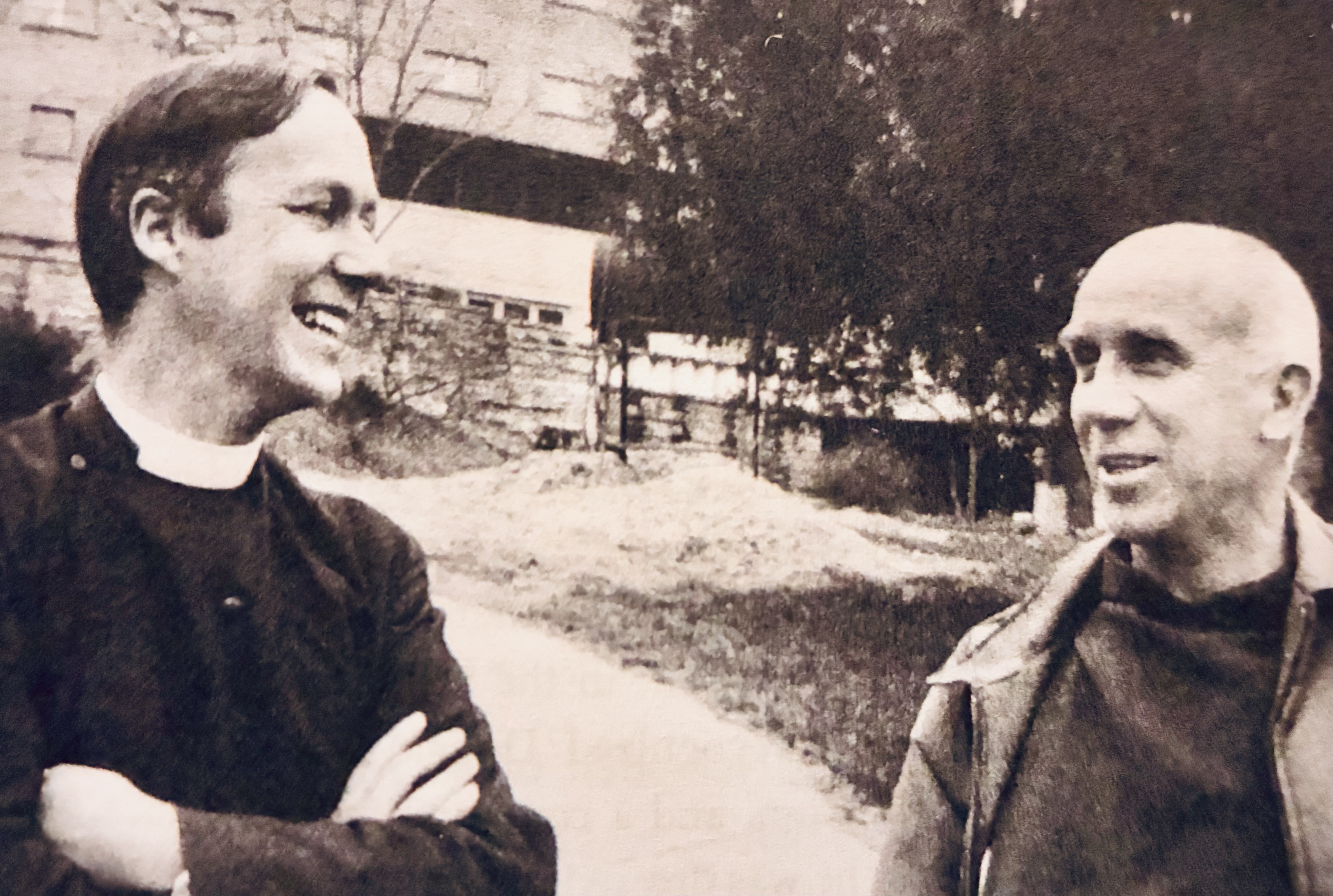
This Advent, I’m reading a book by an Anglican theologian named Donald Allchin who enjoyed a spiritual friendship with the Trappist monk Thomas Merton, whose feast day happens to be this month (Dec 10)![1] Donald Allchin was an Anglican priest and author who was heartily enthusiastic about monastic spirituality and ecumenical dialogue, especially with Roman Catholics, Romanian Orthodox, and Methodists. The book, which is based on a series of lectures he gave in Paris on the Anglican approach to Mariology, is titled The Joy of All Creation: An Anglican Meditation on the Place of Mary. In the book, Allchin reflects on the theological mystery that we celebrate each Christmas, which is the doctrine that vibrates most strongly in the Anglican soul: the doctrine of the Incarnation. Allchin defines the Incarnation as the divine “act by which…humankind and God are united” in the en-fleshment of Christ.[2] He writes, “The body and the senses cannot be ignored in any serious reflection on this Christian mystery. The idea of incarnation indeed focuses our attention upon them from the outset.”[3] And it is St. Mary who makes the Incarnation possible in the first place[4] and it is in emulating St. Mary that we can each become the place where the Incarnation continues to manifest, because our God “wills to be incarnate now no less than then.”[5]
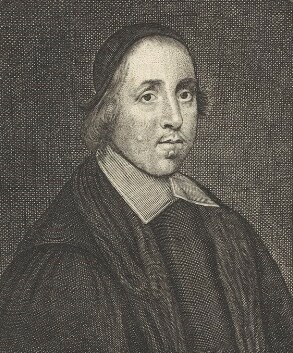
We can emulate St. Mary by making room in our hearts and lives for him who found no room in the inn of Bethlehem. Yes, we can emulate St. Mary by making room in our hearts and lives for him who found a home in Mary’s womb, in her very body.[6] Seventeenth-century Anglican theologian Mark Frank reflects on the fact that there was no room in the inn, asking, in his very seventeenth-century British way, “What though there be no room for him in the inn?” and then concluding, “I hope there is room in our houses for him. It is Christmas time, and let us keep open house for him…Do but make room for him and we will bring him forth.”[7] And then Mark Frank seems to lean in and whisper, “It is a mysterious business we are about” as he turns our attention to the sacrament of Holy Eucharist and poetically declares,
The Lord comes to none more fully than in the blessed Sacrament to which we are now agoing. There he is strangely with us, highly favors us, exceedingly blesses us; there we are all made blessed Marys, and become mothers, sisters, and brothers of our Lord, while we hear his word, and conceive it in us; while we believe in him who is the Word, and receive him too into us. There angels come to us on heavenly errands, and there our Lord indeed is with us, and we are blessed, and the angels hovering all about us to peep into those holy mysteries, think us so, call us so.[8]
For us Anglicans, it is by our participation in Holy Eucharist that “we are all made blessed Marys” and what a profound honor that is! For us – for our very bodies – to be the place of God’s continuing Incarnation as we make room for him in our hearts and lives, especially by making room and time in our busy schedules to participate in the Eucharist as often as we possibly can.
While writing this reflection, I received an email from one of the Brothers of the Society of St. John the Evangelist, an Anglican/Episcopal monastic community that prayerfully reflects on the mystery of the Incarnation every day.[9] Brother James Koester SSJE wrote the following, “It doesn’t matter that our lives, or our families, or our world are not perfect. What matters is that we make a space, no matter how small, for God in our hearts. When we do that, God will do the rest, and Christ will once more be born in the Bethlehem of our lives and the mangers of our hearts, and the angels will sing, and the shepherds will once again rejoice.”[10]
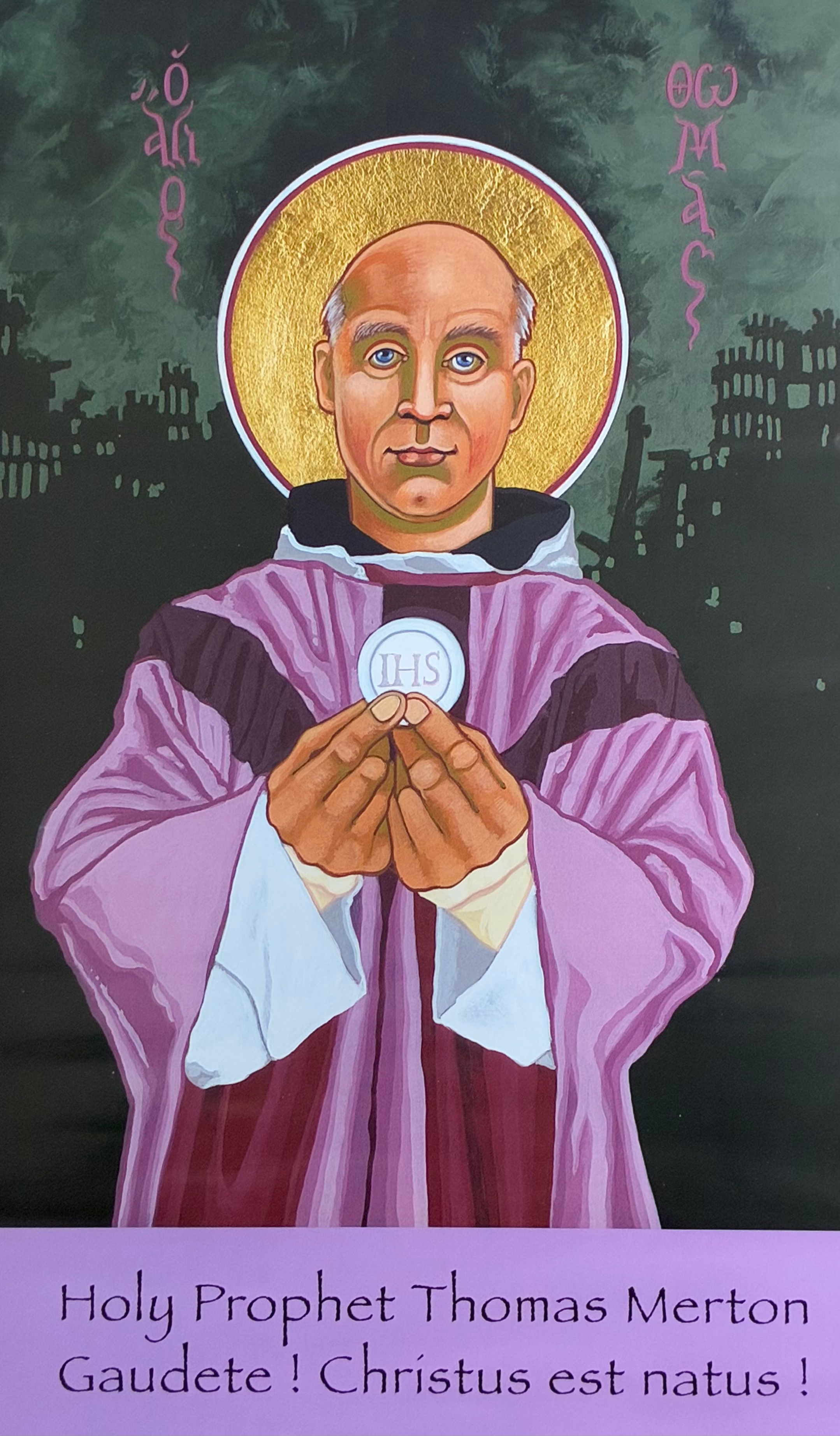
This Advent and Christmas season, Christ Church is offering many opportunities for you to make room for Christ and to experience the Mystery of the Incarnation take place in your very body, much like it did for blessed Mary. I invite you to make room for Christ not only by attending Advent Compline, Centering Prayer, Bible Study, Lectio Divina, Adult Forums, a fabulous Organ Concert, the Advent Quiet Day, the Blue Christmas service, the Winter Solstice Labyrinth Walk, the Thomas Merton Reading Group, and the Betty Chinn Community Dinner, but also by prioritizing your participation in the Holy Eucharist on Sunday mornings. We will also be offering a special Holy Eucharist at 9 AM in the Chapel on Wednesday December 10th in celebration of the Feast of Donald Allchin’s dear spiritual friend Thomas Merton.
Please join us as we make room for Christ together and as we remember, in the words of Donald Allchin, that “the Virgin’s womb…is not the only place of birth. There are also the waters of the [baptismal] font, which also bring forth new life. Nor is it only the first disciples who have seen with their eyes and handled with their hands. To us also the Word of life has made himself perceptible by the senses, given himself in his Body and his Blood, in a mystery, the hidden reality of the Eucharist. The sacraments…are involved in the mystery of the incarnation, in the meaning of the name Emmanuel, which says that God is with us.”[11]
Do but make room for him this Advent and Christ and we will bring him forth!
[1] While Thomas Merton is included in our calendar for Holy Women, Holy Men: Celebrating the Saints and A Great Cloud of Witnesses, he has not yet officially been added to our Calendar of Lesser Feasts and Fasts.
[2] A. M. Allchin, The Joy of all Creation: An Anglican Meditation on the Place of Mary (London: New City, 1993), 33.
[3] Allchin, The Joy of all Creation, 17.
[4] Quoting Roman Catholic theologian Charles Moeller, Allchin writes, “it remains true that without Mary the Word could not become incarnate; there is the unfathomable mystery of the love of God which respects and re-creates his creation to such a point that he has as it were need of the fiat [the consent] of Mary in order that the incarnation may take place.” Charles Moeller, Evangelisation et Mentalité Moderne, p. 137 as cited in Allchin, The Joy of all Creation, 28
[5] Allchin, The Joy of all Creation, 18.
[6] One of the great founding fathers of Anglicanism Lancelot Andrewes (1555 – 1626) emphasizes “Christ as embryo,” inspiring Allchin to write “We know more clearly than Andrewes did, the links which bind human conception to animal conception; the immensely long processes of evolution which in some way the human embryo recapitulates in the first stages of its development. All this was part of God’s patience, all this was in some way assumed.” Allchin, The Joy of all Creation, 46.
[7] Allchin, The Joy of all Creation, 87.
[8] Allchin, The Joy of all Creation, 96.
[9] Last December, I had the joy and privilege of leading an education day for the SSJE Brothers on the Gospel of John and the Incarnation. Donald Allchin expressed particular admiration for Fr. Richard Meux Benson, the founder of the Society of St. John the Evangelist who are also known as the “Cowley Fathers.”
[10] https://www.ssje.org/2023/12/24/of-kitchens-and-christmas-br-james-koester-2/?utm_medium=email&_hsenc=p2ANqtz-8pB0zBvevfUCnoqKnb4ynryyEMJpt09_AWcij2fs5AwgiCNZ0zYbsa4q8FuxCiaQmkyTizgOK1bZIz60bDs53BnXksnA&_hsmi=123148592&utm_content=122771140&utm_source=hs_email, accessed December 4, 2025.
[11] Allchin, The Joy of all Creation, 47.

 DANIEL DeFOREST LONDON