
Readings for the Seventh Sunday after Pentecost (Proper 12 – Year C – Track 2)
This sermon was preached at Christ Episcopal Church in Eureka CA on July 27, 2025.
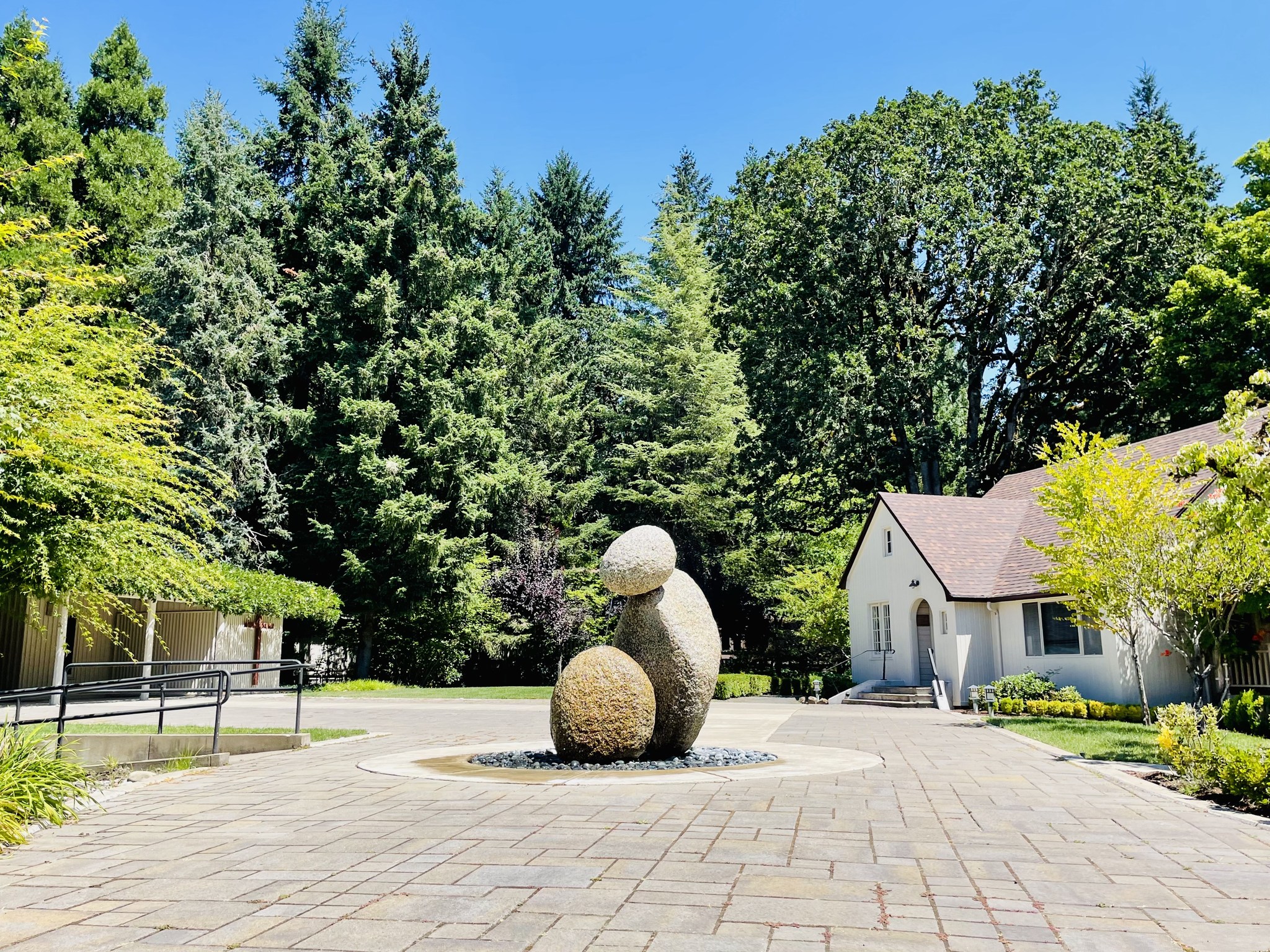
I preached a couple Sundays ago about something that happened to me on my way to a Trappist monastery in upstate New York. Between then and now, I visited yet another Trappist monastery, this one up in Oregon, Our Lady of Guadalupe Abbey in Lafayette, about 45 miles southwest of Portland. I happened to visit the abbey on July 23rd, the Feast Day of John Cassian. Not be confused with the later great theologian Johnny Cash, John Cassian was an early church theologian who brought the wisdom of the Desert Fathers and Mothers to the West and whose Conferences remain a spiritual classic and essentially required reading for all Christian monastics and mystics today. As I was driving back home from the abbey and listening to a recording of the Trappist monks chant the Lord’s Prayer, I began thinking about my sermon for today since our Gospel features this beloved prayer; and I wondered if that most well-known Trappist monk Thomas Merton had written anything about the Lord’s Prayer. I learned that although Merton never specifically wrote about the Lord’s Prayer, he did lead discussions on it with his novice monks; and his discussions happened to revolve around a commentary of the prayer written by John Cassian! It was the Holy Spirit’s way of telling me to preach on Merton’s and Cassian’s commentary on the Lord’s Prayer. During my trip, I was able to download a recording of Merton’s discussions (recorded on cassette in June 1962) and I listened to them while driving back home along the stunning and rugged Oregon coast.


Merton describes Cassian’s commentary on the Lord’s Prayer with praise and grandiose superlatives as he is wont to do, saying, “This is very, very good stuff. This is really pure Christian tradition. You can’t do any better. Everybody ought to read this.” And then in reference to the Lord’s Prayer itself, he explains that it is “the prayer taught us by God Himself and so, everything [we need] is there.” Merton then invites his listeners to do something that I invited all of us to do the last time I preached on the Lord’s Prayer (six years ago), something that my father (who taught me the Lord’s Prayer 36 years ago) used to do regularly; and I extend that invitation to you all again today: the invitation to meditate on each line of the prayer as you pray it. Merton says, “One of the most basic forms of meditation is to take the Pater Noster and realize what you’re saying. And in the life of [prayer], we should all at some time or another do that. I don’t mean to say that you have to do it every Wednesday, but somewhere along the line, it’s a good idea to do this. To meditate on the Pater Noster. That is to [contemplate] what you’re saying. To see what goes into it.”
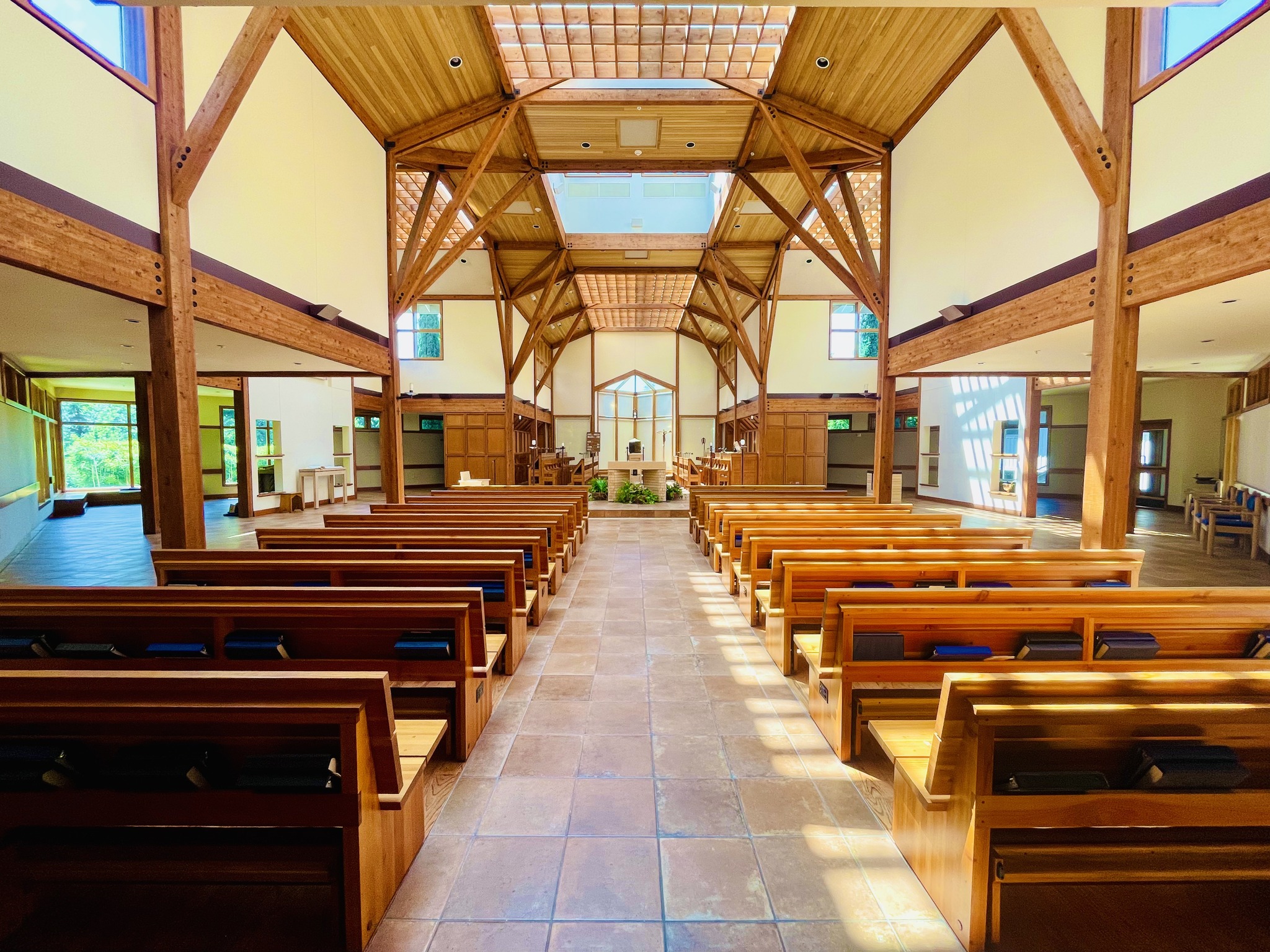
Merton then goes on to say that it’s also a good idea to meditate on death once in a while or to meditate on the Passion of Christ or to meditate on Heaven, a subject that causes Merton to digress a little bit, saying, “There’s no harm in meditating on Heaven. It’s a good thing, even though we haven’t got too clear an idea on what it’s all about. It’s a good thing to meditate on. So, think about Heaven because after all we all hope we’re going to get there someday pretty soon. The sooner the better. What could be better? What else do we want? Can you think of anything better?” After some nervous laughter, one of the cheeky novices says, “Well, maybe to have a good dinner before I go.” And then the whole room erupts with laughter.
Following Merton, I invite you to “take each clause [of the Lord’s Prayer] at a time, and, while holding each in turn in the back of your mind, call into the front of your mind the particular things you want to pray for […] under that heading. Under the clause, ‘Thy Kingdom Come,’ for example, [you may want to pray for] the peace of the world, with some particular instances [in mind]. The important thing is to let the medicine and music of the prayer encircle the people for whom you are praying, the situations about which you are concerned, so that you see them transformed, bathed in the healing light of the Lord’s love as expressed in the prayer.”[1]
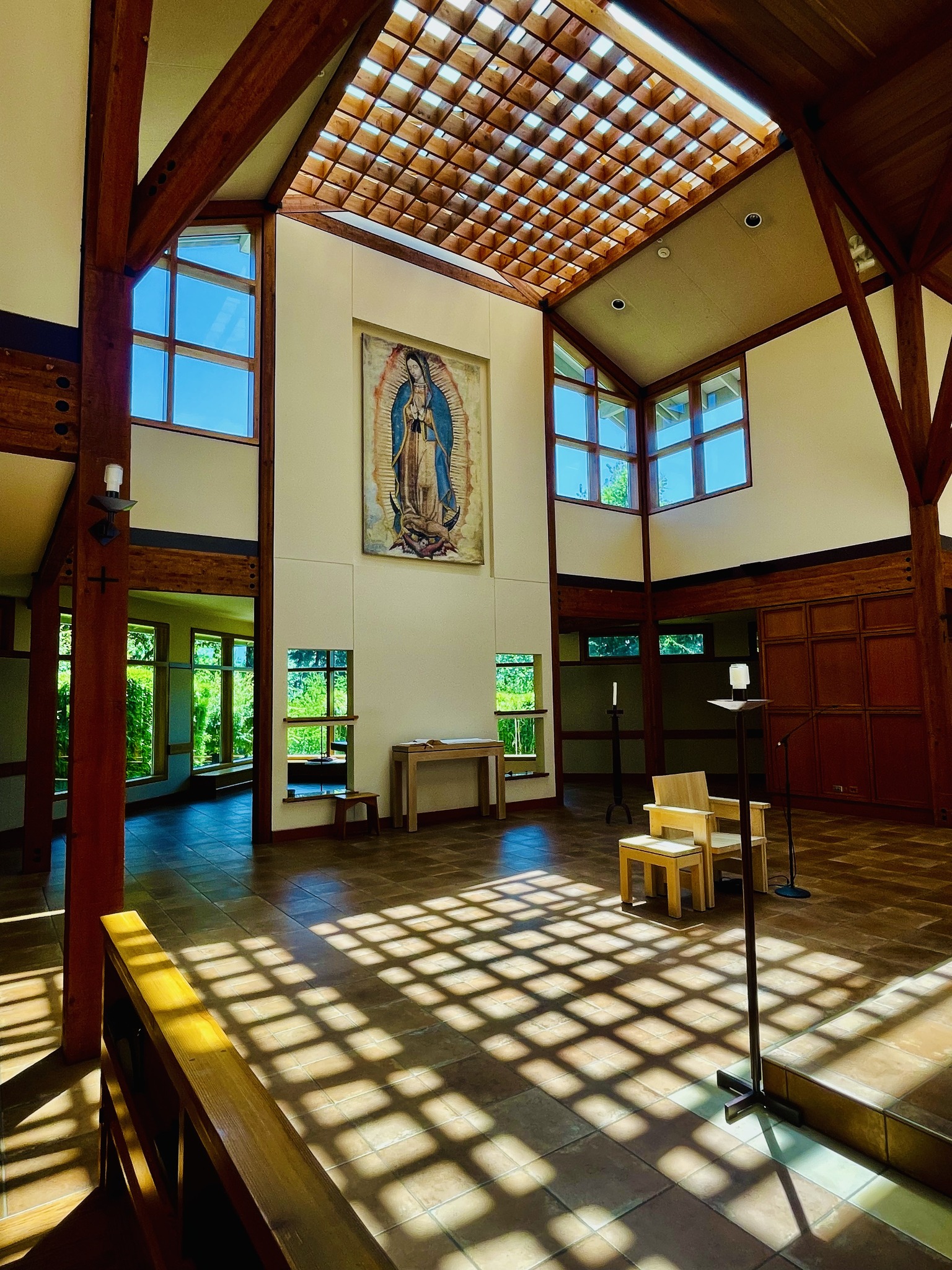
By the way, the words of the Lord’s Prayer are the only words that have remained unchanged in our liturgy during the 155 years of Christ Church Eureka’s existence. When we pray the Lord’s Prayer ,we are praying the same words that our founder Thomas Walsh and our first rector John Gierlow prayed as well as the Rev. John Woart (1882 – 1888) who previously served as the rector of Old North Church in Boston (1840 – 185) and all the Christ Church Eureka members. For decades, this prayer has echoed within this nave and has seeped into the furniture. Our pews and stained-glass windows have been absorbing these words for 155 years now. The old-growth, clear heart redwood has borne witness to this prayer.
Thomas Merton and John Cassian offer commentary on each line of the Lord’s Prayer; and I’d love to share each of their insights with you, but then we might be here until kingdom come, so let me just conclude with one insight that is pertinent to our mission here at Christ Church. In reflecting on the line “Hallowed be thy Name,” John Cassian says that with these words, we give glory to God, and it is in giving glory to God that all our desires and joys are fulfilled. Merton reiterates how basic and fundamental this teaching is, and then asks a simple but challenging question, “Why do we go to church?”
“Very often we tend to say, ‘Well that’s going to make us more perfect.’ That’s not the reason why we [go to church]. We’re not in [church] so that we may be more perfect. We’re [in church] so that God may be glorified. Then you say, ‘Well, right, but perfection follows from that.’ And that’s true, but very often our attitude towards [church] would be a whole lot simpler if we realized that we were here for the glory of God and not for our own perfection and so less for our own satisfaction. We’re not in here to enjoy the beautiful [music and liturgy] and so forth. Although they are beautiful and we should enjoy them [insofar] as they help us give glory to God, but they’re not end[s] in themselves.”
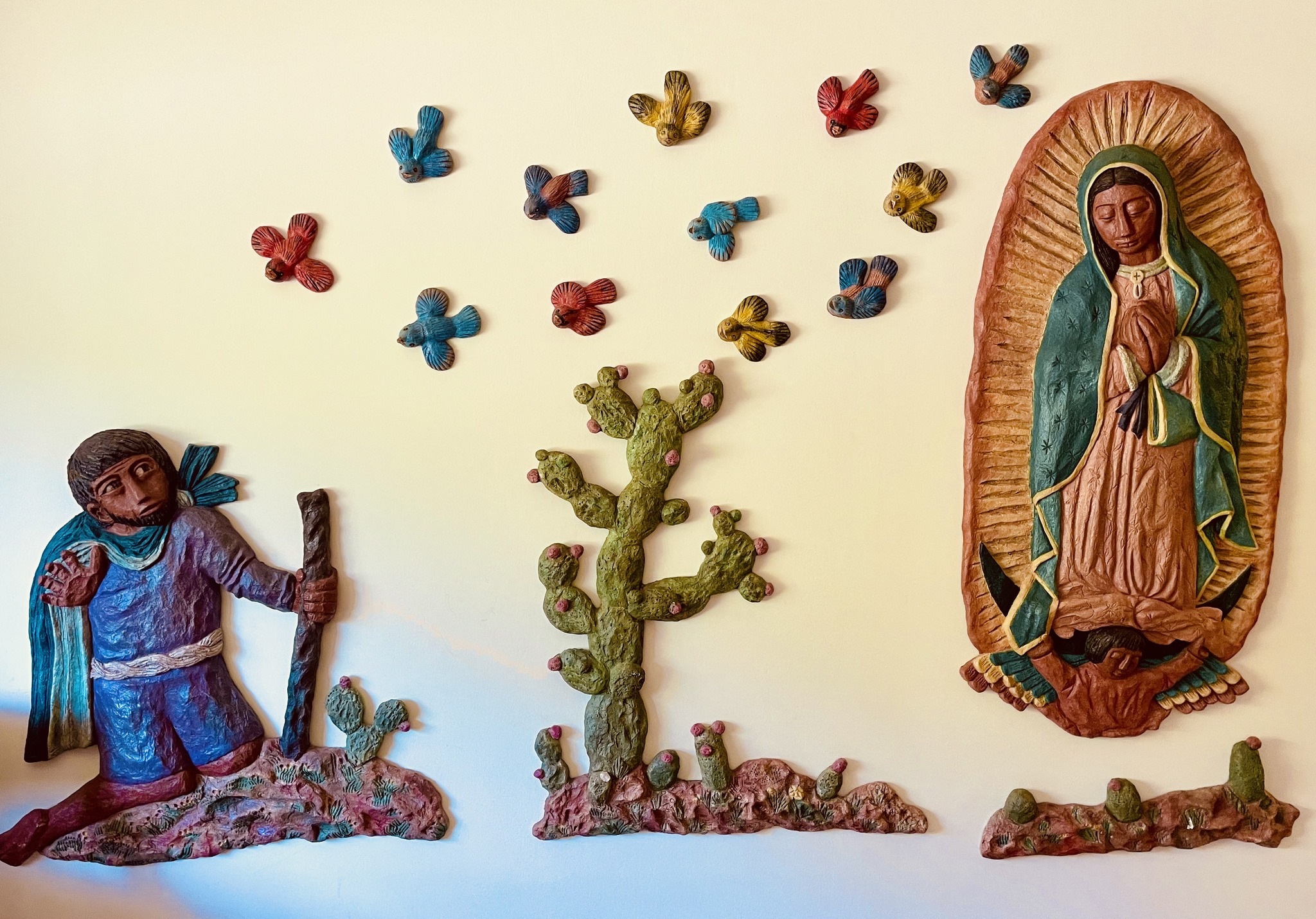
And then Merton asks the novice monks, “Why do we praise and glorify God?” Our primary mission here at Christ Church is to glorify God, but why do we do it? Merton asks a question we should ask ourselves: “What’s the chief reason why we praise God as wonderful in the liturgy?” One novice says, “Because we have hope of salvation.” Merton says, “Give me a more concrete reason.” Another novice says, “Because we are the sheep of his pasture.” Merton says, “More concrete.” Then another one says, “Confitemini Domino, quoniam bonus (Psalm 118:1),” which means “Praise the Lord because He is good.” A good answer, yet still Merton says, “Alright, but more concrete and precise. There’s one very precise and central reason why we keep praising God in the liturgy: Because God came on earth, died for us and rose from the dead, conquering death and the devil. This is his great work. And then yes, he has made us the sheep of his pasture, and He’s leading us with Him into Heaven and so therefore we praise Him, quoniam bonus.”
For John Cassian and the early church fathers, the Passion and Resurrection – these concrete acts of God – were the great central mysteries upon which the Liturgy was based. We worship and glorify God because God in Christ came on earth, died for us and rose from the dead, conquering death and the devil. God acts and we burst forth in praise. At Easter, we proclaim, “Christ is risen!” and then what’s the response? A burst of praise, “Alleluia!” Wonder and praise. “That,” according to Merton and Cassian, “is the primitive [as in ancient] idea of the glory of God.” So, when we pray the Lord’s Prayer, when we say, “Hallowed be thy Name,” when we sing “Alleluia!” let us remember why we are praising God: because God came on earth, died for us and rose from the dead, conquering death and the devil. May we find all our desires and joys fulfilled in glorifying God because of the Love He revealed in Christ; and may we be rooted and established in this truth, as God’s beloved children, abounding in thanksgiving. Amen.
[1] N. T. Wright, The Lord & His Prayer. William B. Eerdmans: Grand Rapids MI 1996, 7-8.

 DANIEL DeFOREST LONDON