
Readings for the Sixth Sunday after the Epiphany – Year C
This sermon was preached at Christ Episcopal Church Eureka on Sunday February 16, 2025.

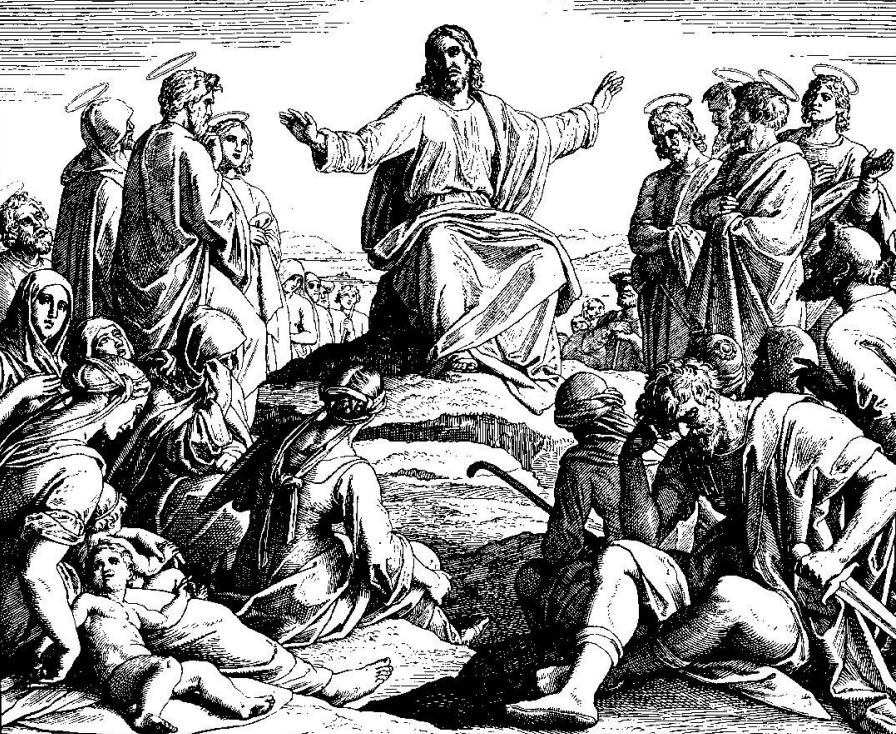
According to Jeremiah and the first Psalm, whose who trust in the Lord and those who delight in the Torah are like a tree planted by water, sending out its roots and bearing fruit. In his first letter to the Corinthians, Paul emphasizes the crucial role of the resurrection, the resurrection of the Christ whose death on the Cross transformed a symbol of torture into the Tree of Life. And in Luke’s Gospel, Jesus begins his Sermon on the Plain, which concludes later in the chapter with Jesus saying, “No good tree bears bad fruit, nor does a bad tree bear good fruit, for each tree is known by its fruit” (Luke 6:43 – 44). And if you look at the cover of your bulletin today, it almost appears as if Jesus is posing as a tree. The biblical authors and Jesus himself loved talking about trees. It’s not just me.
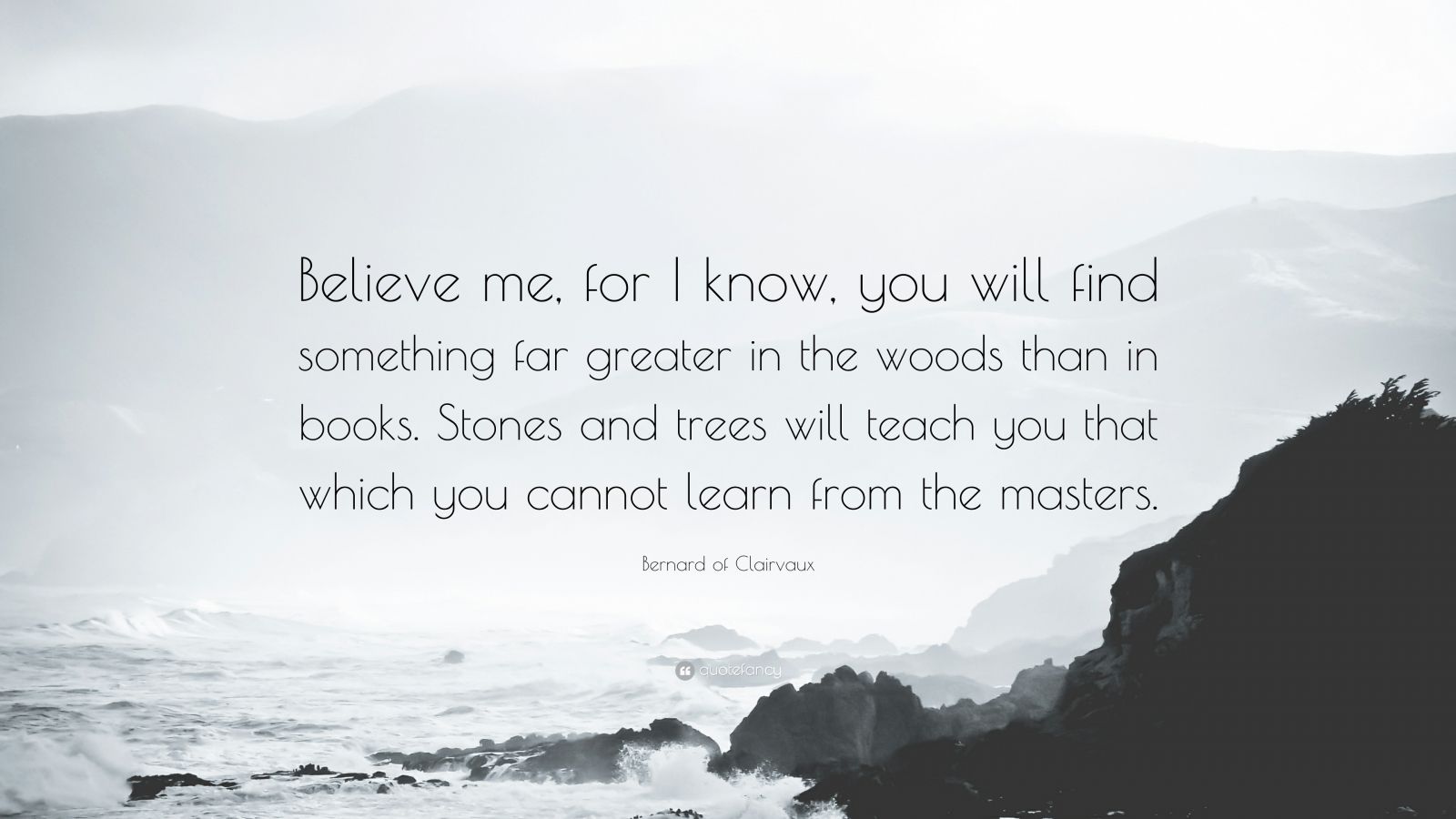
In the Spiritual Friendship class I’m teaching right now online, I just gave my students the assignment to befriend a tree by spending at least 20 minutes sitting beside one, listening as best they can to its wisdom. St. Bernard of Clairvaux told his friend St. Aelred of Rievaulx, “My friend, you will discover things in the woods that you will never find in books. Stones and trees will teach you things that you could never learn from your schoolteachers. Your experience of simply sitting under the shade of a tree will give you wisdom that ought to be shared.”
So, what is the wisdom for us today? The wisdom from the trees?
In a book titled Finding the Mother Tree: Discovering the Wisdom of the Forest, author Suzanne Simard writes about the “web of interdependence” that links trees through a “system of underground channels, where they perceive and connect and relate with ancient intricacy and wisdom that can no longer be denied.”[1] Her book is not about how we can save the trees, but rather how the trees might save us.”[2] This emphasis on interdependence helps me see the cohesion and coherence in our Scripture readings this morning.
In Jeremiah and the Psalm, the one who trusts in the Lord and delights in the Torah is described as a fruitful tree and as one who prospers in everything they do. That sounds like someone who is enormously successful, who has made a name for themselves and who is able to enjoy a significant level of wealth and abundance. Often when we see a successful and wealthy businessman, we might assume God has blessed them. However, Jesus, who is clearly riffing on this biblical poetic tradition within Jeremiah and the Psalm, challenges and inverts our assumptions around prosperity and success by saying, “Blessed are you who are poor” and then “Woe to you who are rich.” For Jesus, it is the poor who bear good fruit while the rich bear bad fruit. Now we know Jesus had friends who were wealthy whom he loved dearly, and many wealthy women supported his ministry. So, what’s he saying here? I hear Jesus using poetic and even jarring language to warn us against the dangers of an egotistic and narcissistic sense of independence that so easily comes with wealth and power and prestige. We can so easily fool ourselves into thinking that we earned every penny through our own brilliance; and we don’t really need God, nor do we need others. This way of thinking and being produces bad fruit.
The trees and their web of interdependence remind us how much we need God and each other to grow spiritually and to bear fruit that lasts. We depend upon God for every breath we breathe just as the trees depend upon God for sunlight and water and the carbon dioxide that we exhale. Trees invite us to embrace our humanity and finitude, which means being part of an interdependent relationship with other humans, not a codependent relationship, but an interdependent relationship.
German Catholic priest Johann Baptist Metz wrote an excellent spiritual classic that some say is the most profound meditation on Christ outside the epistles of Paul. It’s called Poverty of Spirit, which is inspired by the Gospel of Matthew’s version of Luke’s Beatitudes in which Matthew records Jesus saying, “Blessed are the poor in spirit.” For Metz, “poverty of spirit” is not just a virtue but rather “a necessary ingredient in any authentic Christian attitude toward life. Without it there can be no Christianity and no imitation of Christ. It is no accident that ‘poverty of spirit’ is the first of the beatitudes.”[3] Metz says we can embrace “poverty of spirit” by embracing our own humanity and finitude and interdependence, or, as he put it, by embracing “the spiritual adventure of becoming [fully] human.”[4] This means caring for our neighbors, including those who are impoverished and hungry and reviled and unhoused and ill and addicted. Metz writes, “Blessed are they who have served their neighbors and cared for their needs; cursed are they who have selfishly disregarded their brothers and sisters and rejected the light of love and human community. The latter, in trying to enrich and bolster their own selves, have turned their neighbor into the enemy and thus created their own hell.”[5]
When strong trees bear fruit and stretch out their roots, they provide nourishment to the weak trees that are struggling, who can in turn support them. It is through this interdependent relationship that trees embody what Metz and Jesus call “poverty of spirit.” Novelist Herman Hesse thought trees were the most compelling preachers, not because they make us want to be trees, but because they help us be truly human.[6] May we listen to the wisdom of the trees today as they invite us to embrace the web of interdependence that compels us to serve our neighbors and to care for their needs and thus embrace “poverty of spirit” and the spiritual adventure of becoming fully human. It is in doing this that we learn to truly rejoice and laugh and be filled because then the kingdom of God will indeed by ours.
[1] Suzanne Simard, Finding the Mother Tree: Discovering the Wisdom of the Forest (New York: Vintage, 2021), 4.
[2] “This is not a book about how we can save the trees. This is a book about how the trees might save us.” Simard, Mother Tree, 6.
[3] Johannes Baptist Metz, Poverty of Spirit, translated by John Drury(Mahwah NJ: Paulist Press, 1968, 1998), 21.
[4] Metz, Poverty of Spirit, 5.
[5] Metz, Poverty of Spirit, 33.
[6] “Those who have learned to listen to trees no longer want to be a tree. They do not yearn to be anything but what they are.” Hermann Hesse, Trees: An Anthology of Writings and Paintings, translated by Damion Searls (San Diego: Kales, 2024), 3.

 DANIEL DeFOREST LONDON