
Readings for the Third Sunday after the Epiphany – Year C
This sermon was preached at Christ Episcopal Church Eureka on Sunday January 26, 2025.
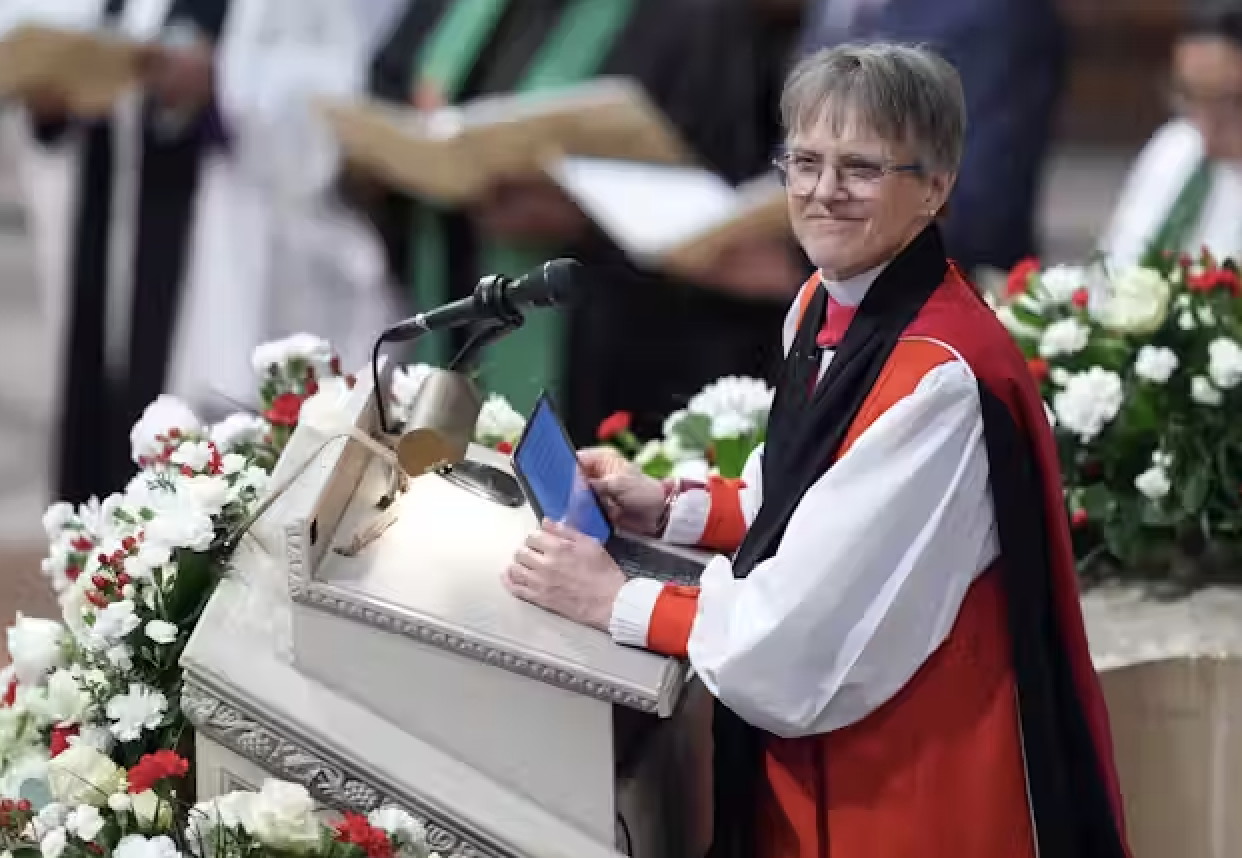
So, a preacher delivered a sermon that was rooted in Scripture, emphasizing God’s love and care for the poor, the oppressed, the vulnerable, and the scared. Many praised this preacher for their grace and eloquence and poise, but then the preacher added a final addendum to the sermon, addressing certain people or perhaps a certain person about their lack of hospitality. Now some were already questioning this preacher’s credentials (based on their birth identity), but when the preacher added these prophetic words at the end, these people became outraged. Not only did listeners interpret the message as inappropriate and nasty, but they also began to wish for the preacher’s death.
This particular preacher that I’m talking about is someone who feels called to preach occasionally and perhaps even frequently as a prophet. Many often think of a prophet as someone who foretells the future, but that’s not really the prophet’s main role, according to Scripture. The prophet’s role is to comfort the afflicted and to afflict the comfortable and to speak truth to power on behalf of the most vulnerable. In doing this, prophets become vulnerable themselves and this preacher knew that. This preacher knew they’d be risking their own neck, their own safety and well-being by speaking prophetically, but that’s what the preacher felt called by God to do.
The preacher I’m talking about….in case you’re wondering….is someone whom I am proud to know personally. I feel like I can brag about that. I’ve been on the receiving end of this preacher’s generous grace and kindness.
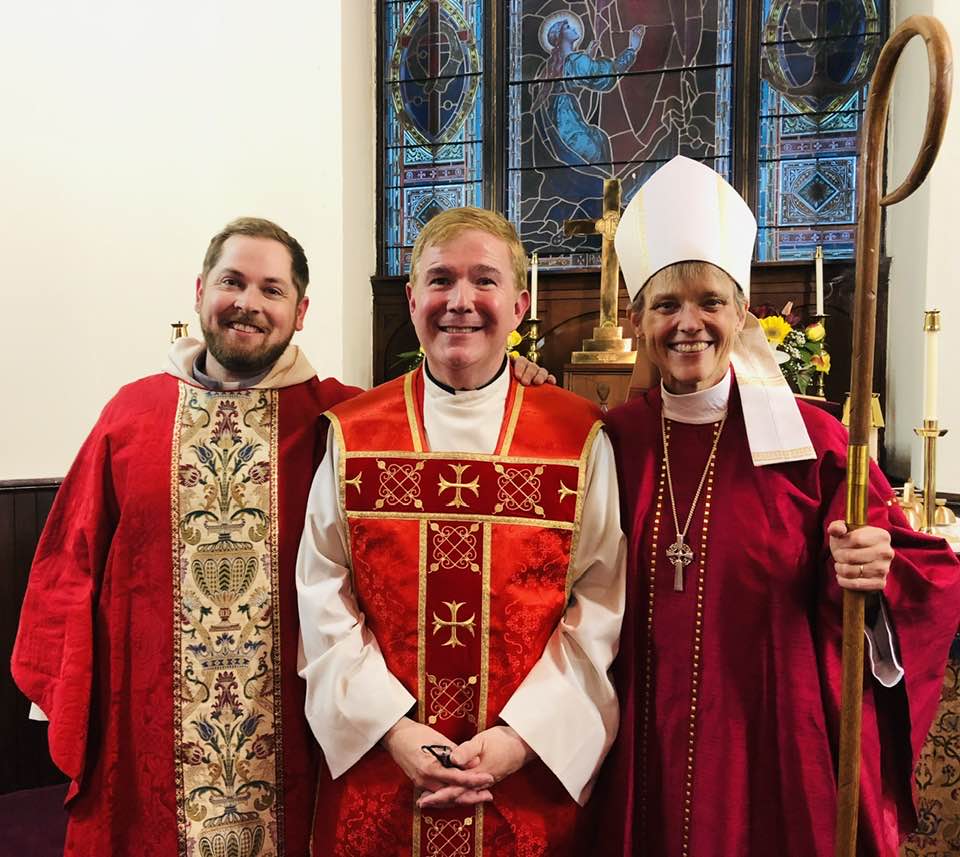
The preacher I’m talking about is the preacher described…… in today’s Gospel. The preacher I’m talking about is Jesus of Nazareth. If you continue reading the verses that follow our Gospel passage from Luke chapter 4, you will see that Jesus adds a prophetic addendum to his sermon that upsets his listeners so much that they want him dead and they try to kill him by throwing him off a cliff. That’s often what happens when preachers preach prophetically. They can infuriate their listeners who can become them violent. Of course, Jesus does eventually die a prophet’s death at the cross, but in so doing, he compels us to reflect on the role of the prophet in our lives.


In his first letter to the Corinthians, Paul speaks of the crucial role of prophets in the Body of Christ and asks rhetorically, “Are all prophets?” (1 Corinthians 12:29). His letter suggests that the answer is no, not everyone is called to be a prophet. However, Paul’s teaching makes it clear that if we are in the church and part of the Body of Christ, we will inevitably encounter prophets who will challenge us and perhaps even upset and infuriate us. I have personally felt irritated by prophets, and perhaps a bit defensive. But the Gospel challenges me to notice these feelings, to pray through them, and to not let them fester into rage and violence as they did for the people listening to Jesus in Nazareth.
The reading from the Hebrew Scripture (Old Testament) today highlights two prophets, Ezra and Nehemiah, who read the Word of God aloud and interpret it so that the people can understand it. That’s another key role for the prophet: interpreting God’s Word for the people. The fact that Ezra was a priest reminds us that some priests can be indeed prophets or perhaps be called to be prophetic at times. Lay leaders and deacons are called to be prophetic; and when bishops in the Episcopal Church are consecrated, they make a vow to “boldly proclaim and interpret the Gospel of Christ, enlightening the minds and stirring up the conscience of the people.”[1] All bishops make a vow to be at least somewhat prophetic.

And all the bishops that I know, including Bishop Mariann Budde (whom I had the privilege of meeting five years ago), do not speak prophetically without first immersing themselves in prayer, especially in prayer for the person or people to whom they are speaking or challenging. In St. Aelred of Rievaulx’s Spiritual Friendship, he talks about the role of prayer for the prophet when he says, “Remember how the Prophet Nathan offered words of genuine admonishment to David when the king yielded to lust and then added murder to adultery. Out of respect for his royal majesty, the prophet did not accuse him bluntly nor aggressively. We can even imagine the prophet praying for the king’s ultimate good when he prudently told the truth to the king through the slant of a powerful parable.”[2] We can also easily imagine Jesus praying for the ultimate good of his listeners in Nazareth when he spoke to them prophetically. And the bishops who speak truth to power do not do so without praying daily for those people in power.
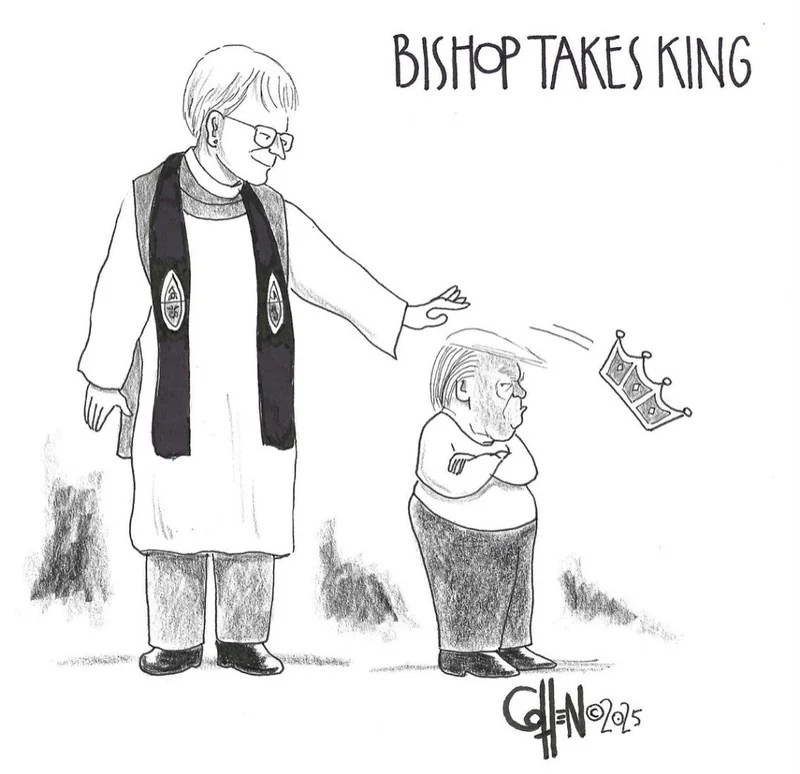
If you feel called to be a prophet or prophetic, first immerse yourself in prayer, praying not only for the vulnerable who are the prophet’s priority but also for those in power. And pray the words of today’s psalm – it’s a psalm for a prophet, especially that last line: “Let the words of my mouth and the meditation of my heart be acceptable in your sight, O LORD, my strength and my redeemer” (Psalm 19:14). If you do not feel called to be a prophet or prophetic, then please pray for our prophets because it is not a safe calling.
In today’s Collect, we prayed for God to give us grace to answer readily the call of our Savior Jesus Christ and proclaim to all people the Good News of his salvation. How is Christ calling you to proclaim the Gospel to all people? Are you being called to be prophetic? To be a prophet? Whether yes or no, pray. Pray for the most vulnerable among us; and pray for those in power; and pray for those with whom you profoundly disagree; and pray for those who might even scoff and scowl at your prayers. Pray for their ultimate good and, by doing so, you will be striving for what St. Paul calls “the greater gifts.”

[1] Book of Common Prayer, 518.
[2] St. Aelred of Rievaulx, Spiritual Friendship Distilled, distilled by Daniel London, 63 – 64.
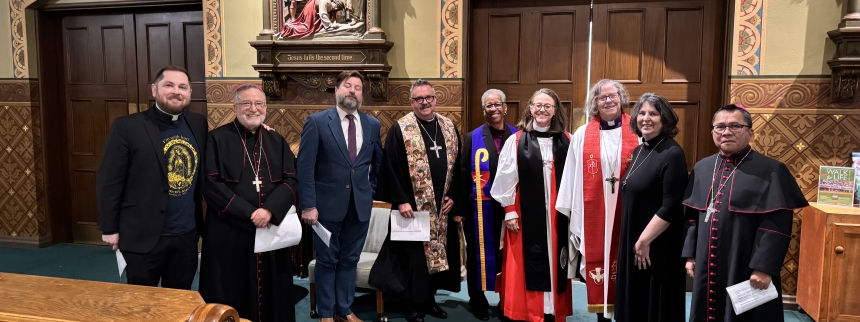


 DANIEL DeFOREST LONDON