
Readings for the Second Sunday after the Epiphany – Year C
This sermon was preached at Christ Episcopal Church Eureka on Sunday January 19, 2025.
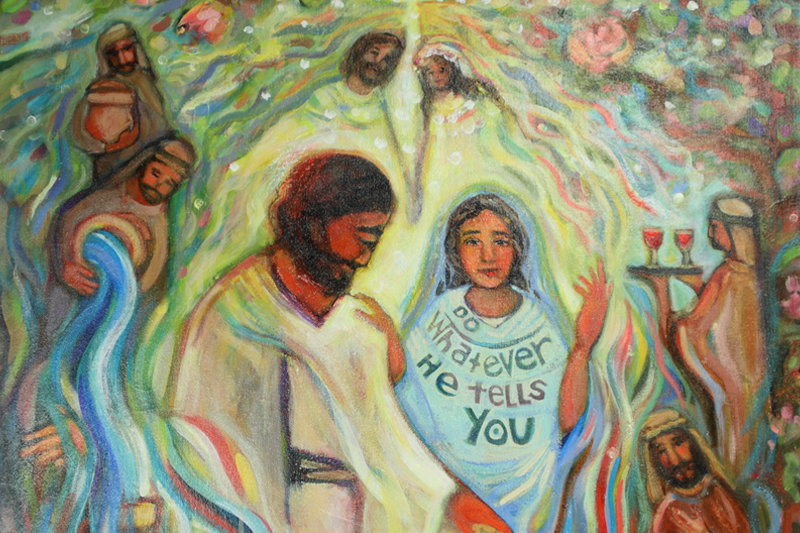
I love that our readings today are all about weddings since today we are sandwiched between the fifth wedding anniversary of Jim Hendry and Lyn Klay (which was yesterday) and the first wedding anniversary of David Tschoepe and Valerie Markin (which is tomorrow). Happy Anniversary to these two lovely couples! This last year, in 2024, I had the privilege of officiating four weddings, which is significant since before that, I had only officiated three. And the readings for today, especially the Gospel, invite me to reflect on the sacrament of marriage and the gift of committed friendships, in light of the miracle at Cana.
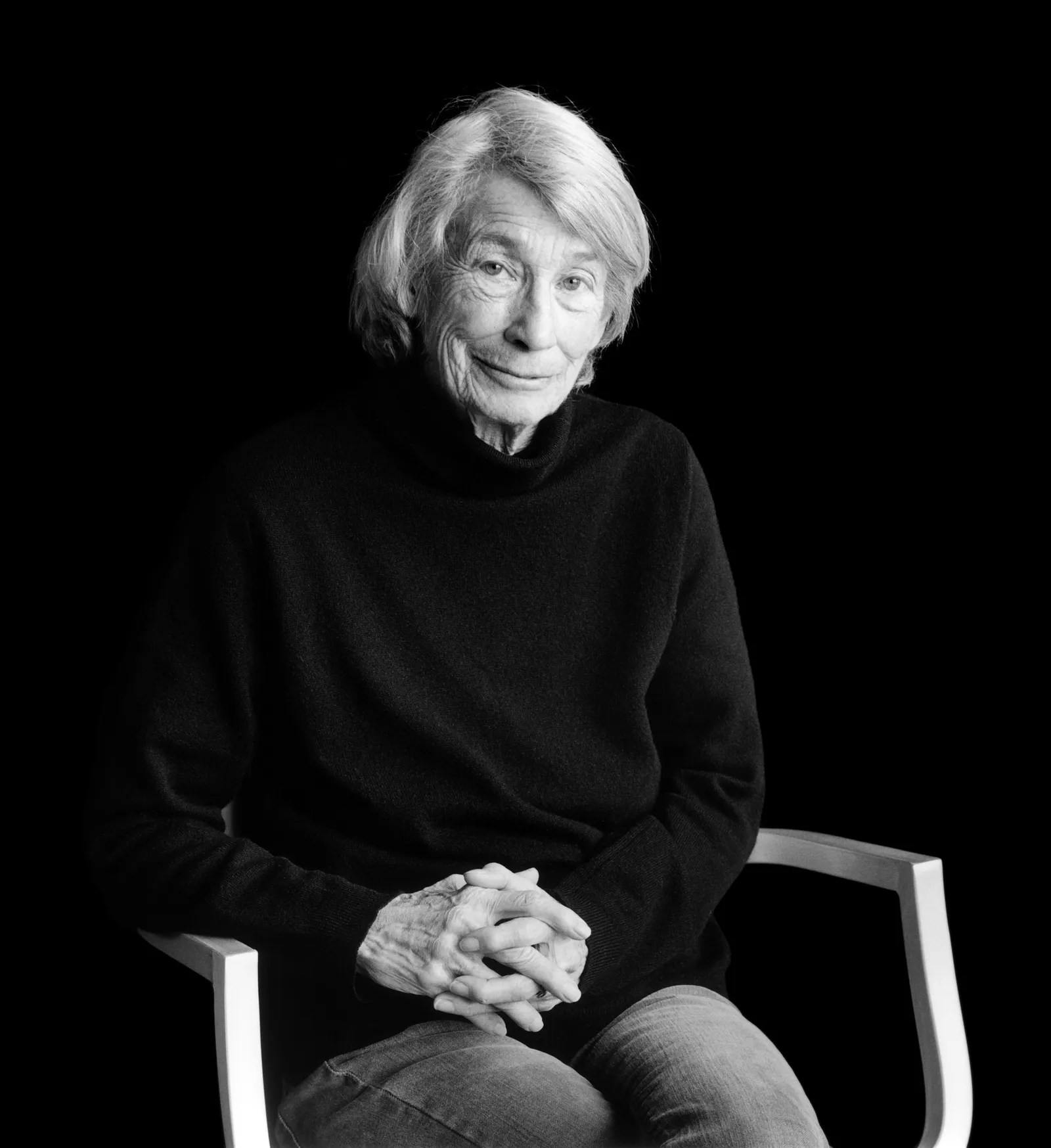
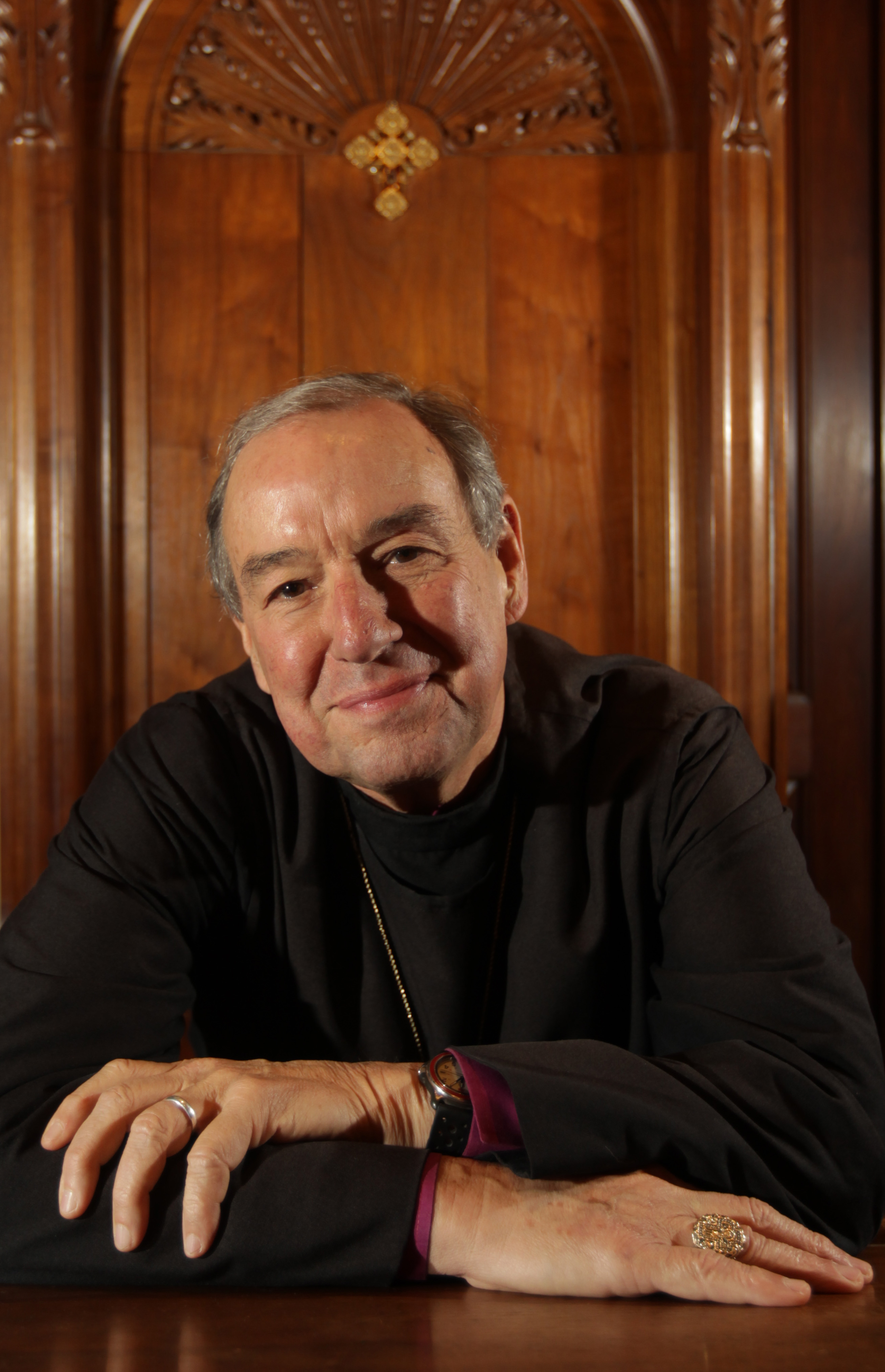
At the last wedding I officiated, I was asked to read a poem by Mary Oliver, a poet about whom I preached six years ago, soon after she died (on January 17, 2019). Some of us like to claim Mary Oliver as an Episcopalian since she wrote a poem dedicated to Episcopal bishop and monk Tom Shaw, the late bishop of Massachusetts who was also a brother at the Society of St. John the Evangelist. The poem is titled “For Tom Shaw SSJE” and it seems to recount a conversation she shared with him. It goes like this:
Where has this cold come from?
“It comes from the death of your friend.”
Will I always, from now on, be this cold?
“No, it will diminish. But always it will be with you.
What is the reason for it?
“Wasn’t your friendship always as beautiful as a flame?”
Our friendships (romantic and non-romantic) are indeed beautiful flames not only warming us up but also transforming us. In another poem of hers, often read at weddings, she writes
Not anyone who says, “I’m going to be
careful and smart in matters of love,”
who says, “I’m going to choose slowly,”
but only those lovers who didn’t choose at all
but were, as it were, chosen
by something invisible and powerful and uncontrollable
and beautiful and possibly even
unsuitable –
only those know what I’m talking about
in this talking about love.[1]
Although I’m certainly not opposed to being careful and choosing slowly and wisely when it comes to matters of love, I appreciate this idea that something invisible and powerful sweeps us up in love so that we are not so much choosing others as much as we are being chosen for others. This does not only apply to partners in marriage but also to deeply committed friends. We are chosen by something invisible and powerful and uncontrollable and beautiful and possibly even unsuitable.
C. S. Lewis said, “We think we have chosen our [friends]. In reality a few years’ difference in the dates of our births, a few more miles between certain houses, the choice of one university instead of another…the accident of a topic being raised or not raised at a first meeting—any of these chances might have kept us apart. But, for a Christian, there are, strictly speaking no chances. A secret master of ceremonies has been at work. Christ, who said to the disciples, ‘Ye have not chosen me, but I have chosen you,’ can truly say to every group of Christian friends, ‘Ye have not chosen one another but I have chosen you for one another.’ The friendship is not a reward for our discriminating and good taste in finding one another out. It is the instrument by which God reveals to each of us the beauties of others.”[2]
We are chosen by something invisible and powerful and uncontrollable and beautiful and possibly even unsuitable; and it seems that a similar spirit is at work in Jesus at the wedding in Cana. An invisible and powerful spirit transforms the water into wine; and Jesus makes clear that his is a spirit that will not be controlled. This is why he speaks in such an off-putting way to his mother because, throughout John’s Gospel, his family members often behave as if they know what’s best for him and his ministry and try to control him according to their timeline. Jesus will not be controlled. It is not until his mother says to the servants, “Do whatever he tells you”; it is not until then that Jesus takes action.
Uncontrollable and beautiful and possibly even unsuitable: Although a wedding is indeed a beautiful setting for Christ’s first miracle, there is also something a bit wild and perhaps unsuitable (from at least a Puritan perspective) about Jesus launching his ministry by bringing more wine to a wedding where the guests are already drunk.
I can’t help but see Jesus’s beautiful and wild miracle at Cana as more than just his way of adorning the covenant of marriage as we say it is in our marriage liturgy, but also as a commentary on this manner of life. Perhaps the transformation of the water into wine resembles and symbolizes the transformation that takes place within each of us in marriage and in all our committed relationships. God brings people into our lives for our own sanctification. This includes people whom we find challenging, and this includes those particular traits in our friends and partners that we might find challenging or irritating. The challenges we face in our relationships are the spiritual catalysts that can transform us like water into the finest wine, as long as we don’t give up and leave whenever things become difficult. Some psychologists argue that the real work of love does not really begin until significant challenges are faced together, until the honeymoon phase is over. How many marriages end prematurely because the partners are not willing to undergo the profound transformation of being changed from water into wine? And how many friendships end prematurely?
It’s important to say that I am certainly not encouraging anyone to remain in an abusive relationship. Rather, I am encouraging us to trust the invisible, powerful, beautiful and wild spirit that has brought certain people into our lives as friends, as lovers, as spouses, as fellow parishioners, as pew buddies, as neighbors. I am encouraging us to trust that “a secret master of ceremonies” is at work in transforming us, through these relationships, like water into wine. And through this transformation, we not only become like fine wine for a wedding, we also increase our capacity to be true lovers of a God who says to each of us as he said through the prophet Isaiah, “I delight in you…as a young man marries a young woman, so shall I marry you, and as the bridegroom rejoices over the bride so shall I rejoice over you.” May it be so. Amen.
[1] Mary Oliver, “Not Anyone Who Says.”
[2] C. S. Lewis, The Four Loves

 DANIEL DeFOREST LONDON