
Readings for the First Sunday after Christmas
This sermon was preached at Christ Episcopal Church Eureka on Sunday December 29, 2024.
Three days ago, on December 26th, the Eve of the Feast Day of St. John the Theologian, we lost another theologian named John: John Boswell Cobb Jr., who died a couple months shy of his 100th birthday. Just a few days ago, John Cobb was considered to be the greatest theologian alive. He was the leading scholar in a field known as process theology, which is a theology based on the work of philosopher Alfred North Whitehead that challenges some widely held tenets of classic theism, such as the omnipotence and omniscience of God. John Cobb and process theologians understand God as in process with us, God as more “becoming than being”; and they insist that this view of God is rooted in the Bible, especially in what the Gospels reveal about Jesus’s own experience and understanding of God, as his Abba. John Cobb was a pioneer in environmental ethics and interfaith dialogue, particularly Christian-Buddhist dialogue. He taught as a visiting professor at Harvard Divinity School and has been influential in the disciplines of biology, economics, and social ethics; he is known for saying clearly that “there are more scriptural reasons to oppose homophobia than to oppose homosexuality.”[1]
John Cobb also wrote about the subject of today’s Gospel, the Incarnation, the mystery of the divine Word becoming flesh. According to Cobb, “the incarnation is not simply to be identified with Jesus, but rather with the divine, redemptive reality conceived as wholly immanent in history,” meaning that the “Christ” or “incarnate Word” is not just Jesus himself, but rather God’s active presence within the world, experienced through Jesus’s life and teachings; and experienced in community, experienced in the Body of Christ that is the Church and experienced in our own bodies, which are temples of the Holy Spirit.
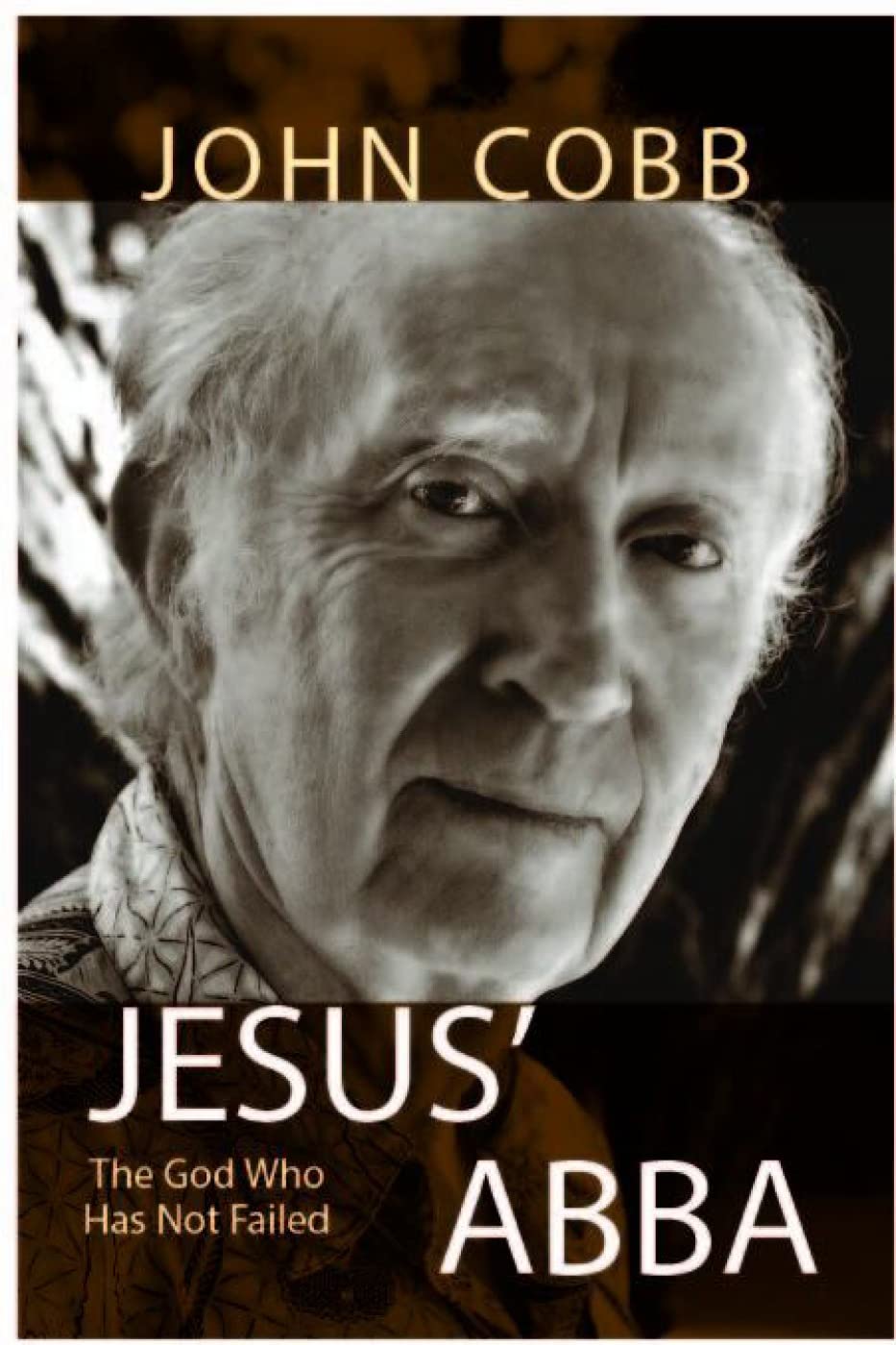
In one of Cobb’s more popular and accessible books titled Jesus’ Abba: The God Who Has Not Failed, he writes about what Paul describes in our reading from Galatians this morning when Paul says, “Because you are children, God has sent the Spirit of his Son into our hearts, crying, “Abba! Father!” (Galatians 4:6). Cobb understands our divine “Abba” as intimately involved in each of our lives, in our process of growth towards wholeness. He writes, “I believe that Abba is in every cell in the body calling it to do its part for its own well-being and for the well-being of the whole. When we pray for healing for ourselves, we are aligning ourselves with Abba’s working within us. We are also directly affecting our bodies, encouraging the cells to be open to what Abba wants to do in them and with them.”[2]
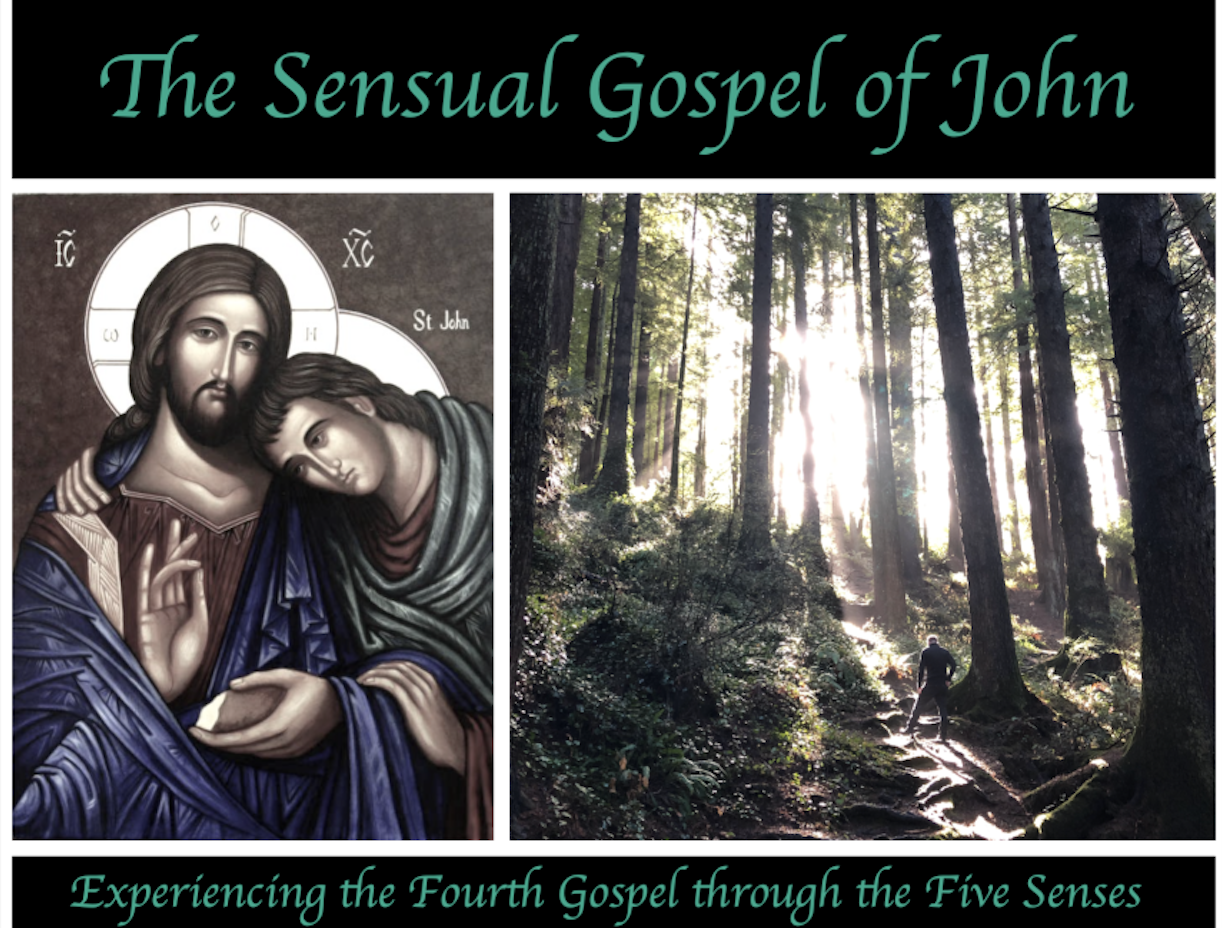
It is this divine love and care for our bodies that I underscore every Christmas season. One does not need to become a process theologian to understand that the Incarnation of Christ at Christmas invites us to appreciate our own bodies “as the place where Christ lives.” This teaching, expressed in the Gospel of John, has been emphasized throughout the centuries, especially by Anglicans. In fact, it was this particularly Anglican emphasis on appreciating the body and the senses that I highlighted in the presentations I gave to the monks at the SSJE in Cambridge earlier this month. By sharing with them this Anglican way of reading John’s Gospel, I was affirming much of what they already value as a monastic community. According to their Rule of Life, they each have a day of rest which “enables [them] to play and exercise and enjoy the use of [their] senses.”[3] In the chapter on Celibate Life, their Rule states, “When we meditate we should truly pray with our bodies, and dwell on the glory with which the indwelling Spirit endows them. We are to reverence our bodies.”[4]
One of the former Superiors of the society, Martin L. Smith, echoes this Anglican invitation to appreciate the body and the senses when he writes,
Many of us soaked up in our childhoods a lot of shame about our bodies. The education we received developed the intellect but often did little to cultivate our senses or intensify our awareness of beauty or foster our sense of intimacy with nature. The supposedly Christian spirituality handed on to us was eloquent about restraint and morality and tended to deepen rather than heal our suspicion that the senses, our bodies, and sexuality were essentially enemy territory for God. The secular ethos of consumerism that encourages our gratification of every sense offers no healing either. It leaves untouched the cold core of self-hatred that masses of people carry in their bodies.[5]
This former Superior of the monastery acknowledges the obstacles that prevent us from developing a healthy relationship with our bodies and writes,
Exploring through prayer the truth about my attitude to my body, and Christ’s attitude towards it as the place where he lives, is a vulnerable business. It includes the healing of memories where I learned, perhaps through ridicule, to despise some elements of my appearance…It turns me outward to the world, and gets me to ask for grace day by day to delight in my senses and use them to stay alert, connected, and appreciative.[6]
The Gospel of John, which proclaims the Word was made flesh, invites us to appreciate our own flesh and to delight in our senses: to listen to the wind with Nicodemus, to enjoy the gift of taste with the Samaritan woman, to expand our sight and vision with the man born blind, to appreciate the aromas of oils with Mary, and to touch and be touched by the Risen Christ. Finally, the Gospel of John invites us to rest and abide in the one whom Christ called “Abba.” In honor of the late John Cobb and St. John himself, may we all find ways to reverence our bodies, to delight in our senses, and to rest and abide in Abba, especially during these remaining days of the Christmas season, so we can all be refreshed by the Word made flesh.
[1] https://dignitycanada.org/sin.html
[2] John Cobb, Jesus’ Abba: The God Who Has Not Failed (Fortress Press: Minneapolis MN, 2016), 81.
[3] The Rule of the Society of the Saint John the Evangelist: North American Congregation (Cowley: Lanham MD, 2009), 91.
[4] The Rule of the SSJE, 21.
[5] Martin L. Smith, A Season for the Spirit: Readings for the Days of Lent (Cowley: New York, 1991), 70.
[6] Martin L. Smith, A Season for the Spirit, 71.

 DANIEL DeFOREST LONDON