
Readings for the Twenty Fifth Sunday after Pentecost (Year B – Track 1 – Proper 27)
Ruth 3:1-5; 4:13-17
Psalm 127
Hebrews 9:24-28
Mark 12:38-44
This sermon was preached at Christ Episcopal Church in Eureka CA on Sunday November 10, 2024.

May the words of my mouth and music of all our hearts be pleasing to you, O Lord, our strength and our liberation. Amen.
It’s good to be back from my travels with Seabury and Gubbio, my Yorkies who joined me in my road trip to Santa Barbara, where I reunited briefly with my beloved wife and then officiated the wedding of my dear friend, David Odorisio, who has guest preached here a couple times. During that time, our country elected a president, and our church installed a new presiding bishop, the Most Reverend Sean Rowe. While our emotions may run the gamut from utter devastation to absolute delight regarding the results of the presidential election, our Scripture readings today offer hope and encouragement to us all.
The reading from the Hebrew Scriptures is a short portion from the four-chapter-long book of Ruth, which begins in tragedy and hopelessness. During a time of famine and questionable leadership in the land, a woman named Naomi loses her beloved husband and then, not long after that tragedy, loses her two only sons. In biblical times, there are no life insurance policies, social security or welfare programs to support widows, so Naomi and the widows of her two sons are hopeless and destitute. However, the younger widows Orpah and Ruth are still young enough to remarry and have children, so Naomi sends them both away saying,“May you each find another husband, but as for me, I’m hopeless. I’m old. My life is bitter. In fact, I’m so bitter that I’m going to change my name from Naomi to ‘Bitter’ because God has clearly abandoned me.” After lots of weeping, Orpah kissed her mother-in-law goodbye, but Ruth clung to Naomi and said these words, “Where you go, I will go. Your people will be my people and your God my God” (Ruth 1:16). These words from Ruth inspired the wedding vows used in the marriage ceremony of the New Zealand Anglican Prayer Book, which happened to be the vows I used at the wedding last weekend as well as the vows Ashley and I used at our wedding eight years ago: “Wherever you go I will go. You are my love. God keep me true to you always and you to me.
During times of tragedy and hopelessness, we don’t give up, but, like Ruth, we cling even more tightly to our loved ones, and we reaffirm our commitments and our vows, including our baptismal vows, which might be the most important vows we ever make: vows to resist evil, to proclaim the Good News of God in Christ, to seek and serve Christ in all persons, and to strive for justice among all people, respecting the dignity of every human being, especially those who are poor and vulnerable.
As the story of Ruth continues, we meet a Jewish farmer named Boaz who understands God’s preferential option for the poor and vulnerable. As a good Jewish farmer, Boaz knows the teaching in the Torah in which God says, “Whenever you are harvesting in your field and you overlook a sheaf, do not go back to get it, but leave it for the immigrant, the orphan, and the widow, so that the Lord your God may bless you in all the work of your hands” (Deuteronomy 24:19). God blesses those who provide for the immigrant, the orphan, and the widow. While Ruth and Naomi are trying to figure out how they are going to survive, Ruth decides that she will try picking up the leftovers in a nearby field and fortunately that field happens to belong to the compassionate Jewish farmer Boaz.
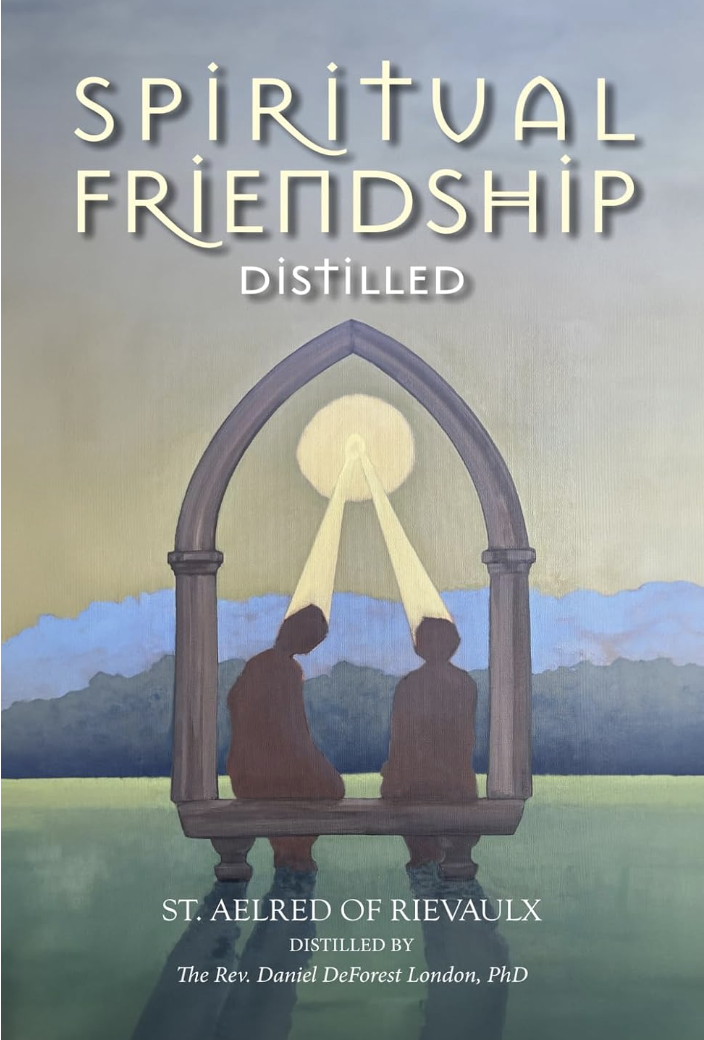
In the great medieval spiritual classic titled Spiritual Friendship by St. Aelred of Rievaulx, Boaz is honored as an ideal spiritual friend. When St. Aelred speaks to his monks, he says, “Remember when Boaz saw Ruth collecting ears of corn behind his reapers. He ordered his reapers to leave extra for her in such a way that did not shame her. May we also anticipate the needs of our friends and meet their needs lovingly, almost as if they were doing us a favor.”[1] After showing compassion to this poor immigrant widow (Ruth), Boaz is indeed blessed by God as he falls in love with Ruth, marries her, and eventually becomes a co-parent with her to their beloved son Obed. Ruth and Boaz then both become great grandparents to King David and thus direct ancestors to Jesus of Nazareth.
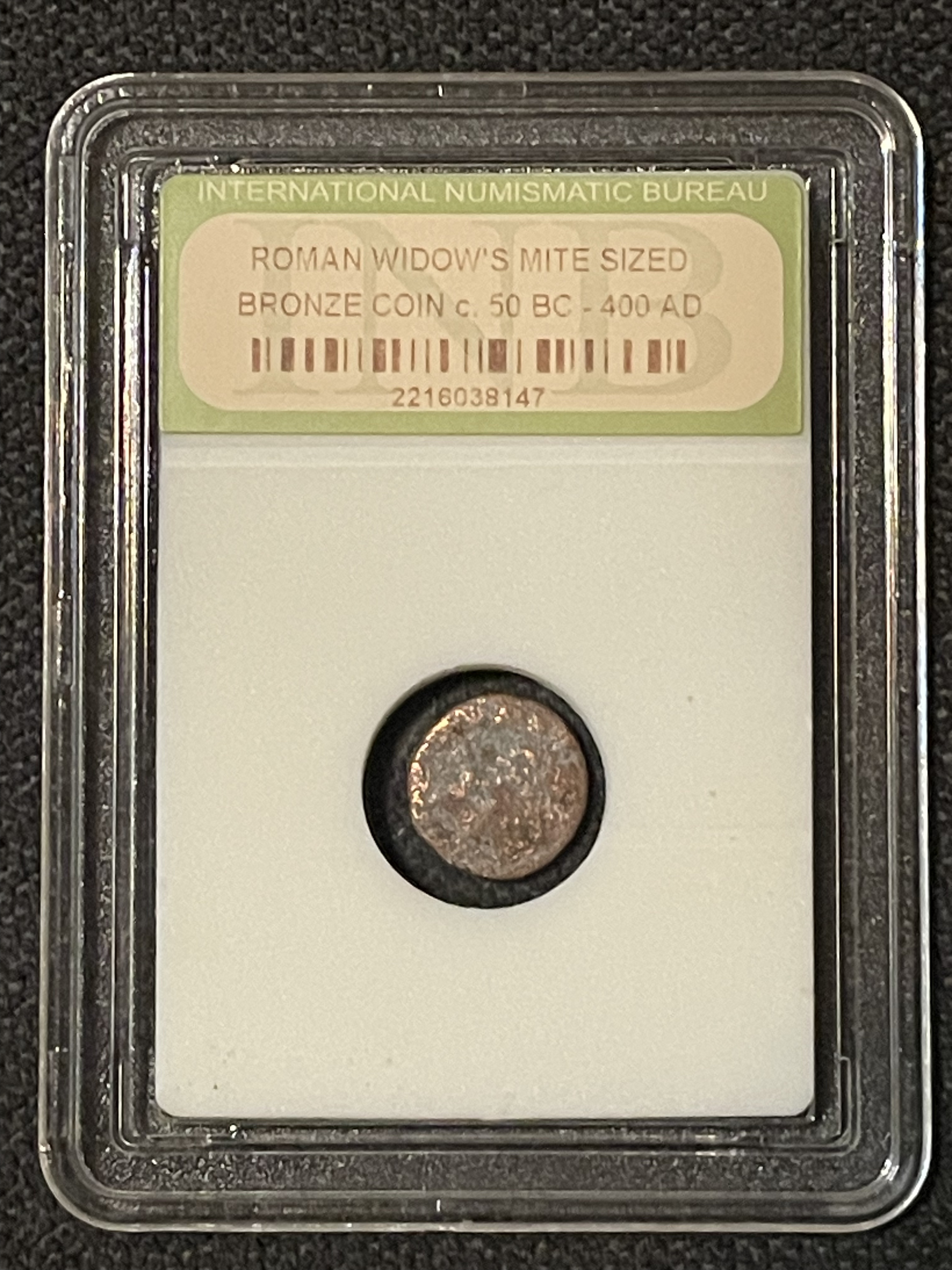
So, when Jesus of Nazareth sees poor widows being exploited by rich and powerful egomaniacs who use religion for their own personal glory, he cannot help but become protective of the widows who remind him of his great grandmother Ruth, and he cannot help but become indignant and insist that these self-absorbed swindlers of spirituality will receive the “greater condemnation.” And when Jesus of Nazareth sees the widow offer her two small copper coins to the temple, he praises her because, unlike the wealthy who gave just a small portion out of their abundance, she gave all she had to live on; and because she, like Ruth, responded to the tragic and hopeless situation of her poverty not by giving up and falling into despair but by giving herself all the more fully to her God, by reaffirming her commitments and vows, and by clinging ever more tightly to the promise of God’s kingdom of justice and peace. Whether you are feeling hopeless or hopeful, in a state of triumph or tragedy, this is a time to reaffirm your vows and your commitments to the Lord, to help the immigrant, the orphan, and the widow,[2] to give ourselves more fully and more generously to God (like Ruth and like the widow in the temple) and to cling all the more tightly to the hope and promise of God’s kingdom of justice[3] and peace and joy. Amen.

[1] St. Aelred of Rievaulx, Spiritual Friendship Distilled, translated by Daniel London (Apocryphile Press: Hannacroix NY, 2024), 61.
[2] “The only kind of religion that God is interested in is one that looks after orphans and widows in their distress and that steers clear of the corruption of the wealthy” (James 1:27)
[3] The arc of the moral universe is long, but it bends, even along a seemingly crooked path, towards justice.


 DANIEL DeFOREST LONDON