
Readings for the Twelfth Sunday after Pentecost (Year B – Track 1 – Proper 14)
This sermon was preached at Christ Episcopal Church in Eureka CA on Sunday August 11, 2024.
“Putting away falsehood, let all of us speak the truth to our neighbors, for we are members of one another.” Ephesians 4:25
“Truly, Truly, I tell you, whoever believes has eternal life.” John 6:47
Over this last week and a half, I’ve been helping my wife Ashley furnish and move into her new apartment in Cambridge MA, located about a half a mile away (West) of Harvard Divinity School, where she will be teaching for the next ten months. (She’s back here now and we’ll have a chance to say goodbye to her this weekend and next weekend before she returns to Cambridge). Her apartment is also about a half a mile away (North) of the oldest church building in Cambridge MA, built in 1760 (over a century before our historic parish was founded). You can probably guess which denomination gathers in this oldest church building: Episcopalians, of course! And the church is called Christ Church!
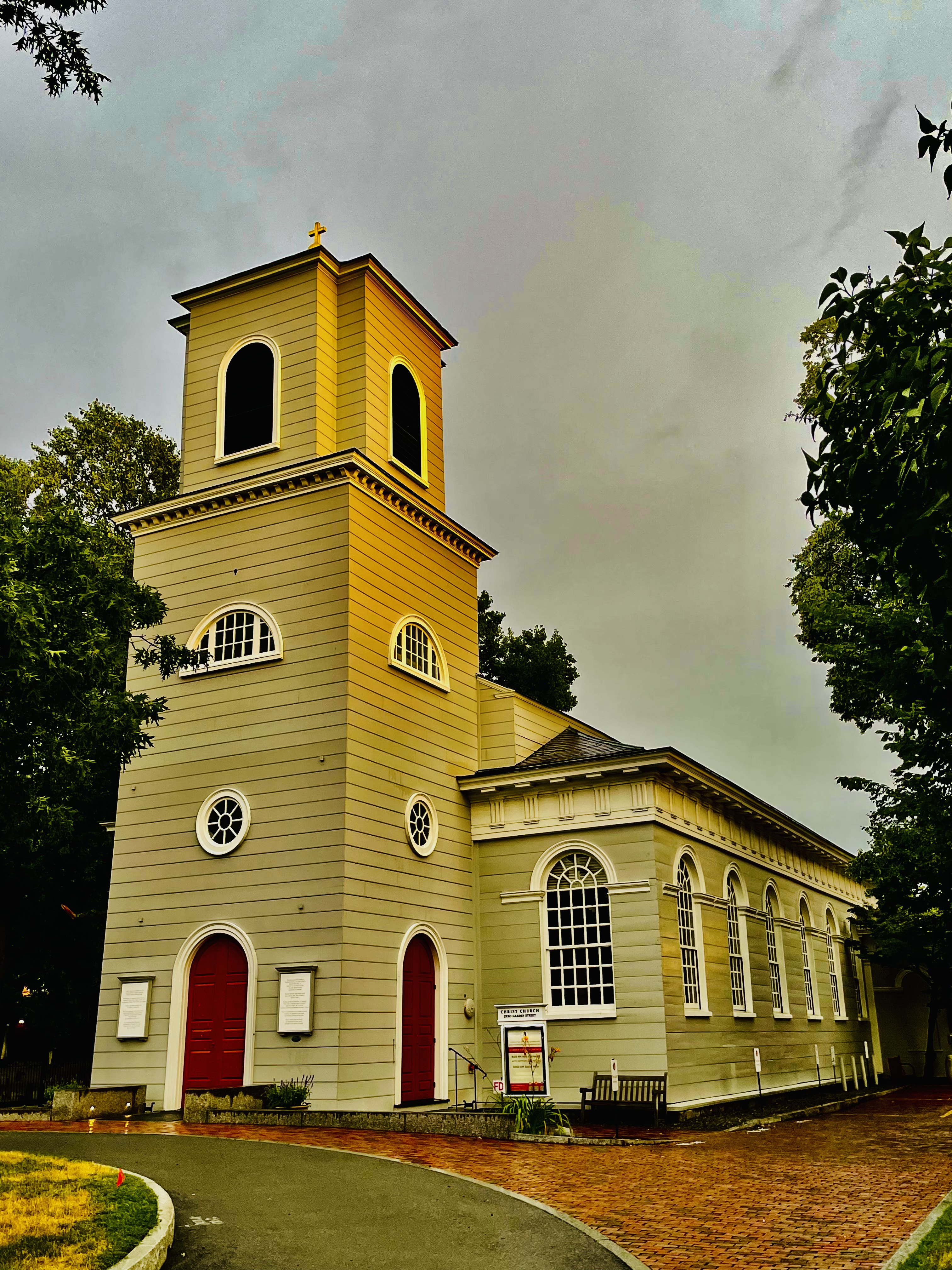
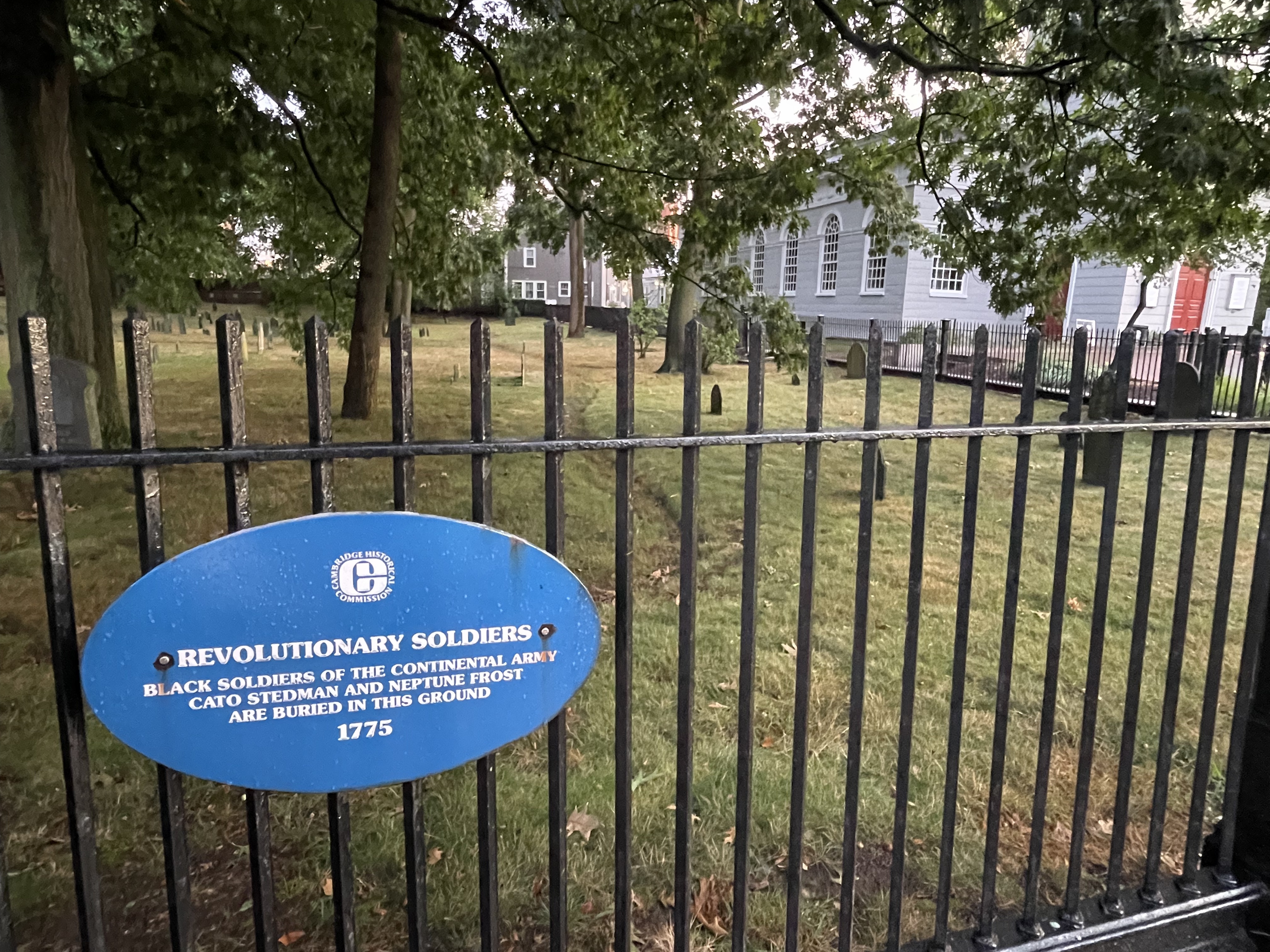
Since our Hebrew Scripture reading today recounts a rebellion against a king, it’s worth pointing out that Christ Church Cambridge is located directly adjacent to the place where George Washington first took command of the American Revolution’s Continental Army. The church is also right up against Old Burial Grounds where two black soldiers of the Continental army are buried, Cato Stedman and Neptune Frost.[1]. George Washington and his wife Martha worshipped at Christ Church Cambridge in 1775, and during the American Revolution itself, the organ of Christ Church was melted down for bullets. Lord, may that never be the case for our church organ here or for any organ for that matter!
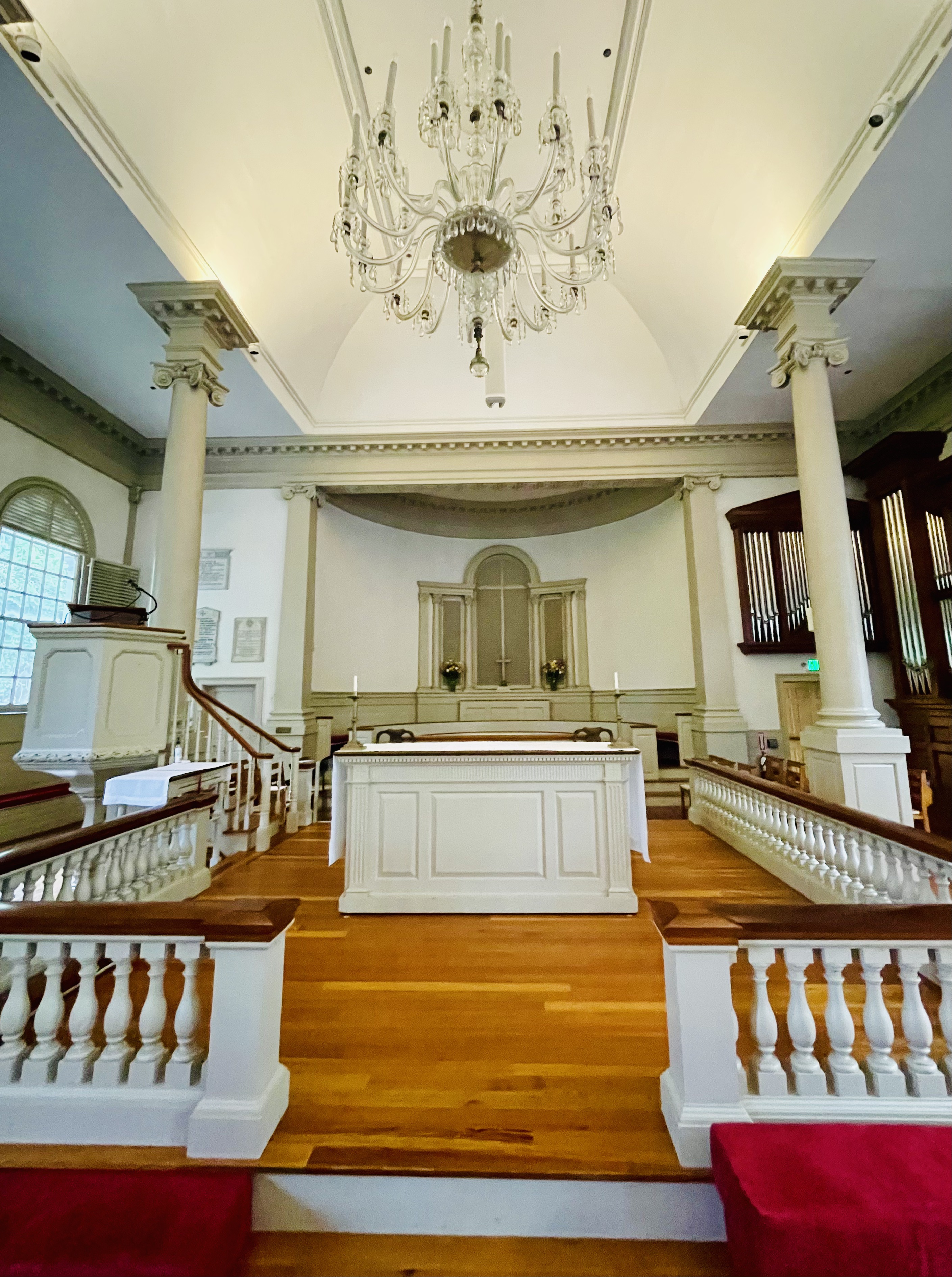
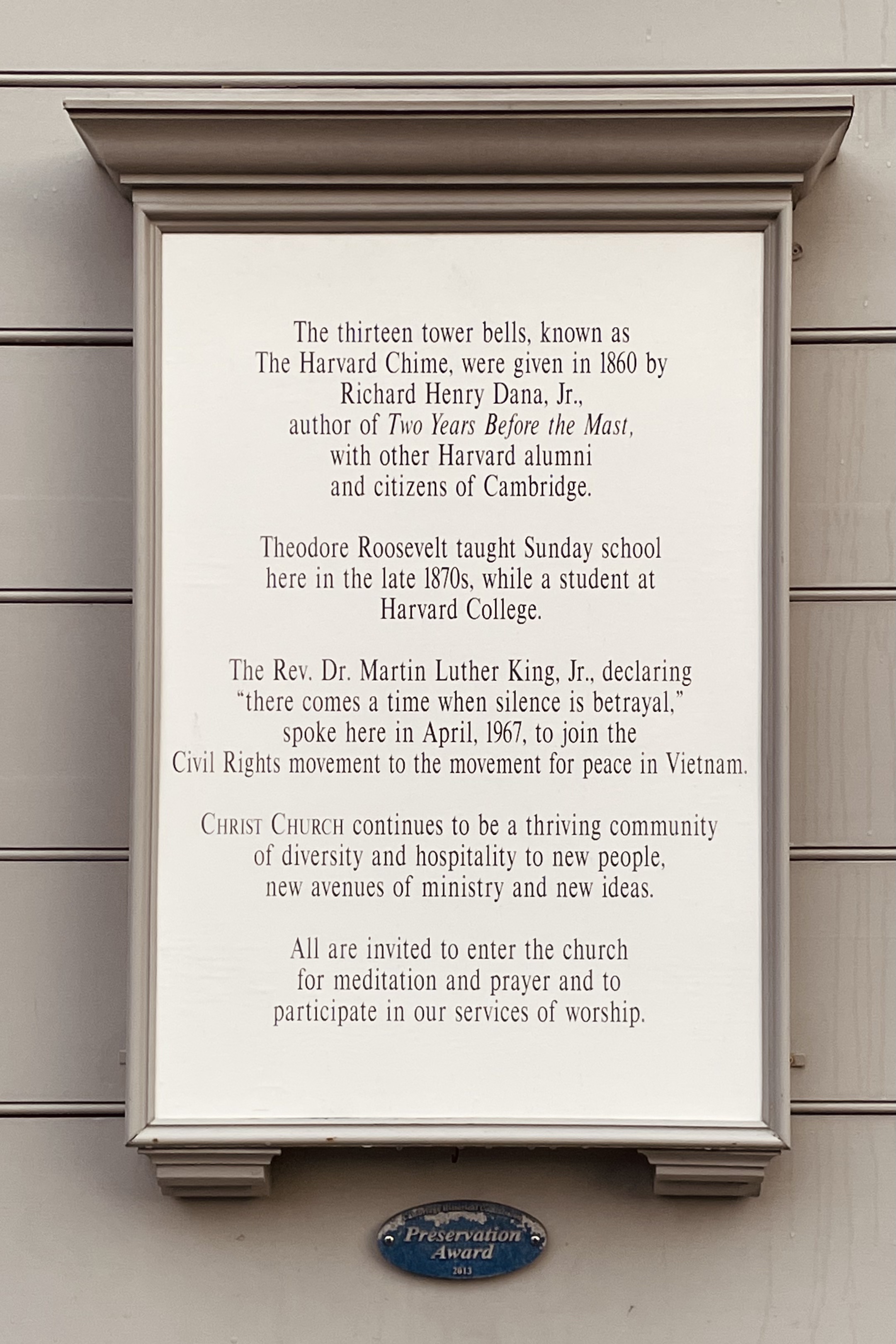
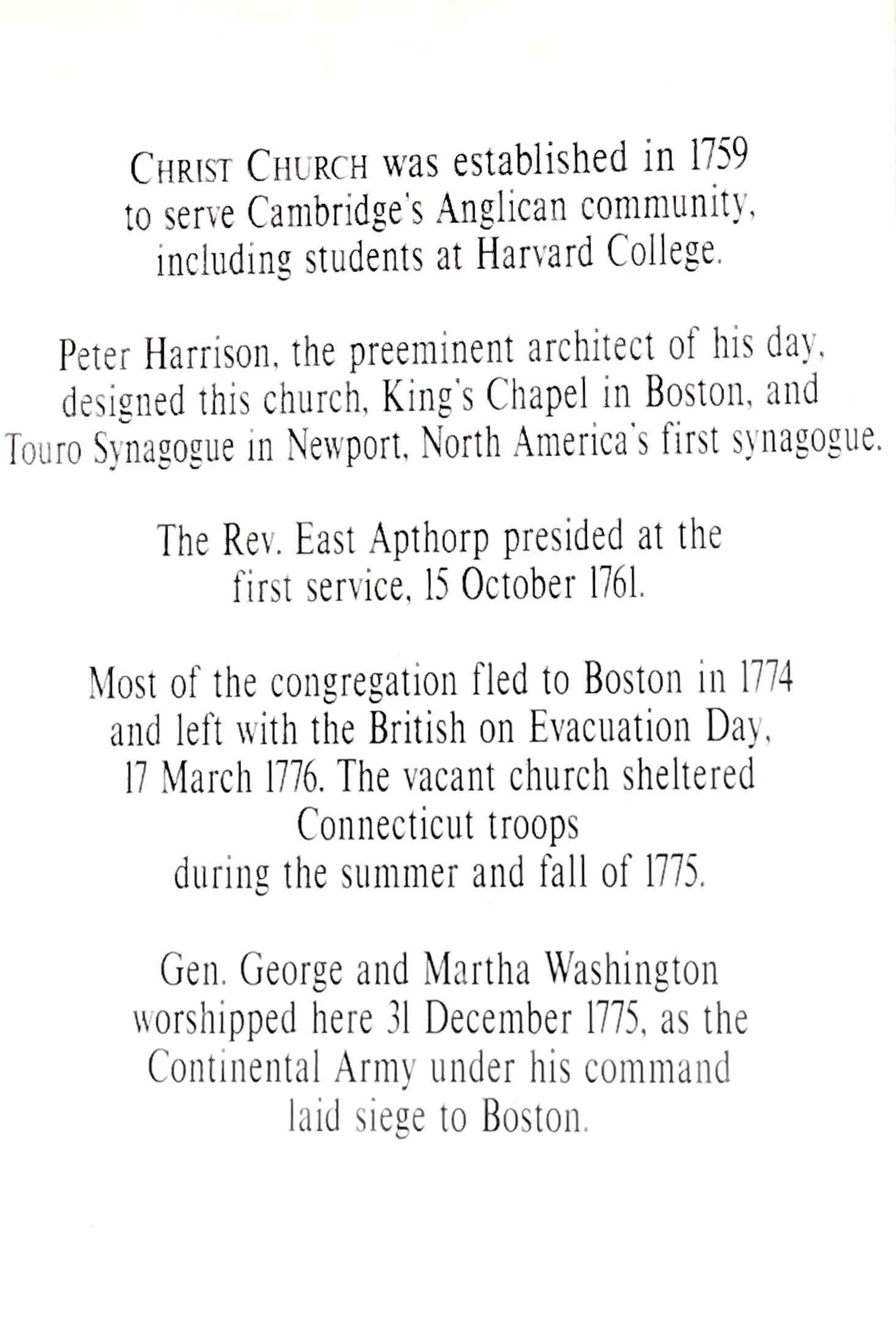
Christ Church and the city of Cambridge are both studded with rich historical landmarks and yet also bursting with a matchless vitality as Harvard students crowd the streets, flowing as the lifeblood through the heart of the city, which is Harvard Square. When Ashley and I attended the Monday evening Contemplative Prayer service at Christ Church Cambridge, we were warmly welcomed and also impressed (if not also a bit surprised) by how upfront and honest the congregation was about the shadow side of its history, especially its roles in perpetuating racial inequities. They had a sign right outside its front doors with the following words written in bright red letters: “Telling the Truth About Our History.” Underneath that title, the sign read, “We acknowledge Christ Church, Cambridge’s connections to slavery and are learning more to bring the full truth of our history to light. We have learned that some founding members and early benefactors were enslavers, and other parishioners profited from the slave trade and its adjunct enterprises. We recognize that the construction and early growth of Christ Church were substantially based on proceeds from the labor of enslaved people. We are actively researching our archives and we continue to participate in racial justice work that seeks to repair the breach in society and institutions.”
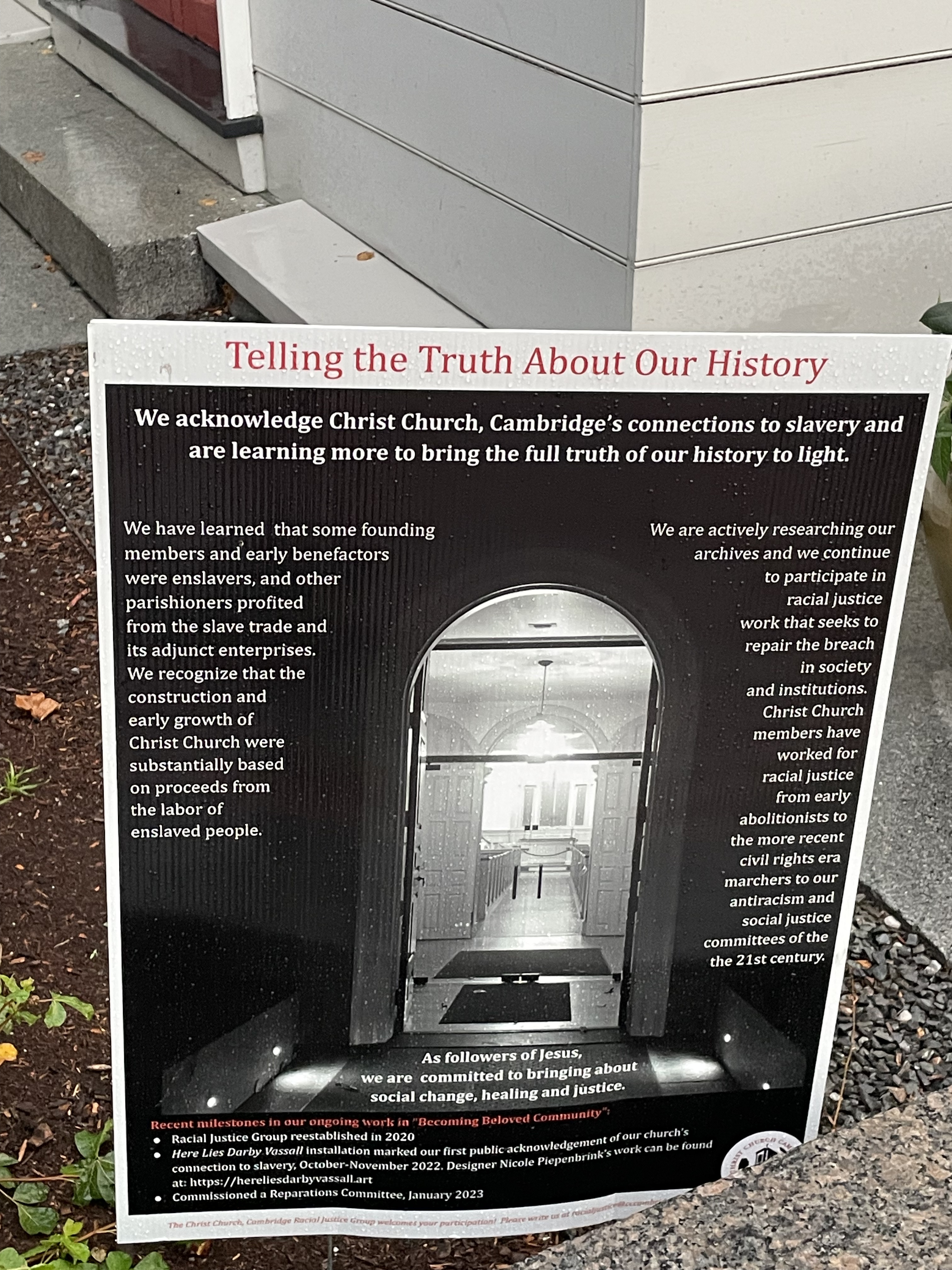
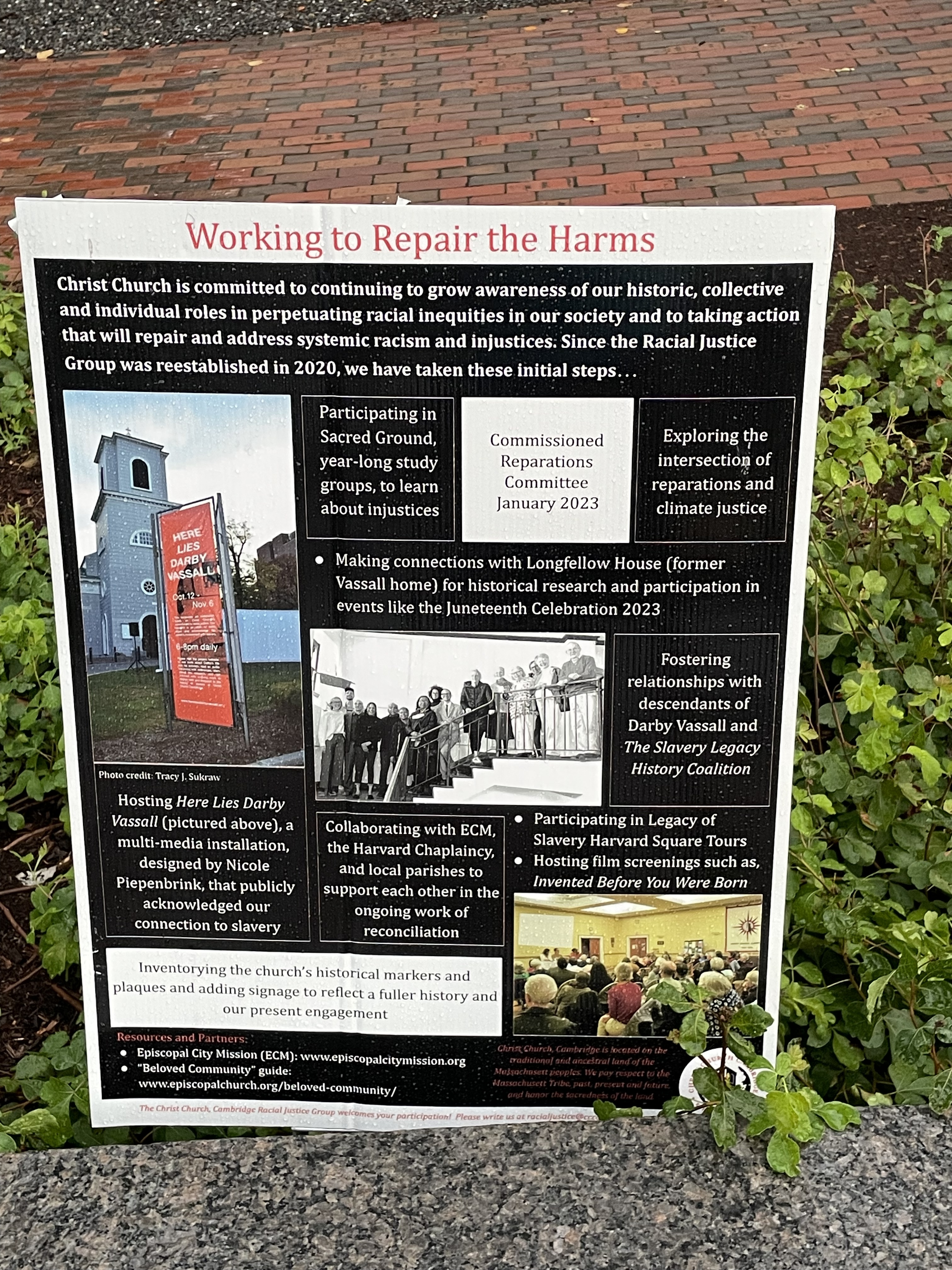
The congregation was telling some of the hard truths about their history, not as a way of virtue signaling or grandstanding but as the first necessary step towards healing and reconciliation and welcoming others who may still be wounded by intergenerational traumas. As Desmond Tutu said, “There can be no healing without truth.” They were telling the truth about past injustices not to make the congregation feel guilty but rather to help them practice introspection and reflection lest they ever fall back into similar behaviors or patterns that perpetuate injustices today. They were telling the truth because the Bible tells us to “speak the truth to our neighbors, for we are members of one another.” In telling the truth, they also resisted the temptation to oversimplify history by portraying one group of people as wholly guilty and another group as wholly innocent. They pointed out that many “Christ Church members have worked for racial justice from early abolitionists to the more recent civil rights era marchers to [the] antiracism and social justice committees of the 21st century [including their more recent Racial Justice Group].”[2]
I wonder what this kind of truth-telling would like here at Christ Church Eureka and in our own individual lives…
Telling the truth to our neighbors is part of our responsibility as Christians: telling the truth as a community and also telling the truth as individuals. We know how essential this is for the health of our relationships and we also know how difficult truth-telling can be, especially when it compels us to look at parts of ourselves of which we might not be proud. The key is to tell these hard truths within the context of compassion. Desmond Tutu understood that without compassion and forgiveness, telling hard truths can perpetuate even more violence and injustice, reinforcing and ossifying divisions.[3] This is why telling hard truths in the church must always be guided by the One whom we call the Truth.
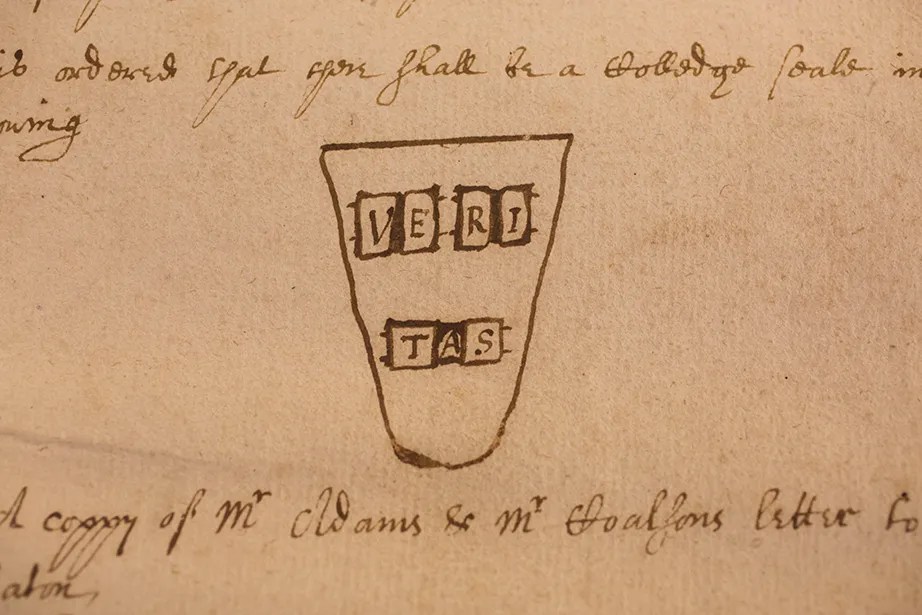
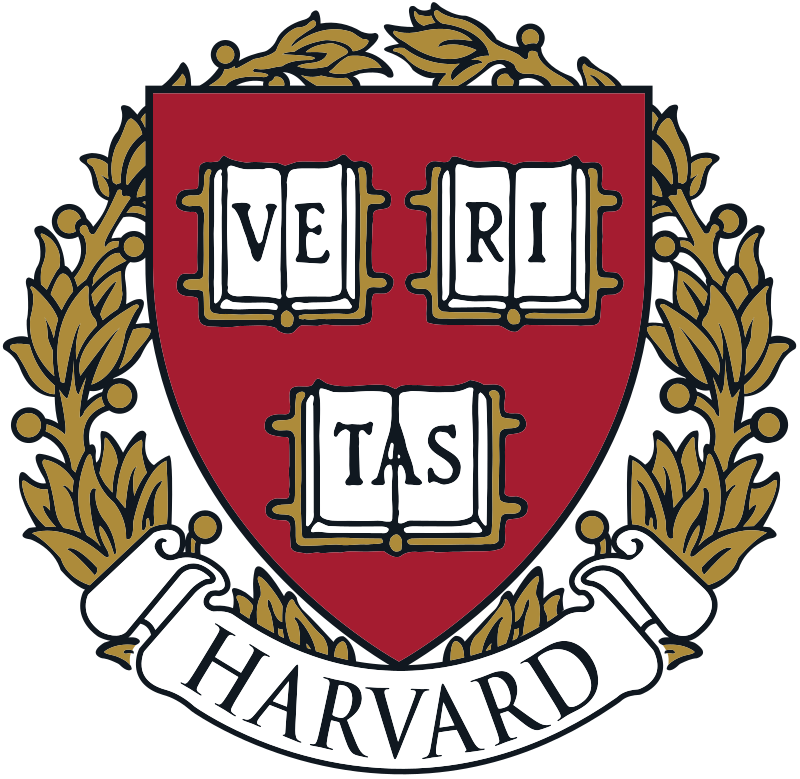
If you walk around Harvard, you will see the University’s motto written on a coat of arms across three open books. In the pages of the first open book are the letters “VE,” the second open book displays the letters “RI” and the third book displays “TAS.” VERITAS, the Latin word for Truth. When Harvard was originally founded in 1636, the motto was “In Christi gloriam” (To the glory of Christ), but then, seven years later, the first president Henry Dunster changed the motto to “Veritas,” a motto that has remained relevant for the mostly secular university today. However, historians believe that Henry Dunster, a Puritan minister, understood the motto “Veritas” as a clear reference to the One who identified as the Way, the Truth, and the Life, as the one who said you shall know the truth and the truth shall set you free, as the one who speaks hard truths to his listeners in today’s Gospel but always with compassion: the Rabbi Jesus Christ who said, “Very truly, whoever believes has eternal life.” … So, very truly / Amen, Amen / Veritas, Veritas, whoever believes that hard truths spoken in love can set us free and who trusts in the One who is divine Truth will indeed have eternal life.
May we have the courage to speak the truth to our neighbors in the context of compassion, guided by the divine Veritas. Amen.
[1] Also, the Old Burial Grounds is the site of the oldest surviving gravestone of a Black Person in the Americas: an enslaved servant woman of a Harvard tutor named Cicely. https://theconversation.com/cicely-was-young-black-and-enslaved-her-death-during-an-epidemic-in-1714-has-lessons-that-resonate-in-todays-pandemic-147733
[2] The congregation reestablished a Racial Justice Group in 2020.
[3] “Without forgiveness, we will remain stuck and controlled by those who have hurt us.” – Desmond Tutu

 DANIEL DeFOREST LONDON