
Readings for the Fifth Sunday in Lent
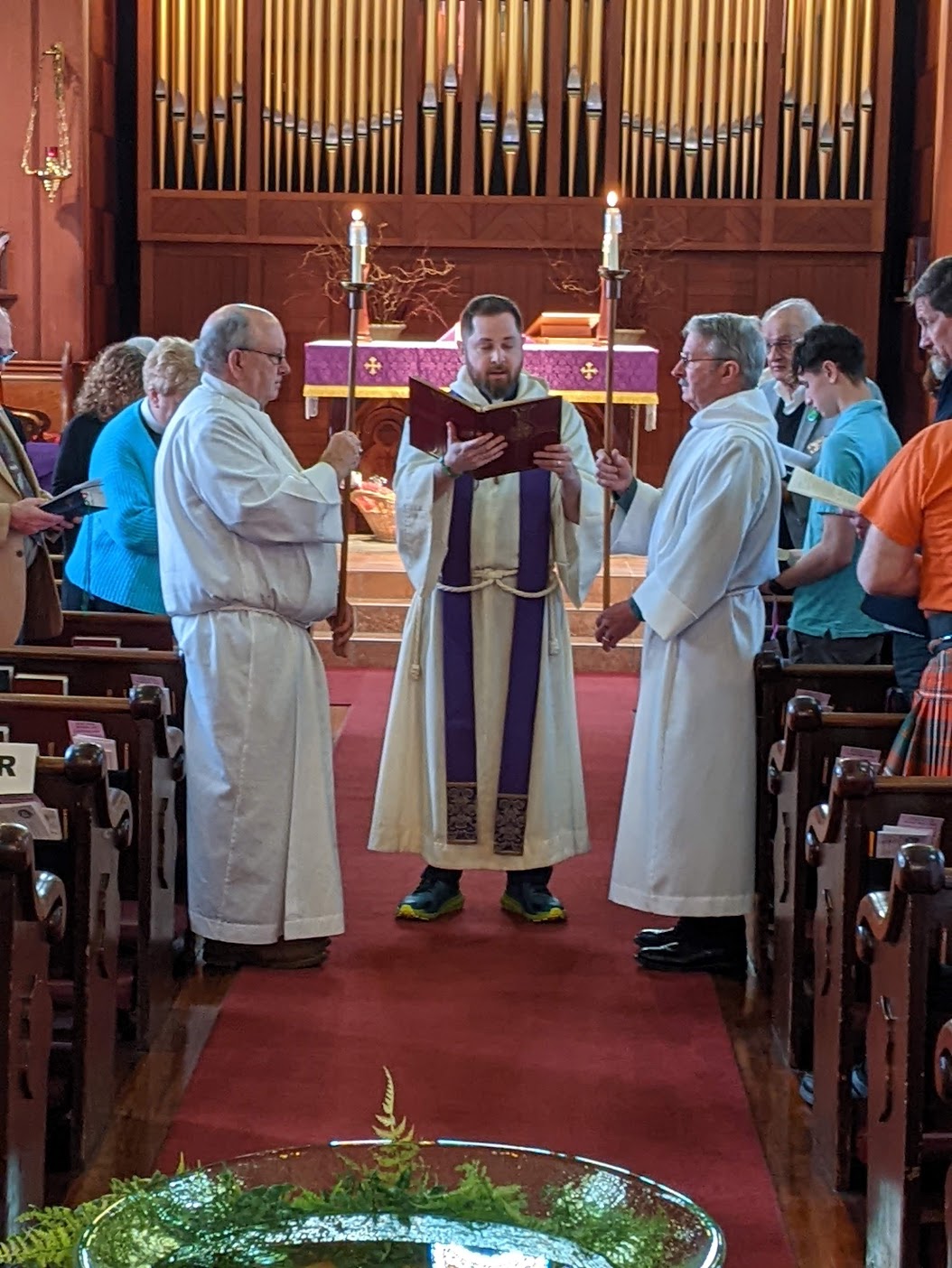
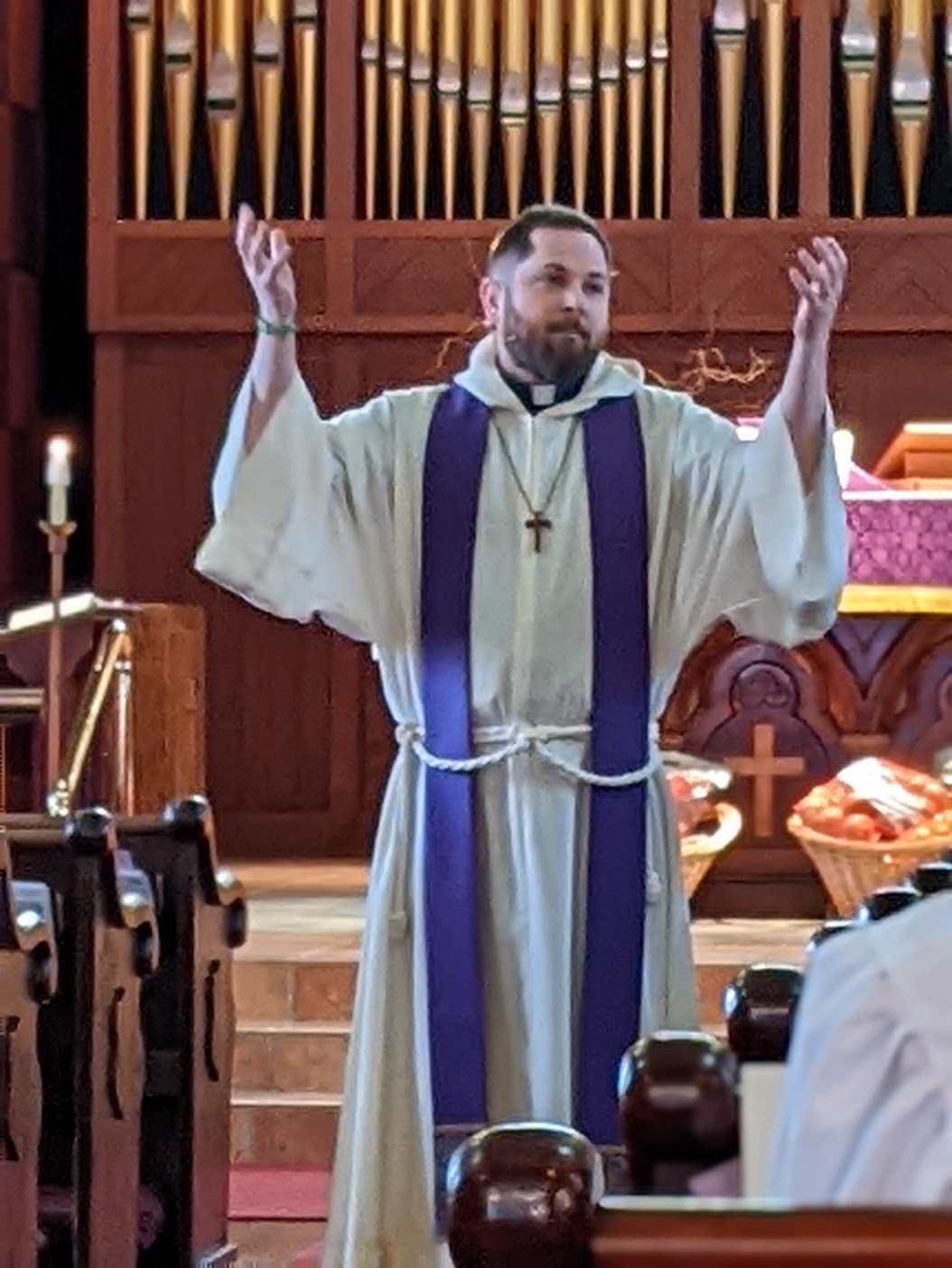
This sermon was preached at Christ Episcopal Church Eureka on Sunday March 17, 2024.

May I speak in the Name of the Father, the Son, and the Holy Spirit. Amen.
It is a humble and daunting task indeed to pray that I might preach in the name of God, to pray that my words give God glory. In today’s Gospel, we hear Jesus pray aloud, “Father, glorify your name!” And then a voice comes from heaven and says, “I have glorified it, and I will glorify it again.” The people in the crowd hear this heavenly voice in very different ways. Some hear it as thunder while others hear it as an angel. After the sound, Christ says, “This voice has come for your sake, not mine.” The great Anglican poet and preacher John Donne (1572 – 1631), whose feast day falls on Easter this year, wrote about this incident. He said the voice that some mistook for thunder[1] was the same voice that, for others, “makes all sound music, and all music perfect.”[2] For some, the voice was as loud and as troubling as the roar of thunder while for others it was angelic music. We all may hear the same voice differently based on where we are in our lives and our spiritual journeys.
Some theologians suggest that heaven and hell are the same place. If heaven is a place where we all give glory to God, that might feel hellish for those who want to keep all that glory to themselves. While some enjoy heaven as the peaceful abode of angels, others might experience it as a place of thunderous judgement.
There’s a common adage that the job of the church and the job of the preacher is to comfort the afflicted and to afflict the comfortable. Now I’m sure that everyone whom we might consider comfortable suffers some kind of affliction and I hope that even the most afflicted enjoy some comforts. But the point is that we all might hear the same voice somewhat differently based on our personal history and context. What feeds one person might irritate another; and that can create some tension, but we as Anglicans are hardwired to manage that tension, just as the sixteenth-century reformers of the Church of England held the tension between the Protestant and Catholic traditions. The fact that we have differences among us, as Anglicans, is not a bug, but a feature.
I recently heard a story from the Rev. Susan Russel at All Saints Pasadena. When she was a newly ordained transitional deacon at St. Mark’s Altadena, her support group asked the congregation to provide her feedback on her preaching. So, the bulletin included a sheet of paper with the following questions for parishioners to answer: “What did you hear?” “What touched your heart?” “How would you summarize the sermon in one phrase or sentence?” and “Do you have any other feedback?” In reviewing these sheets of paper at her desk, Susan received mostly gracious comments with some suggestions here and there. But then there were these two papers back-to-back. The first one said, “When you told the story about the rainbow, it was the first time I actually believed there was a place for me in the Body of Christ. I think you may have changed my life today.” The very next one said, “Overall, I liked the sermon, but that rainbow story didn’t fit for me. If you left it out, the sermon would have been shorter and better.”[3] The same story heard very differently.
Ideally, I would love for every sermon that you hear in this church to be deeply edifying and nourishing and even transformative. However, there may be times when you come to church, and you hear a sermon that’s just not speaking to you. You may even hear a sermon that sounds irritating or troubling or that causes you to feel a bit uneasy like the sound of thunder often does to me. Sometimes the sermon may be convicting us or challenging us with what John Donne calls the “catechesis of affliction.” Or sometimes the sermon is simply not speaking to you. If that happens, remember the voice from heaven that sounded like thunder to some and like angelic music to others; and offer a prayer for the people sitting next to you, who might be hearing in that same sermon exactly what they need to hear from God. And in that prayer, may we echo the words of Christ and say, “This message has come for their sake, not for mine.”

[1] John Donne, Devotions Upon Emergent Occasions and Death’s Duel (New York: Vintage, 1999), Station 21, 135.
[2] John Donne, Devotions, Station 17, 105.
[3] “In the Forum: The Craft of Preaching, on Sunday, February 25, 2024” on All Saints Pasadena YouTube channel, https://www.youtube.com/watch?v=3vboCjqJnuY

 DANIEL DeFOREST LONDON