
Readings for the Twelfth Sunday of Ordinary Time after Pentecost (Year A)
- Romans 11:1-2a, 29 – 32
- Psalm 67
- Matthew 15:21 – 28
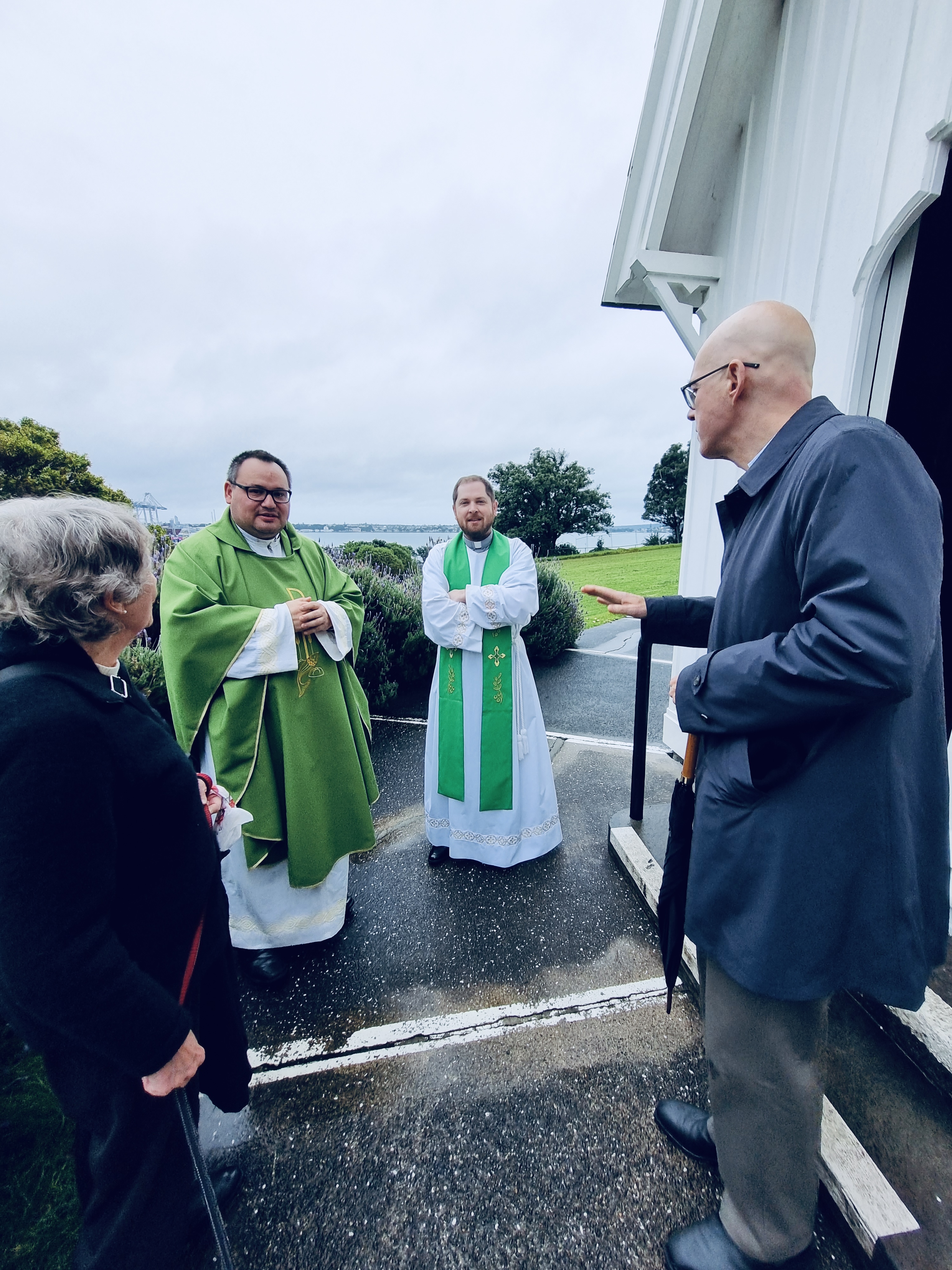
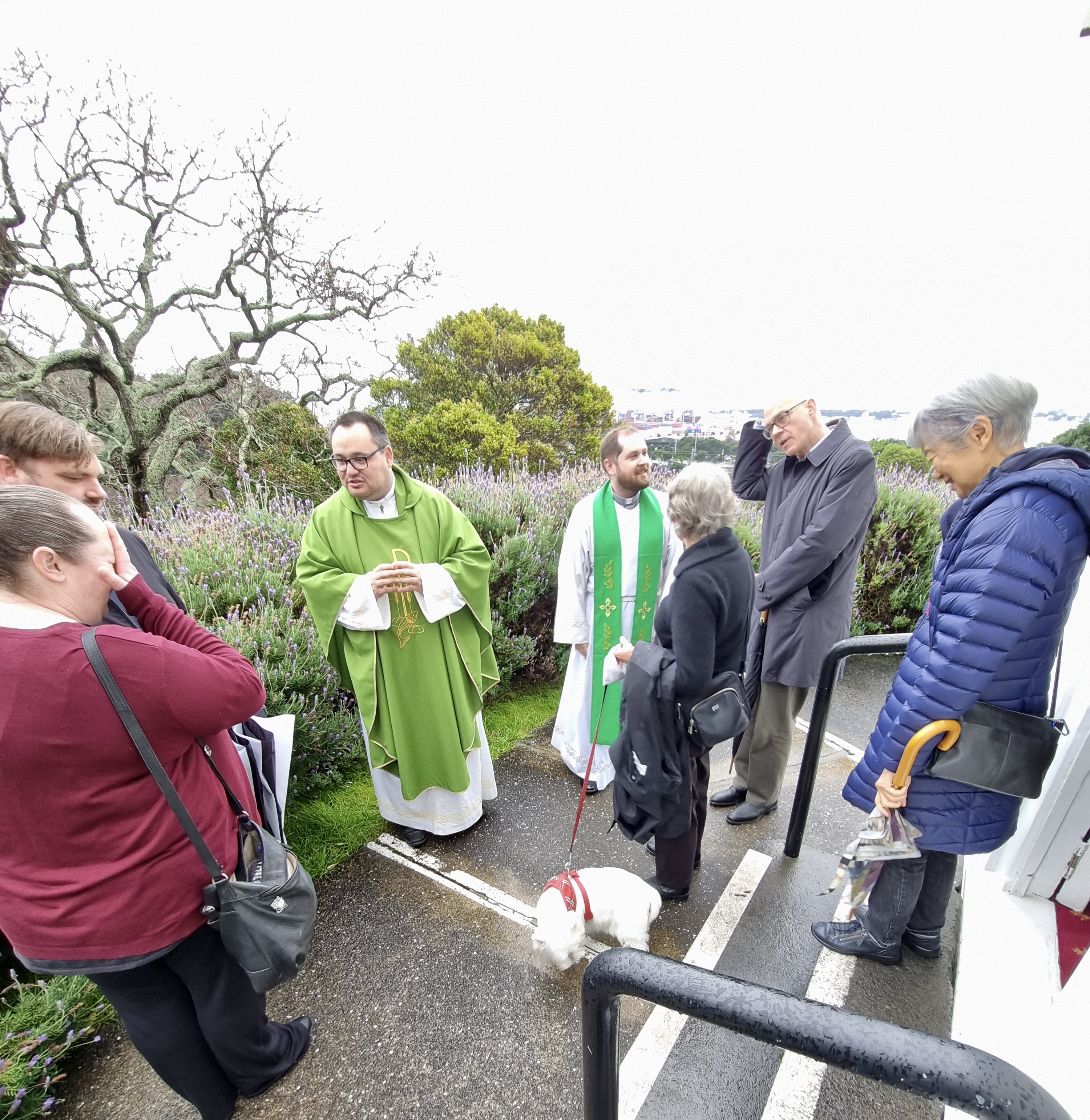
This sermon was preached at St. Stephen’s Chapel at Judges Bay in Auckland New Zealand on Sunday August 20, 2023.
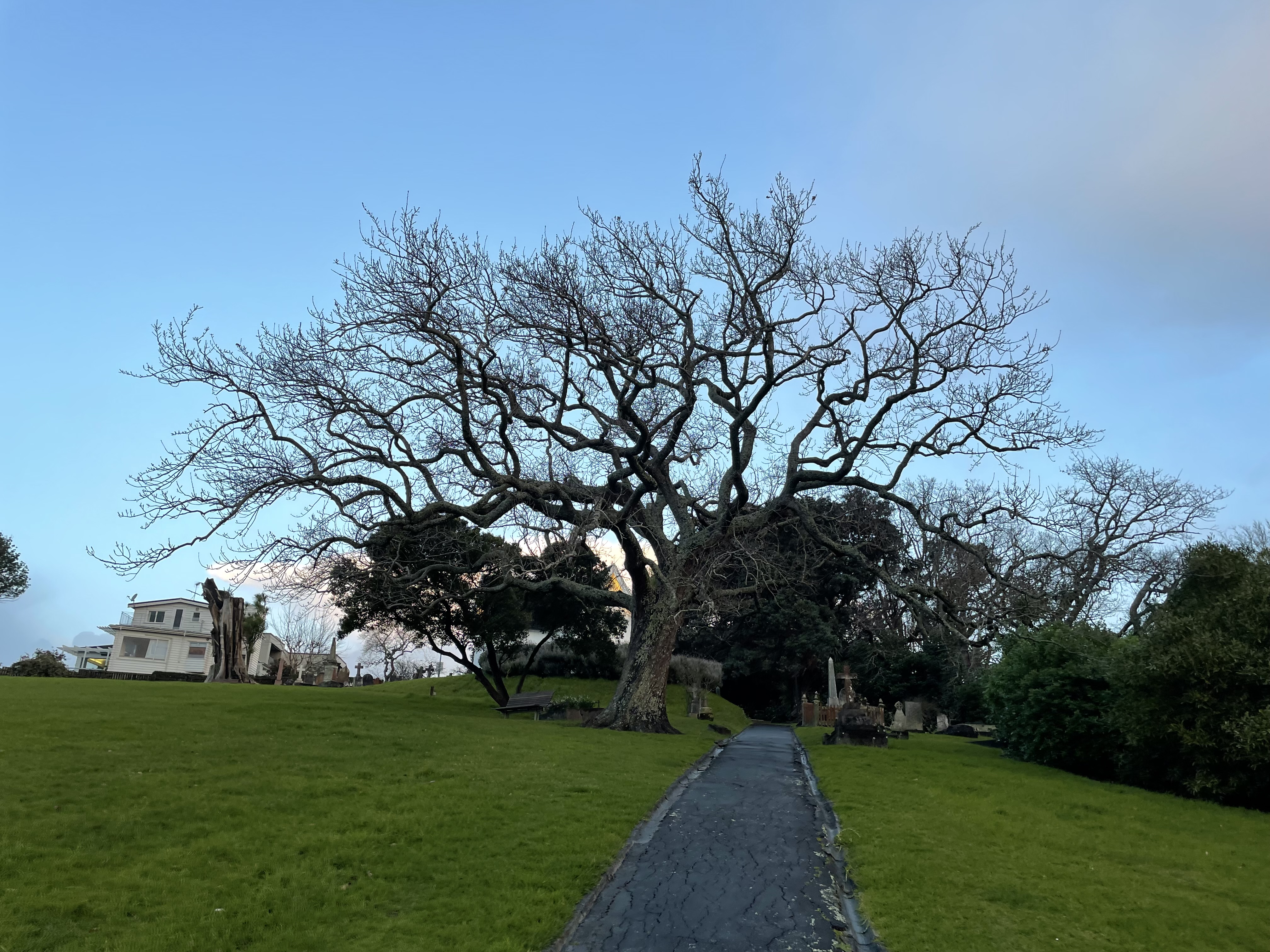
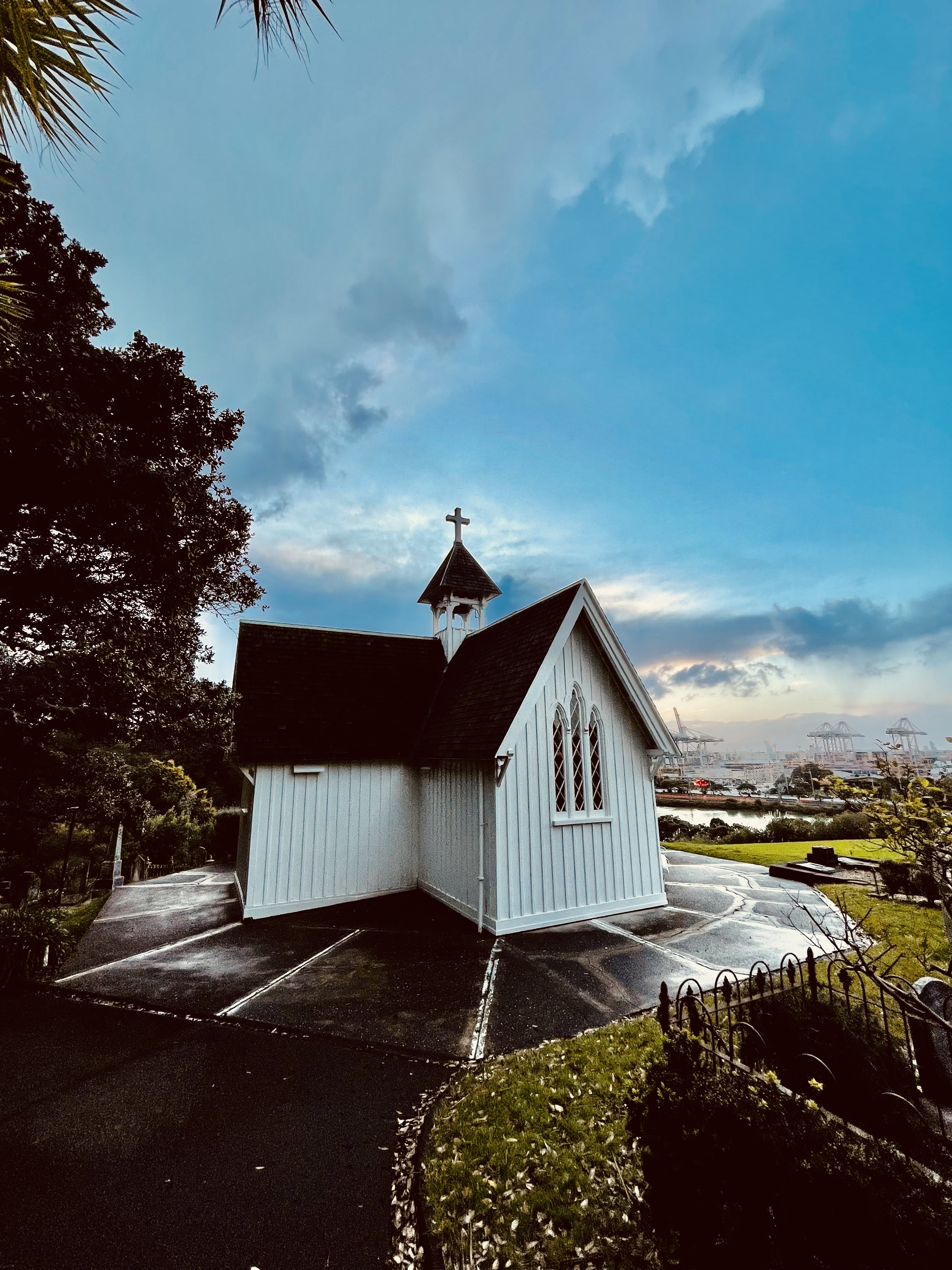
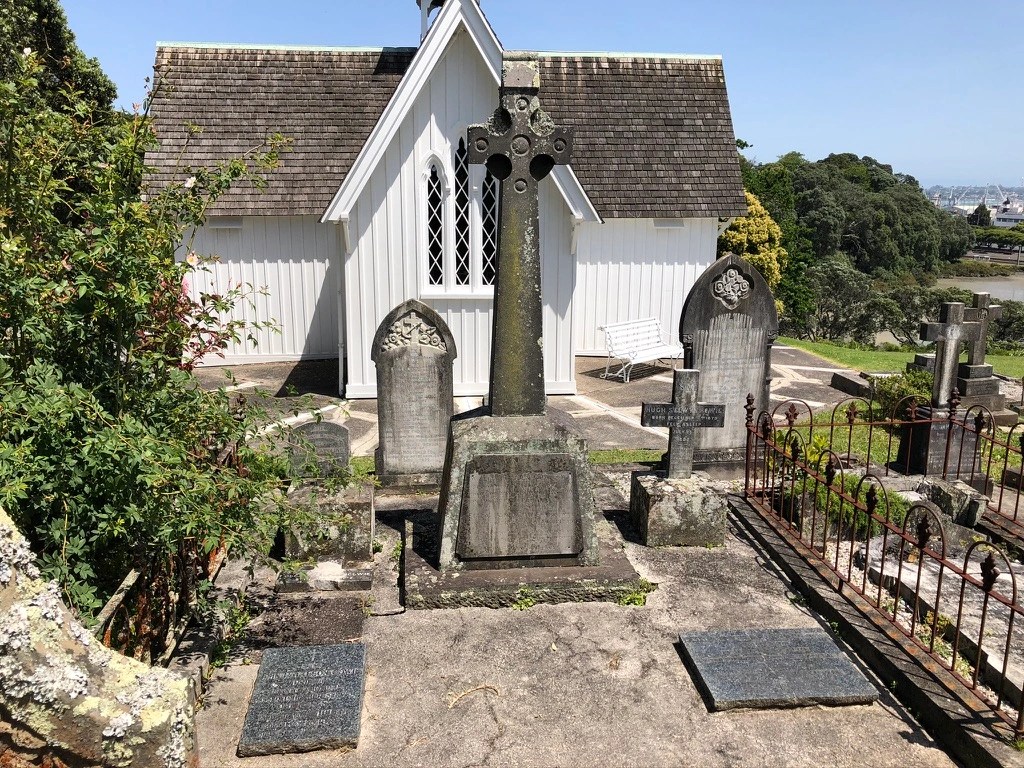
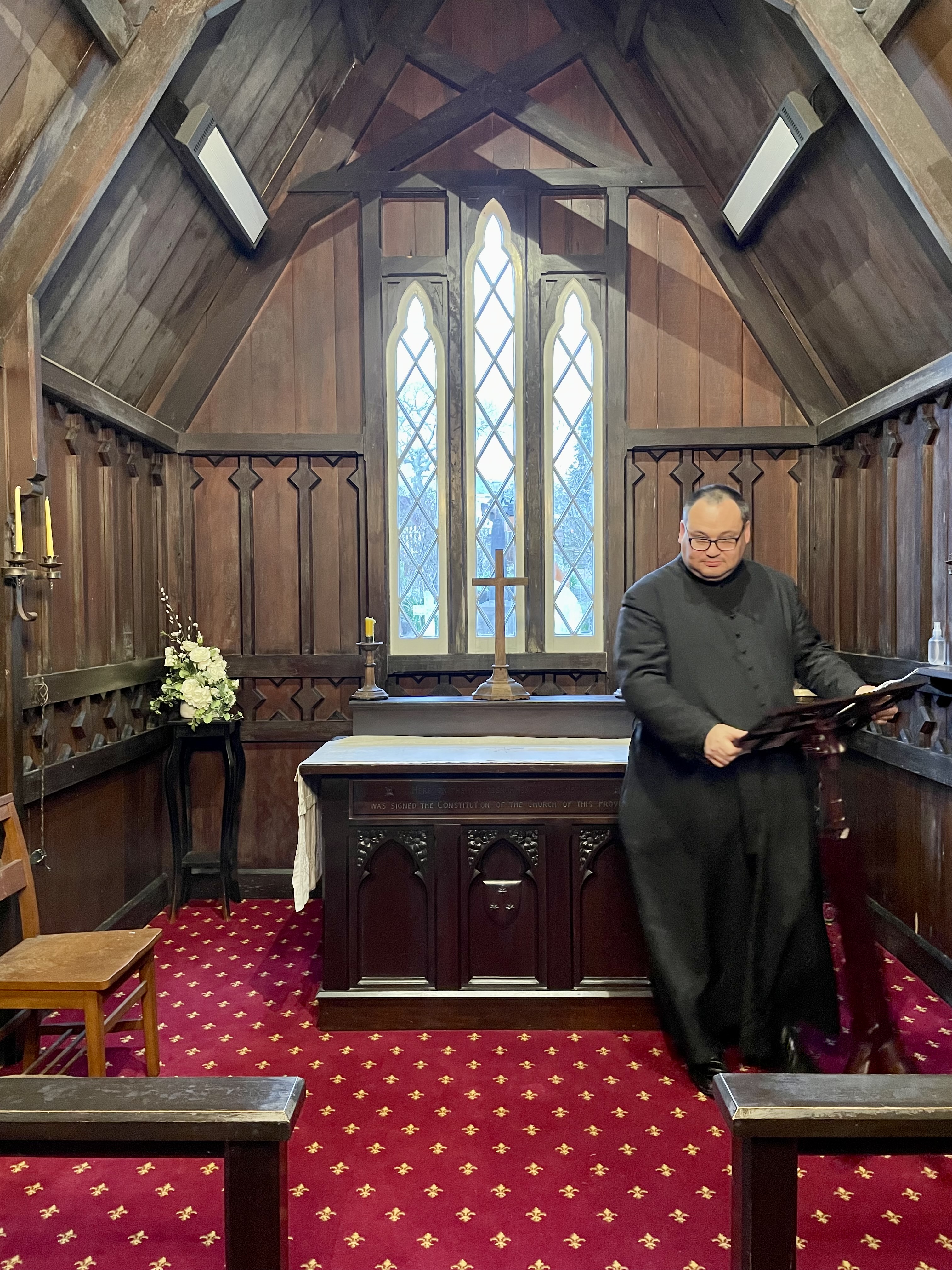
It is a great honor to be with you here at this historic chapel where the first Māori Anglican priest, Rota Waitoa, is buried along with the wife of John Logan Campbell, and the Rev. Vicesimus Lush (d. 1882) whose house I visited a few weeks ago. It is also a special privilege to preach beside this historic altar upon which the first constitution of the Anglican Church in Aotearoa was signed, a constitution that was apparently influenced by the polity of those crazy Episcopalians in the US, a constitution that upholds a synodical government of three houses: bishops, clergy, and laity with consent in each house being necessary for legislation to pass. This foundational altar, this cornerstone, stands as a symbol of the Anglican church’s openness to hearing and being transformed by other voices and perspectives. I picked up an aphorism from a book about The Shape of Anglican Theology that is apt: “Anglicans are not always angels, but we are good at looking at things from different angles.”[1] This Anglican openness, which your altar represents, is affirmed in our Scripture readings today.


In our Gospel, we read about a challenging conversation between Jesus and a Canaanite woman, which can be interpreted in different ways, understood from different angels: it can be seen as Jesus testing the Canaanite woman or Jesus using this conversation as a kind of parable to teach his disciples; and/or we can acknowledge that although Jesus was fully divine, he was also fully human and part of being human involves learning and growing and even being shaped by other perspectives. In Matthew’s Gospel, Jesus himself admits that there are some things he doesn’t know (24:36) and St. Luke describes him as growing in wisdom; so, this conversation can be understood as a moment when Jesus grows in wisdom and starts to learn and realize that his ministry may be much more far-reaching than he initially imagined. No matter how we choose to interpret Jesus’s level of understanding here, the lesson is clear: a woman who is considered an outsider is the one who wakes everyone else up to their own need to learn and grow. It’s often those people whom we would rather ignore and dismiss and exclude that have something crucial to teach us, as long as we remain open.
In his letter to the church in Rome, the Apostle Paul invites us to remain open to the wisdom of our Jewish siblings, who, according to Paul, are still God’s chosen people, as Fr. Ivica preached here a couple weeks ago on your patronal feast day. God’s covenant with his chosen people has not been revoked, it’s just that now, in Christ, that “chosenness” and the blessings of that “chosenness” have spread out to all of us, who want to share in it. Paul says, ‘Don’t think for a moment that God has rejected the Jews.’ Antisemitism and anti-Judaism in any form are a complete distortion and perversion of the Gospel of Jesus Christ. In a section that was omitted from our Epistle reading, Paul says that we are one branch among many on the wild olive tree of God’s love, so “let’s not consider ourselves superior to other branches” (11:18). I’ll admit this can be difficult for me since I’m inclined to think Anglicans are the best, but Paul calls us to stay humble. He says, “If you consider yourself superior, remember this: you do not support the root, but the root supports you.” And in this passage, the root refers to the Jewish people, whose spirituality supports our own.


Former Archbishop of Canterbury Michael Ramsey explained that the Anglican Church has been “sent not to commend itself as ‘the best type of Christianity,’ but by its very brokenness to point to the universal Church.”[2] What makes Anglicans so great, in my opinion, is our readiness to acknowledge our limitations and remain open to other voices, just as Jesus remained open to the Canaanite woman, as Paul remained open to our Jewish siblings, as Bishop Selwyn remained open to the voice of the laity and the Māori, and as you, my fellow Anglicans, have demonstrated your generous openness to this Episcopal priest from California. May we Anglicans, who are not always angels remain always ready and willing to look at things from different angles. Amen.


[1] This aphorism is not included in The Shape of Anglican Theology but is rather one that I gleaned from the following quotes: “Openness and latitude as well as the spirit of questioning and exploration…are characteristic of Anglican theology.” Scott MacDougall, The Shape of Anglican Theology: Faith Seeking Wisdom (Boston: Brill, 2022), 30; “Anglicans begin with a biblical passage, examining it from multiple angles, grappling with it in a sustained engagement, until it at last reveals some aspect of its theological import” (my emphasis). Scott MacDougall, The Shape of Anglican Theology: Faith Seeking Wisdom (Boston: Brill, 2022), 84.
[2] Michael Ramsey, The Gospel and Catholic Church: Recapturing a Biblical Understanding of the Church as the Body of Christ (Peabody MA: Hendrickson, 2009).

 DANIEL DeFOREST LONDON