

Readings for the Feast Day of Frances Perkins
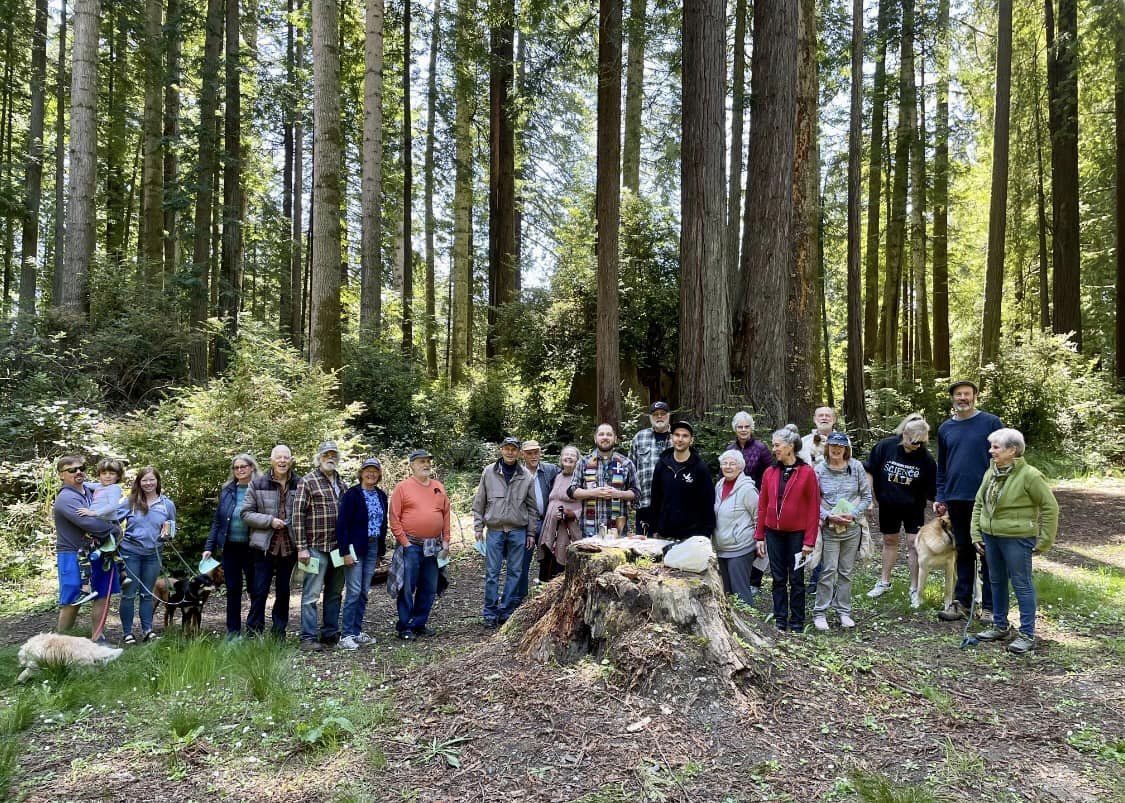
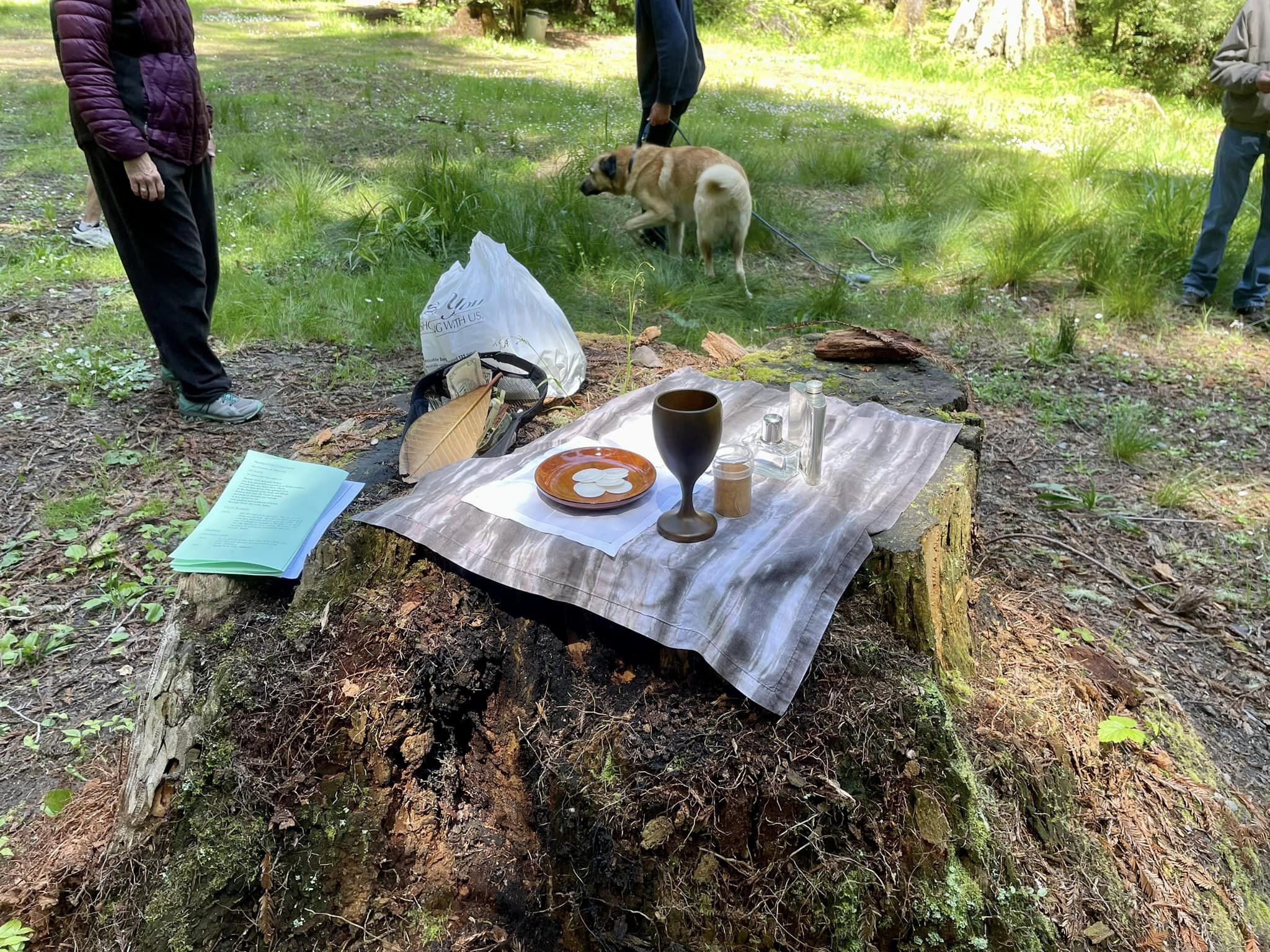
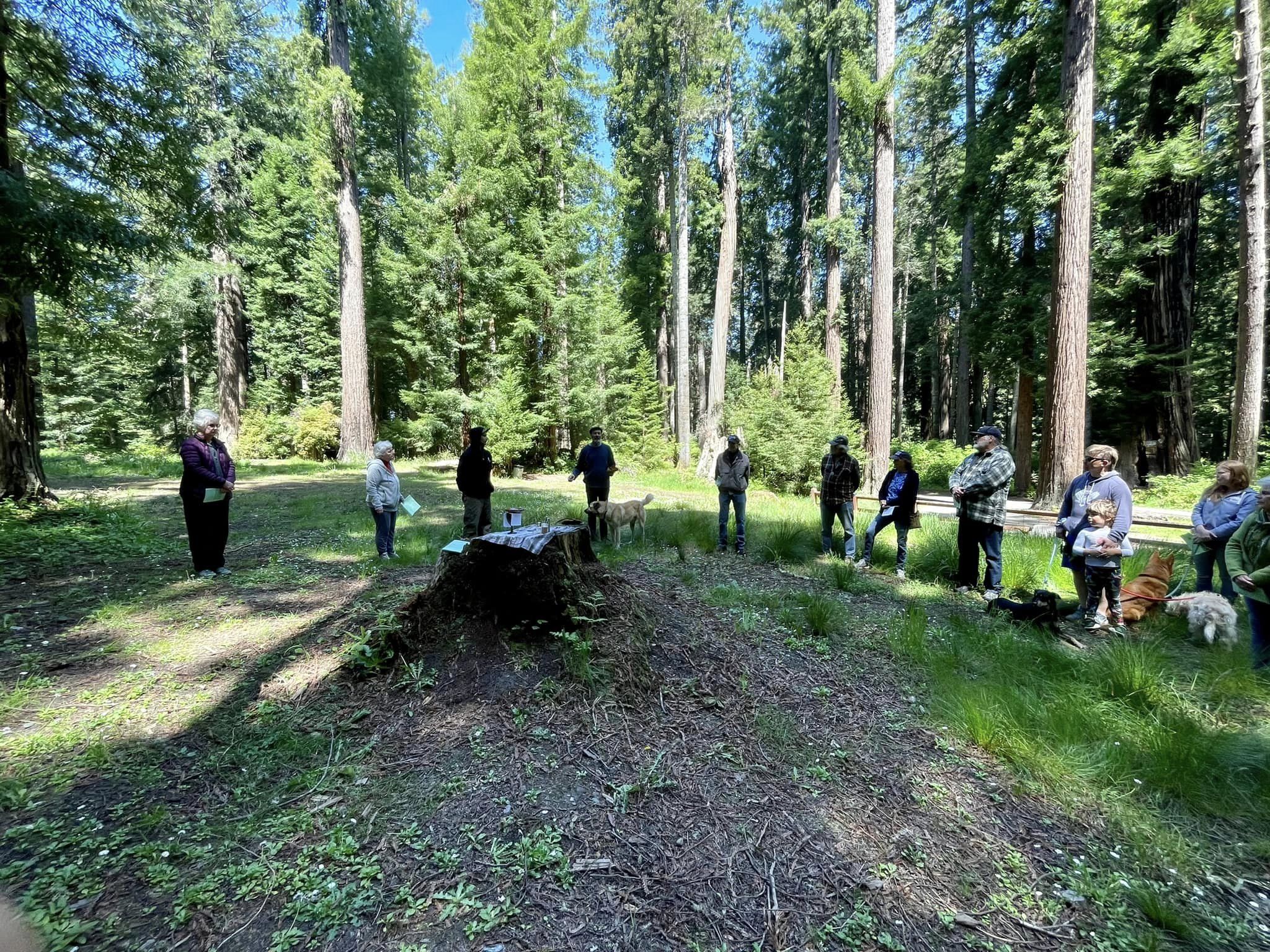
This reflection was shared at Sacred Saunter Outdoor Eucharist on Saturday May 13, 2023 at Sequoia Park in Eureka.
Frances Perkins was the first woman to serve a President of the United States as a member of the cabinet. Born in Boston on April 10, 1880, and educated at Mount Holyoke College and Columbia University, Perkins was passionate about the social problems occasioned by the continuing effects of industrialization and urbanization.
As a young adult she discovered the Episcopal Church and was confirmed at the Church of the Holy Spirit in Lake Forest, Illinois, on June 11, 1905, and she remained a faithful and active Episcopalian for the remainder of her life.
After moving to New York, she became an advocate for industrial safety and a persistent voice for the reform of what she believed were unjust labor laws. This work got the attention of two of New York’s governors, Al Smith and Franklin D. Roosevelt, in whose state administrations she took part.
President Roosevelt appointed her to a Cabinet post as Secretary of Labor, a position she would hold for twelve years. As Secretary of Labor, Perkins would have a major role in shaping the “New Deal” legislation signed into law by President Roosevelt, most notably the establishment of the Social Security program.
During her years of public service, Frances Perkins depended upon her faith, her life of prayer, and the guidance of her church for the support she needed to assist the United States and its leadership to face the enormous problems of the time. During her time as Secretary of Labor, she would take time away from her duties on a monthly basis and make a retreat with the All Saints Sisters of the Poor in nearby Catonsville, Maryland. She spoke publicly of how the Incarnation informed her conviction that humans ought to work with God to create a just Christian social order.
Following her public service she became a professor of industrial and labor relations at Cornell University. She remained active in teaching, social justice advocacy, and in the mission of the Episcopal Church until her death in 1965.
Perkins’s life served as an inspiring response to the Hebrew Scriptures’s call to “open your hand to the poor” (Deuteronomy 15:11) and Jesus’s command to “give the hungry something to eat” (Luke 9:13). She understood that just as the redwood trees are supported by a system of interlocking roots and fungal networks so too must we depend on each other and our own symbiotic networks of compassion in order to survive and thrive. We honor her today by emulating the trees and sharing our resources with others, specifically by collecting a special offering for the Humboldt County Food Bank.


 DANIEL DeFOREST LONDON