
Readings for the First Sunday of Advent (Year A)
Isaiah 2:1-5
Psalm 122
Romans 13:11-14
Matthew 24:36-44
This sermon was preached at Christ Episcopal Church in Eureka CA on November 27, 2022.
Teach me, Lord, that I may teach the precious things thou dost impart; and wing my words, that they may reach the hidden depths of many a heart. May I speak in the Name of the Father, the Son, and the Holy Spirit. Amen.
Happy New Year! Today we begin a new liturgical year as we enter the season of Advent, a season that celebrates the “coming” of Christ on the first Christmas day as well as the Second Coming of Christ on the last day, and the coming of Christ in the sacrament of the Holy Eucharist and the sacrament of the present moment. Our Scripture readings today urge us to stay awake so that we not slumber through the imminent arrival of the Christ. Paul says, “Now is the moment for you to wake up” (Romans 13:11); and Jesus says, “Keep awake” (Matthew 24:42). Advent calls us to stay awake, to pay attention, and to be alert. (Be alert because the world needs more lerts.)
I personally find this Advent call to “stay awake” especially fascinating this year in light of a recent poll of 2,000 US adults which found that 66 percent say that, if they could, they would beg jolly old St. Nick for any product that could give them a decent night’s sleep! During this time of year, many of us suffer from a lack of sleep due to financial stress, shopping stress, family visits, meal preparations, gift wrapping, etc. Also, many of us travel during this time of year which tends to contribute to sleep deprivation. As COVID and other viruses continue to wreak havoc during these colder months, our bodies need extra sleep in order to keep our immune systems strong. So, for those of us who are feeling ill and overwhelmed and overtired, the Advent call to “stay awake” might not be what the doctor ordered.
This last weekend, I attended an international religious studies conference in Denver CO and one of the most helpful insights I gleaned from the conference came from a conversation with a scholar of Hinduism who is also a close friend. I was telling him how I had been waking up at around 3:30 AM; and when I wake up, I’m not necessarily anxious or overwhelmed with thoughts and responsibilities (although sometimes that is the case), usually my body is just awake at that time. Sometimes I will try to go back to sleep to no avail and then worry that I’m not getting enough sleep, which tends to make things worse. When I shared this with my friend, he told me that I was waking up at the most sacred time of the day, a time called Brahma Muhurta. Brahma Muhurta is Sanskrit for “the time of the Creator” and it takes place roughly from around 3:30 to 5:30 AM and it is considered the most auspicious time of the day for prayer and meditation and reflection. The Hindus believe that there is a preponderance of sattva (purity and truth) in the mind at this time, as well as in the atmosphere. Despite the jetlag, freezing cold climate, and high altitude, I actually slept quite well through my nights in Denver. However, one night I did wake up at around 4 AM and I remembered what my friend had just told me about this most sacred time, so I sat up in bed and prayed the Daily Office and prayed for all of you and then proceeded to meditate. I began to sense the spiritual charge and energy of the hour and to experience my wakefulness not as a curse to combat but rather as a gift to embrace. I remembered how monks and nuns throughout church history and around the world today begin their canonical hours at this time of day with what is called Vigils. Although some people call Vigils the prayer office for pious insomniacs, I began to have a new appreciation for this time of the day. I also remembered reading that the Dalai Lama and Archbishop Desmond Tutu would get up every day at this time to pray and meditate. Douglas Abrams who wrote The Book of Joy about the Dalai Lama and Desmond Tutu asked, “What is it…about spiritual leaders that they are always getting up early to pray and meditate? It clearly makes a great difference in how they approach their day.”[1] Spiritual leaders throughout millennia have tended to wake up and pray during the sacred time known as Brahma Muhurta. Jesus himself would do this.
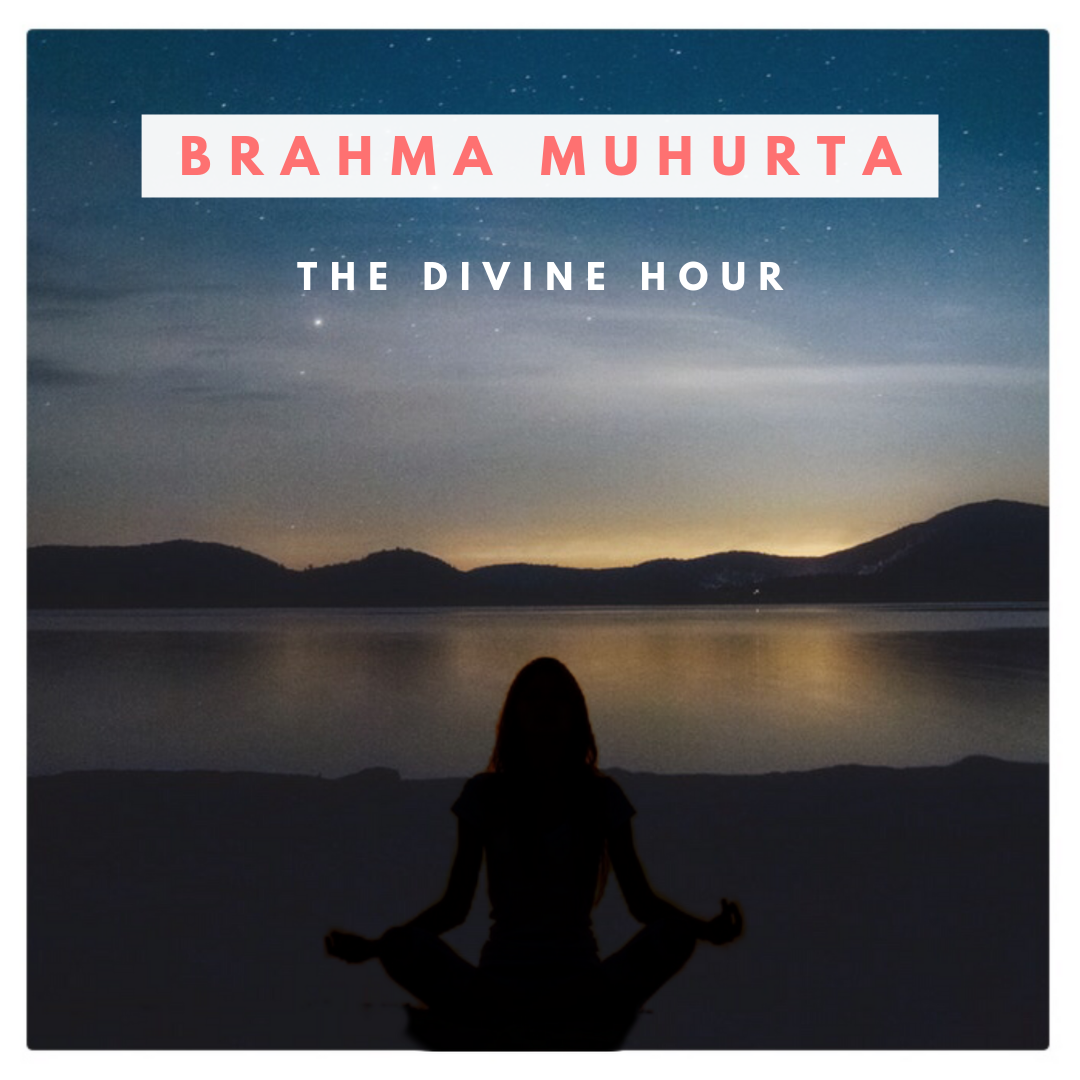
Now I’m not saying we all need to wake up to pray at 3 AM, which might be the time that some of us end up going to sleep, especially on Christmas Eve or New Year’s Eve. I’m suggesting that the Advent call to “keep awake” is something much more life-giving than a command to deprive ourselves of much-needed sleep. Jesus himself enjoyed deep sleep. Remember he was sleeping soundly on a boat amidst a terrifying storm, much to the frustration of his disciples.
I’m suggesting that the Advent call to “stay awake” is an invitation to embrace all our times of wakefulness as a gift, as an opportunity to receive the Christ who comes to us in the sacrament of the present moment. And I’m suggesting that the most tried and true way to do this is to pray and to intentionally carve out some time each day to “hold vigil” and to bask in the sattva (the purity and truth) of the hour. This Advent we are offering several opportunities for us to do just that, starting this afternoon with our beloved Anglican Lessons and Carols service at 3 PM. And on Monday nights, we will be offering our Centering Prayer meditation in the chapel. (If you ever find yourself awake at Brahma Muhurta, I highly recommend practicing Centering Prayer.) And please consider joining us for our Advent Soup Suppers on Tuesday nights, when we’ll be learning about the history and mystery of the prayer labyrinth and enjoying the sattva of embodied fellowship. My hope and prayer for us this Advent season is that we keep awake while simultaneously getting some much-needed rest. Amen.
[1] Douglas Abrams, The Book of Joy: Lasting Happiness in a Changing World (Avery: New York, 2016), 21


 DANIEL DeFOREST LONDON