
Readings for the Eighteenth Sunday after Pentecost (Proper 23 – Year C – Track 1)
Jeremiah 29:1, 4-7
Psalm 66:1-11
2 Timothy 2:8-15
Luke 17:11-19
This sermon was preached at Christ Episcopal Church in Eureka CA on October 9, 2022.
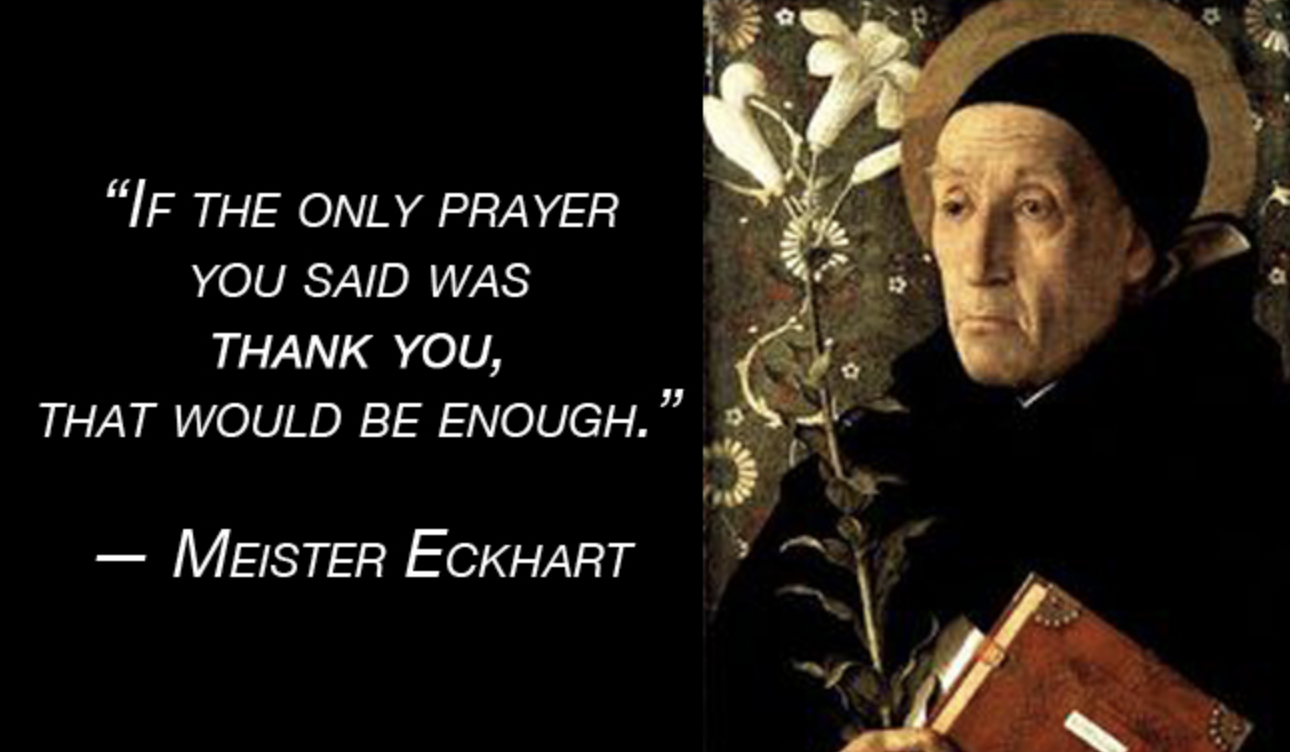
There’s a quote attributed to the great 13th century German theologian and mystic Meister Eckhart, who supposedly said that there is only one simple prayer that we need to pray. If we pray this one prayer, then it is enough. It’s not the prayer that Evangelicals emphasize about confessing our sins and accepting Christ as our Savior, which I fully endorse. It’s simpler than that. It’s just two words: “Thank you.” If the only prayer you ever say in your entire life is thank you, it will be enough. And that might also be sufficient for a sermon, simply saying, “Thank you,” but I’m going to say a little bit more than that because our readings today offer a variety of ways for us to say that one, most essential prayer.
The prophet Jeremiah invites us to say, “Thank you” and show gratitude by seeking the welfare of the city in which God has placed us (Jeremiah 29:7). The prophet is talking to the Israelites who have been displaced from their home (Jerusalem) and are now living in exile in Babylon, but he still calls them to seek the commonwealth of their land, to build a house and grow a garden. Likewise, he calls us to make the best of the situations in which we find ourselves because is one way we say, “Thank you.”
The Psalm invites us to say thank you by praising God and remembering the miraculous ways God has delivered us from sin and sickness and bondage, and carried us through times of suffering and brought us into a place of refreshment (66:11). St. Paul, in his second letter to Timothy, invites us to present our entire selves to God as an expression of our gratitude: “Do your best to present yourself to God as one approved by him” (2 Timothy 2:15). And the Gospel reading might be one of the most interesting ways that the Bible invites us to express our gratitude and praise. This story of the ten lepers seems quite simple and straightforward on the surface, but when we look deeper, it ends up being one of the more complex and challenging stories of the entire New Testament.
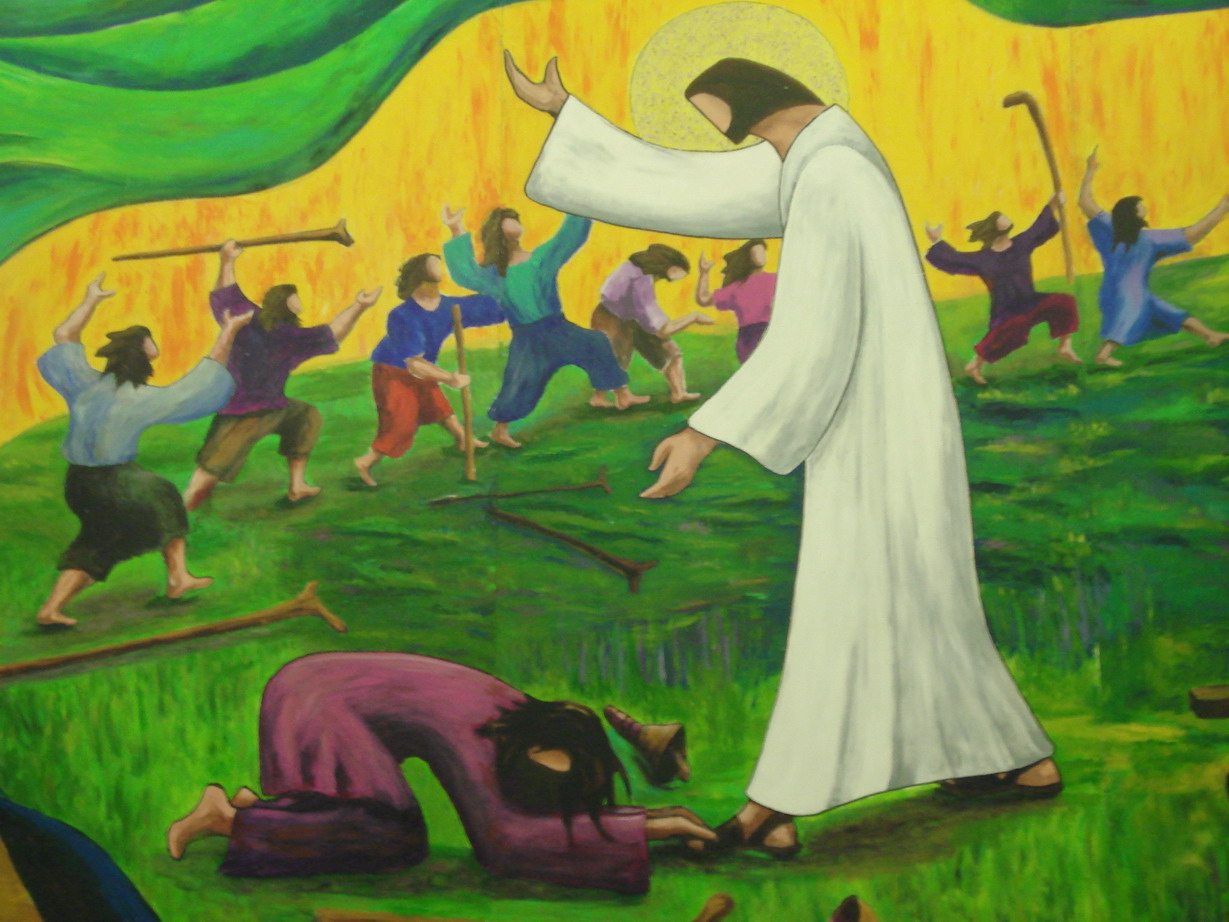
Jesus heals ten lepers when he tells them to go and show themselves to the priests. On their way, they are made clean, but only one returns to Jesus to thank him personally, prompting Jesus to then ask, “Where are the nine? Were there not ten cleansed?” Jesus then asks a series of questions that seem to imply that the other nine have failed to show gratitude. Most sermons on this passage urge us to be grateful like the leper who returned to say thank you and to not be like the nine who failed to return. But that reading is too simplistic when we look more closely at the historical context. When Jesus asks his questions, we the readers are invited to answer.
“Where are the nine?”
“Well, Jesus, they’re doing what you told them to do! They’re showing themselves to the priest.” Personally, if I didn’t follow through on what Jesus had told me to do, I might be afraid that the leprosy might come back. And when someone who has had a skin disease shows themselves to a priest, the process is extremely elaborate. There are two chapters in Leviticus (13 and 14) that are devoted to what the priest and the healed person must do in order for the socially outcast leper to be fully restored to the community, to be made ritually clean. After a careful examination of the skin, the priest and the former leper engage in a long ceremonial process than involves birds, cedar wood, yarn, hyssop, a seven-day quarantine period of bathing, shaving, and doing laundry, and then a sacrifice of three lambs (without defect) along with flour and oil, and intricate rituals involving animal blood being sprinkled on the hands and the toes and the ear lobes of the former leper, and this is all just scratching the surface (so to speak). This all may sound strange to us, but this is what the Torah prescribed. This is what God commanded. And it was all connected with the Jewish temple.
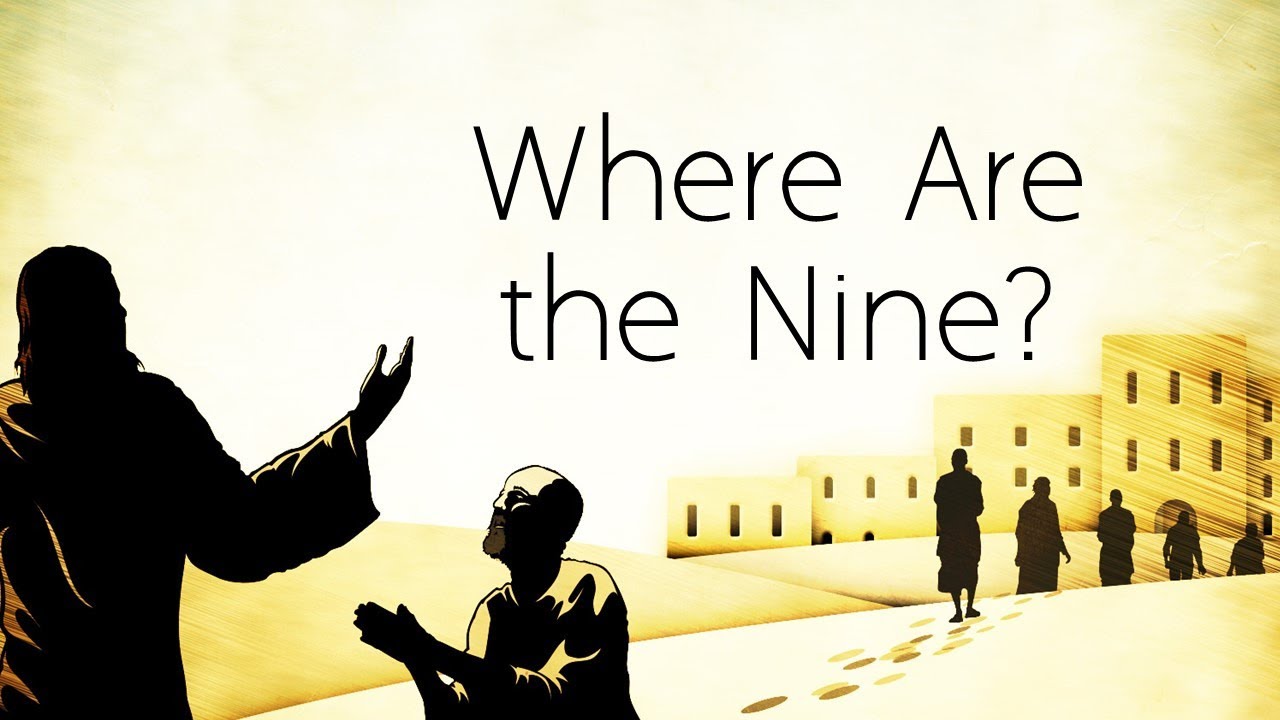
So where were the other nine? They were most likely very busy trying to obey the Torah as their healer Jesus had commanded. The one who returned was a Samaritan and Samaritans didn’t believe in the legitimacy of the Jerusalem-based temple and priesthood. They had their own sacred space on Mt. Gerizim which is why they were considered foreigners and outsiders and heretics to the Jews. So, the Samaritan decided to bypass all that ritual and simply return to Jesus himself giving thanks. The one who returned did a lot less work than the other nine, who were probably trying to figure out how in the world they were going to pay for the birds and the lambs and the other sacrifices that needed to be made. The other nine were doing what Jesus had told them to do and what God commanded them to do in the Torah. And that was their way of saying, “Thank you.” And it was much more elaborate and involved than the Samaritan’s expression of gratitude.
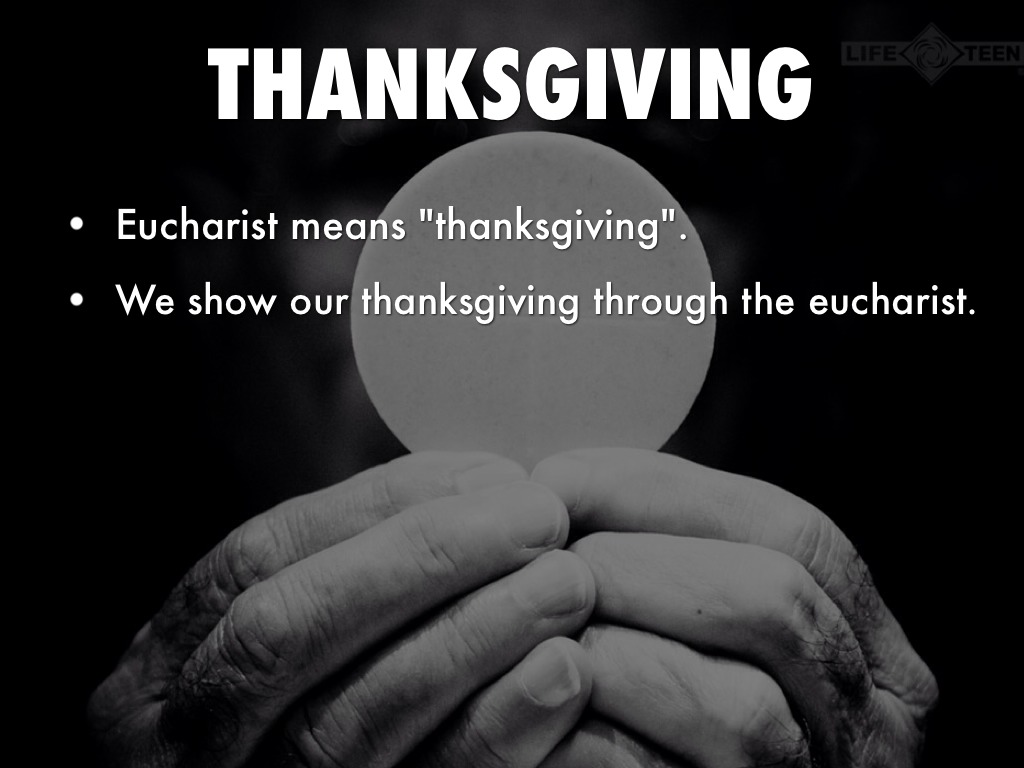
So that’s the historical context of Jesus and the lepers, but then there’s another context that we need to factor into our reading and that’s the context in which the Gospel was written. Luke’s Gospel was written probably around the year 90 AD, so about 60 years after Christ’s death and resurrection and 20 years after a catastrophic event that permanently changed Judaism: the destruction of the temple in 70 AD. Without the temple, the Jews could no longer obey huge portions of the Torah because so many of the commandments were about temple sacrifice, so there was a lot of conversation about how to follow those commandments without a temple. The Rabbinic Jews decided that it was by practicing acts of compassion that they could now fulfill the Torah commandments about temple sacrifice.[1] The Christians, on the other hand, understood Christ as the new temple. So, this story of the Samaritan outsider was teaching the original readers of Luke’s Gospel that they now can offer their thanks and praise to God (the way the Jews did in the temple) by coming to Christ in gratitude. The body of Christ is the now the temple and when Christ ascended and gave us the Holy Spirit, the Body of Christ became manifest in the church. We are the Body of Christ. We are now the temple, which means we don’t have to go all the way to Jerusalem to show our gratitude to God. Just as Paul talks about the Word of God being unchained, our expressions of gratitude our now no longer chained to one location but unchained enough to be shown wherever two or more are gathered. This is “gratitude unchained,” like the gratitude of the Samaritan. And the original Greek word used for what the Samaritan does when he thanks Jesus is the word euchariston, which is where we get the word Eucharist, which means “Thanksgiving.”
So, there are a variety of ways to pray that simple prayer, “thank you,” but the quintessential Christian way to say “Thank you” to God is to come to the Body of Christ on earth, the Church, just as the Samaritan came to Christ, and to participate in the Eucharist by bringing our expressions of gratitude to the table (our time, our talent, and our treasure) and then to be nourished by the One who gives himself to us in the sacrament that makes us whole. It is through the Eucharist that we are empowered by Christ who says to us as he said to the Samaritan, “Get up and go. Your faith has made you well.” Get up and go and be my hands and feet in this world, showing others the compassion that I’ve shown you. May it be so. Amen. Thank you!
[1] Once as Rabban Johanan ben Zakkai was coming forth from Jerusalem, Rabbi Joshua followed after him and beheld the Temple in ruins. “Woe unto us!” Rabbi Joshua cried, “that this, the place where the iniquities of Israel were atoned for, is laid waste!” “My son,” Rabban Johanan said to him, “be not grieved; we have another atonement as effective as this. And what is it? It is acts of loving-kindness, as it is said, For I desire mercy and not sacrifice” (Hosea 6:6). The Fathers According to Rabbi Nathan, translated from the Hebrew by Judah Goldin (Yale University Press: New Haven, 1983), 34.

 DANIEL DeFOREST LONDON