
Readings for the Thirteenth Sunday after Pentecost (Proper 18 – Year C – Track 1)
Jeremiah 18:1-11
Psalm 139:1-5, 12-17
Philemon 1-21
Luke 14:25-33
This sermon was preached at Christ Episcopal Church in Eureka CA on September 4, 2022.

I think many priests are secretly glad when this Gospel falls on Labor Day weekend, when many parishioners are on vacation, because this teaching of Jesus today is a real doozy. Not for the fainthearted. It is especially challenging and arresting and troublesome: “Whoever . . . does not hate father and mother, wife and children, brothers and sisters, yes, and even life itself, cannot be my disciple”? Three years ago, this was the Gospel on our family-friendly bounce-back-to-church Sunday, which felt a little awkward since this is not Jesus’s most family-friendly teaching, to say the least.
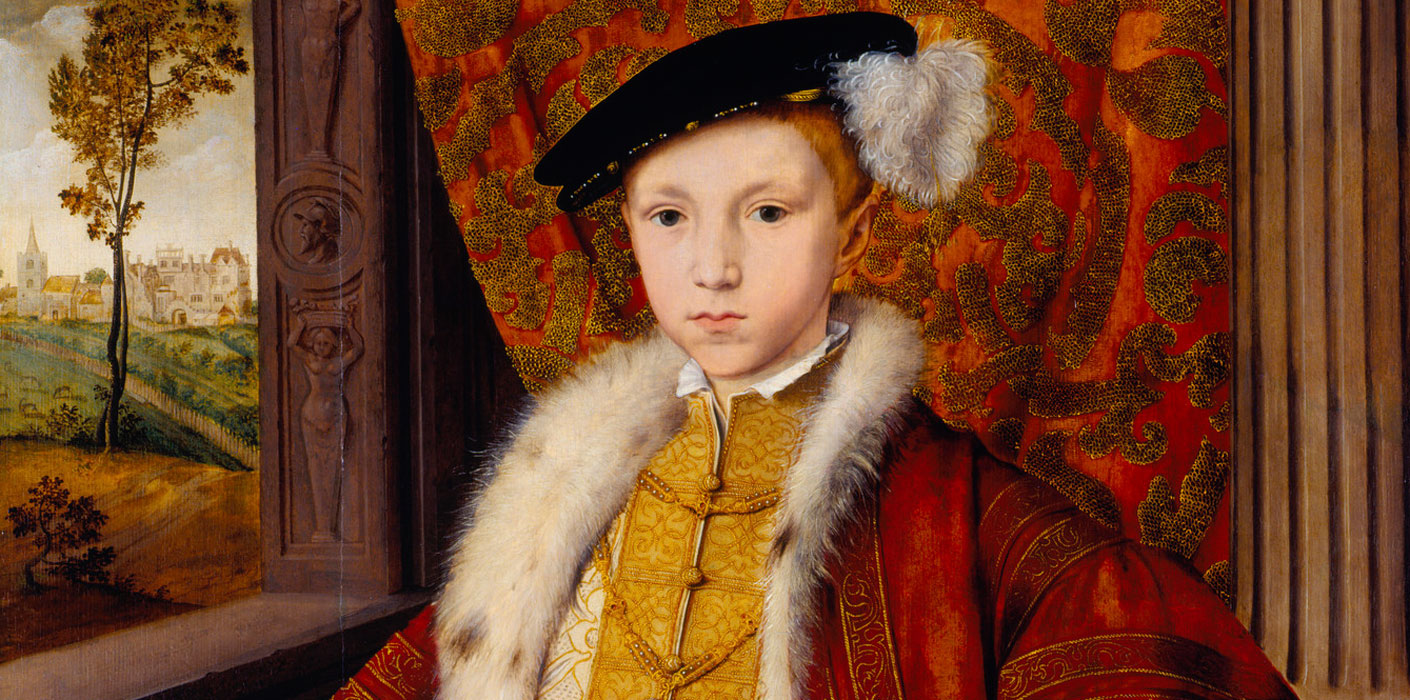
I was recently reading about the English priests of the 16th century who had gotten married and started families during the reign of King Edward VI when the Reformation had really taken hold in the Church of England and clerical marriage was permitted. When young King Edward died (of Tuberculosis at age 15) and Mary took the throne with an attempt to revert the church back to Roman Catholicism, these English priests were then forced to choose between their ministry and their family. It was only “those who renounced their marriage and did public penance” who were allowed to remain priests and lead congregations in England during Mary’s reign; and I can’t help but wonder if this teaching of Jesus played a role in causing them to abandon their families.[1] Whoever does not hate their family members cannot be my disciple.
Now obviously, Jesus is speaking in hyperbole here in order to make sure that we are paying attention, as he does so often. This is not to be taken literally, but figuratively, just like his injunctions in Matthew to cut off your right hand and gouge out your eye (Matt 5:29-30). Please don’t do that. In the Indigenous Translation of the New Testament (the First Nations version), this verse is rendered as “The ones who come to me must put me first, above all others. To walk the road with me, they must love and respect me above their own fathers and mothers, wives and children, and aunties and uncles. They must love me even more than their own lives.”[2] This rendering makes sense in the light of Jesus’s other teachings on loving our neighbors and even our enemies. One of Jesus’s closest followers said, “Whoever claims to love God yet hates a brother or sister is a liar. For whoever does not love their brother and sister, whom they have seen, cannot love God, whom they have not seen” (1 John 4:20). Jesus clearly calls us to love others with radical abandon. He sums up the entire Torah (all 613 commandments) by saying “Love God. Love others. And love yourself.” However, he does call us to prioritize our love. Jesus expects our love for God to be our top priority, even above our love for family and for ourselves, even when our love for God may call us to make painful sacrifices in relationships.
And this leads me to another more subtle meaning to Christ’s teaching that most of us don’t notice today but many of Jesus’s first listeners would have likely recognized. The first-century Jews who were listening to Jesus knew their Torah and so they would have likely been reminded of Moses’s blessing to the tribe of Levi in Deuteronomy 33:8-11. (I don’t how many people here were reminded of Deuteronomy 33, but many first-century Jews likely were). The tribe of Levi was the priestly tribe of Israel; and, in his blessing, Moses described them as a people who loved God so much that their love for their family almost looked like disregard for their family. This was not because they didn’t love their families but because they loved God so much. Moses says, “They watch over God’s Word and guard the covenant. They teach God’s Torah to Israel and bring incense and offerings to God’s altar. God will bless their skills and be pleased with the work of their hands” because, through their love and devotion, they have become molded by God’s hands of love, like clay in the hands of a potter.
So, when Jesus turns to the large crowds and talks to them about hating their families, he’s actually saying to them, in a jarring way, “You who choose to follow me will become priests, the true spiritual descendants of Levi. And when you follow me in the way of self-giving love, which is the way of the Cross, you will be transformed. You will be like the psalmist who said to God (in today’s Psalm), “You press upon me behind and before and lay your hand upon me” (139:4), not unlike a potter who lays his hands on the clay to mold it and make it into a glorious vessel, as Jeremiah described.
Jesus calls all his followers to become priests. This doesn’t mean that we all get ordained by bishops and wear fancy vestments on Sundays. It means that we are called to love God and God’s Word like the ancient Levites, and to bring our offerings generously in worship to his altar, where we then become formed like clay on the potter’s wheel and nourished by the bread that is reserved only for the priests, for you. Although we in the Episcopal Church have ordained clergy (deacons, priests, and bishops) to serve important liturgical and organizational functions, we believe in the priesthood of all believers.
Queen Mary in the 16th century did not endorse the priesthood of all believers, but her theology (and ecclesiology) did not win the day in the Church of England. It was the woman who succeeded Mary in 1558 who made the lasting impact on our Anglican Heritage, and it was this woman (Queen Elizabeth I) who reincorporated the insights of the Reformation, including the priesthood of all believers (1 Peter 2:4-5). And those English priests who chose not to abandon their families during Mary’s reign (and who fled to other countries for safety) eventually returned to England during the reign of Elizabeth, who then appointed many of them to become bishops and archbishops. Elizabeth honored the priests who refused to abandon their families because she read Jesus’s teaching in the context of other New Testament teachings, including the teaching in 1 Timothy which describes church leaders (especially bishops) as people who care for their families.[3] In today’s reading from Philemon, Paul mentions his friend and brother Timothy.[4] When Paul wrote to Timothy directly, he said to him, “Anyone who does not provide for their relatives, and especially for their own household, has denied the faith and is worse than an unbeliever” (1 Timothy 5:8). We need to read Jesus’s teaching in light of verses like this.

As the spiritual descendants of Levi, as priests, we are called primarily to love God, to love God above all others, which may involve serious sacrifice as we walk with Jesus along the Way of the Cross. There may come times when we are called to prioritize our love for God even above and at the expense of our families and friends and we need to be prepared for that possibility, but ultimately the Way of the Cross invites us to express our love for God by offering ourselves in love to our family and friends, maybe even to the point of laying down our lives for others as Christ himself did, for “greater love hath no man than this,” Jesus said, “than to lay down his life for his friends” (John 15:13). May we remember that, throughout this transformative process of priestly formation we all remain held always in God’s almighty hands of love, like clay in the hand of the potter. Amen.
[1] John L. Kater, Ministry in the Anglican Tradition from Henry VII to 1900 (London: Fortress Academic, 2022), 16.
[2] First Nations Version: An Indigenous Translation of the New Testament (Downers Grove IL: Intervarsity Press, 2021),139 (Luke 14:26).
[3] However, Kater also notes that “Elizabeth shared the disdain of both her father and her sister Mary towards the idea of a married clergy, and was known to be rude and offensive both to the unwary clergy wives who crossed her path and to those members of the clergy who exercised their right to marry.” This unfortunate reality complicates the overly simplified narrative presented above. John L. Kater, Ministry in the Anglican Tradition from Henry VII to 1900 (London: Fortress Academic, 2022), 24.
[4] As an aside, I came across this funny meme that described the general outline of Paulin Letters like this: “Grace. I thank God for you. Hold fast to the Gospel. For the love of everything holy, stop being stupid. Timothy says hi.”


 DANIEL DeFOREST LONDON