
Readings for the Twelfth Sunday after Pentecost (Proper 17 – Year C – Track 1)
Jeremiah 2:4-13
Psalm 81:1, 10-16
Hebrews 13:1-8, 15-16
Luke 14:1, 7-14
This sermon was preached at Christ Episcopal Church in Eureka CA on August 28, 2022. This sermon was also published in the Episcopal Diocese of Northern California “Beloved Community Resource Newsletter” September 2022.

“The Guest House” by the Sufi Mystic poet Rumi.
This being human is a guest house.
Every morning a new arrival.
A joy, a depression, a meanness,
some momentary awareness comes
as an unexpected visitor.
Welcome and entertain them all!
Even if they’re a crowd of sorrows,
who violently sweep your house
empty of its furniture,
still, treat each guest honorably.
He may be clearing you out
for some new delight.
The dark thought, the shame, the malice,
meet them at the door laughing,
and invite them in.
Be grateful for whoever comes,
because each has been sent
as a guide from beyond.
In our Scripture readings this morning I hear an invitation to welcome our emotions with the same openness and hospitality that is expressed in Rumi’s poem, with the openness to the possibility that our emotions (even those we might not like) may have something to teach us. Our feelings may be guides sent from beyond, messenger from the divine. By entertaining them, we may be entertaining angels.
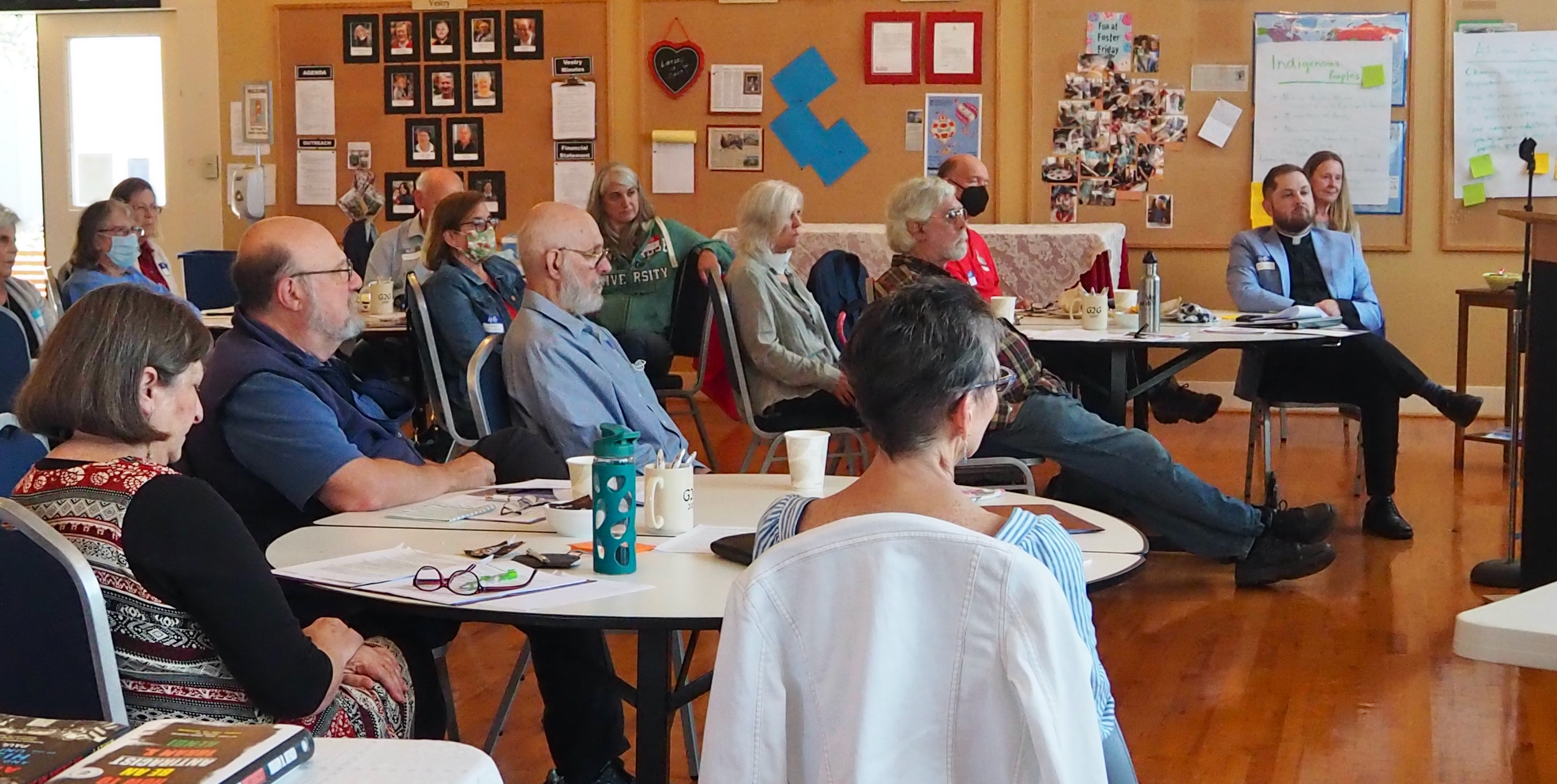
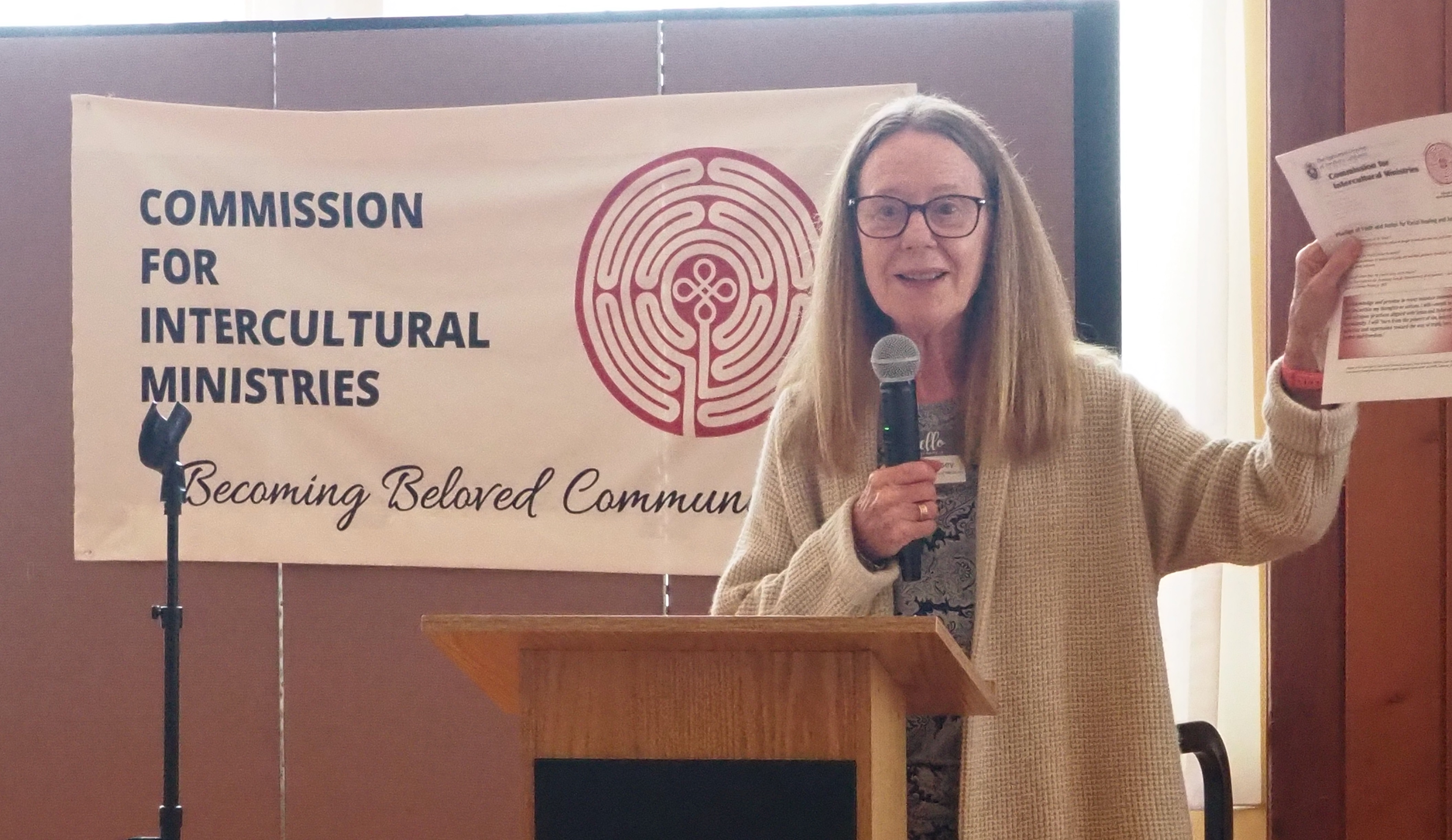
Yesterday, we hosted a diocesan training program for the deanery called “I Will with God’s Help: Journey Toward Racial Healing and Justice,” led masterfully by Miriam Casey, Bob Wohlsen, and JoAnn Williams who serve on the diocesan Commission for Intercultural Ministries. We faced the disturbing truth of our church’s history of racism and prejudice towards indigenous peoples, African Americans, Latino Americans, and Asian Americans. This meant acknowledging the Wiyot massacre of 1860, when hundreds of Wiyot elders, women, and children were brutally slaughtered by white settlers while the Wiyot men were celebrating their world renewal ceremony.
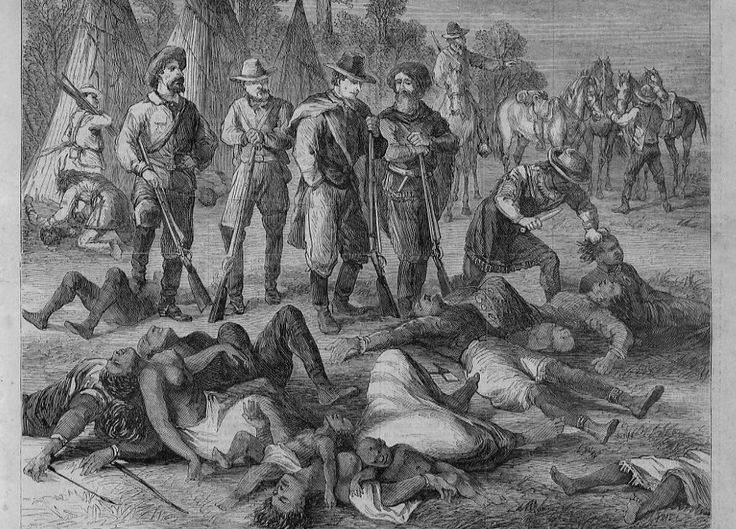
This involved acknowledging the Episcopal Church’s endorsement of slavery and Jim Crow laws. This also involved acknowledging the expulsion of the Chinese from Eureka in 1885. Eureka’s vibrant Chinatown was between F and E street and 4th and 5th street and, at the time, this church was located on 4th and E, right on the corner of Chinatown. A couple years ago, a parishioner here was interested in writing a book about the history of our church, but eventually discontinued the project out of disappointment and despair because they learned that our church had remained painfully silent and aloof while the Chinese were forcibly removed from Eureka, while the Chinese were being threatened to death right outside the church’s doors. As we acknowledged these disturbing histories, we were invited to become aware of our emotions and to feel whatever we were feeling without judgement, but rather with love and compassion and hospitality and curiosity.
I felt a sense of shame and yet I was also personally surprised and inspired by the fact that so many people who had been victims of prejudice and oppression from the church had remained faithful and even grateful to the church for sharing with them the Good News of God’s Love. The Gospel still seemed to be conveyed and received even though it was delivered along with the sinful baggage of racism, colonialism, prejudice, and even genocide. I felt personally convicted as I heard the gruesome details about the Chinese Expulsion taking place right on our church’s doorsteps. I wondered, did Christ Church ministers choose to not get involved because they didn’t want to upset any wealthy parishioners who were in favor of the “Eureka Plan” to remove the Chinese? Did Christ Church not get involved because that would be considered too political? And are there grave injustices happening right outside are walls today about which I remain silent lest I sound too political? How will future historians look back at Christ Church Eureka during our time? Will they be disappointed by our silence or inspired by our courageous compassion?

I tried to welcome and entertain all the emotions I was feeling, even if they were a crowd of sorrows, violently sweeping my house empty of its furniture. I tried treating each emotion like an honored guest who may be clearing me out for some new delight.
In today’s Gospel, Jesus says, “When you throw a party, invite the poor, the crippled, the lame, and the blind.” On one level, I hear Jesus inviting us to show hospitality to the parts of ourselves that are poor, crippled, lame, and blind; the parts of ourselves that are broken and in need of compassion, the parts of ourselves that feel like broken cisterns, that Jeremiah describes (Jer. 2:13). God says some harsh things through Jeremiah to the people of Israel, accusing them of “defiling the land” (Jer 2:7) In what ways have we defiled the land? And maybe not us, but our ancestors. Remember God says, “I accuse you and your children’s children” (Jer. 2:9). These sins of our ancestors haunt us still.

So how do we receive what we are feeling? The crippled parts of ourselves. The parts of ourselves that are broken and need some attention. Sometimes the reason we want to avoid dealing with other people who are in need is because we have refused to show hospitality to certain parts of ourselves that need attention and compassion. Sometimes before we can effectively open our hearts with love to the poor, we need to first open ourselves with love to the poverty we feel within our own hearts.
On another level, I hear Jesus cheering us on in the work we are already doing here at Christ Church while also challenging us to do more. This last week, a parishioner shared an article with me about a recent report that has found that Humboldt County residents need to make more than the current minimum wage in order to afford a rental in the county. Let’s let that sink in. People earning minimum wage might be able to pay their rent, but they won’t have much left over for much else, like food or gas or medical expenses and certainly not for any savings. We really should not be shocked to learn that such desperate situations lead people to lose their homes. In today’s teaching, Jesus clearly calls us to be hospitable and compassionate to those who are struggling in this way for they are our brothers and sisters. He urges us to throw a lavish party for them and expect nothing in return. Not even a thank you. Is today’s Gospel challenging us to advocate for more affordable housing here in Eureka? Is today’s Gospel challenging us to give more generously to Betty Chinn or to the Food Bank?
So, on one level, I hear Jesus inviting us to show hospitality to our own emotions and to the parts of ourselves that feel poor and crippled. On another level, I hear Jesus cheering us on in our many outreach ministries and challenging us to open our hearts even more to the poor, the hungry, the mentally ill and the precariously housed among us. And finally, I hear Jesus describing for us the banquet of the Beloved Community, the feast of the Kingdom of God. If we look at the next verse in this chapter (which is unfortunately omitted from today’s reading) we learn that one of the dinner guests overheard Jesus teaching and then exclaimed, “Blessed is the one who will eat in the kingdom of God!” (Luke 14:15). Jesus then proceeds with another parable that affirms that this dinner guest gets it. When Jesus is describing a party for the poor he is describing the banquet of the Beloved Community, the banquet to which all are invited and welcomed and loved and served directly by the divine host, who makes our cups overflow. At this feast, we enjoy the hospitality that is shown to the angels, and this is the feast in which we are invited to participate this morning at this altar. Blessed is the one who will eat in the kingdom of God, in the Banquet of the Beloved Community. Amen.
[1] Rumi, “The Guest House” translated by Coleman Barks. https://www.thepoetryexchange.co.uk/the-guest-house-by-rumi


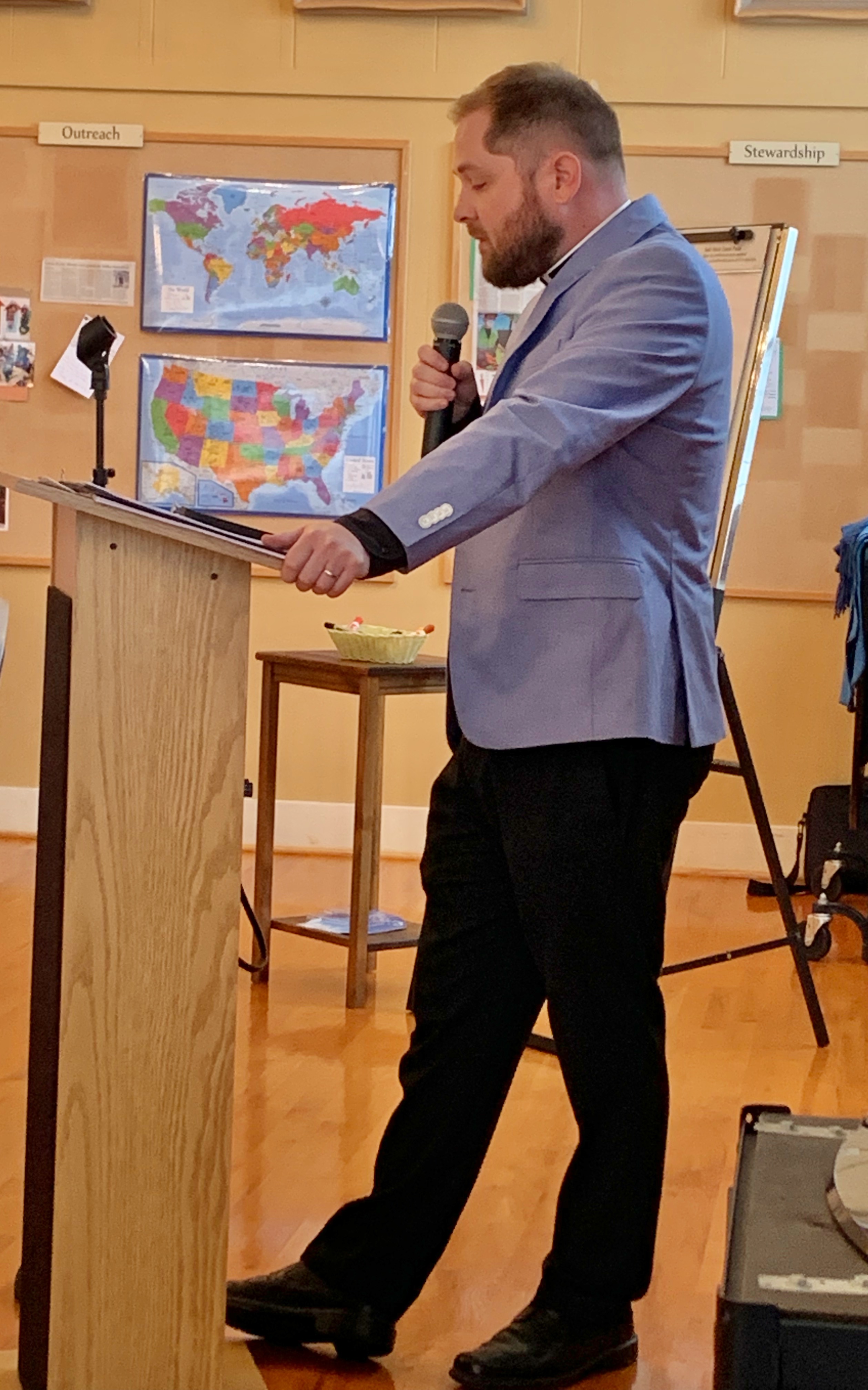


 DANIEL DeFOREST LONDON