
A brief introduction to the Anglican Church of South America for the Anglican Cycle of Prayer
In the Anglican Cycle of Prayer, we pray for the Anglican Church of South America, formerly known as the Anglican Church of the Southern Cone or La Iglesia Anglicana del Cono Sur, which includes Argentina, Northern Argentina, Paraguay, Peru, Bolivia, and Uruguay.[1]
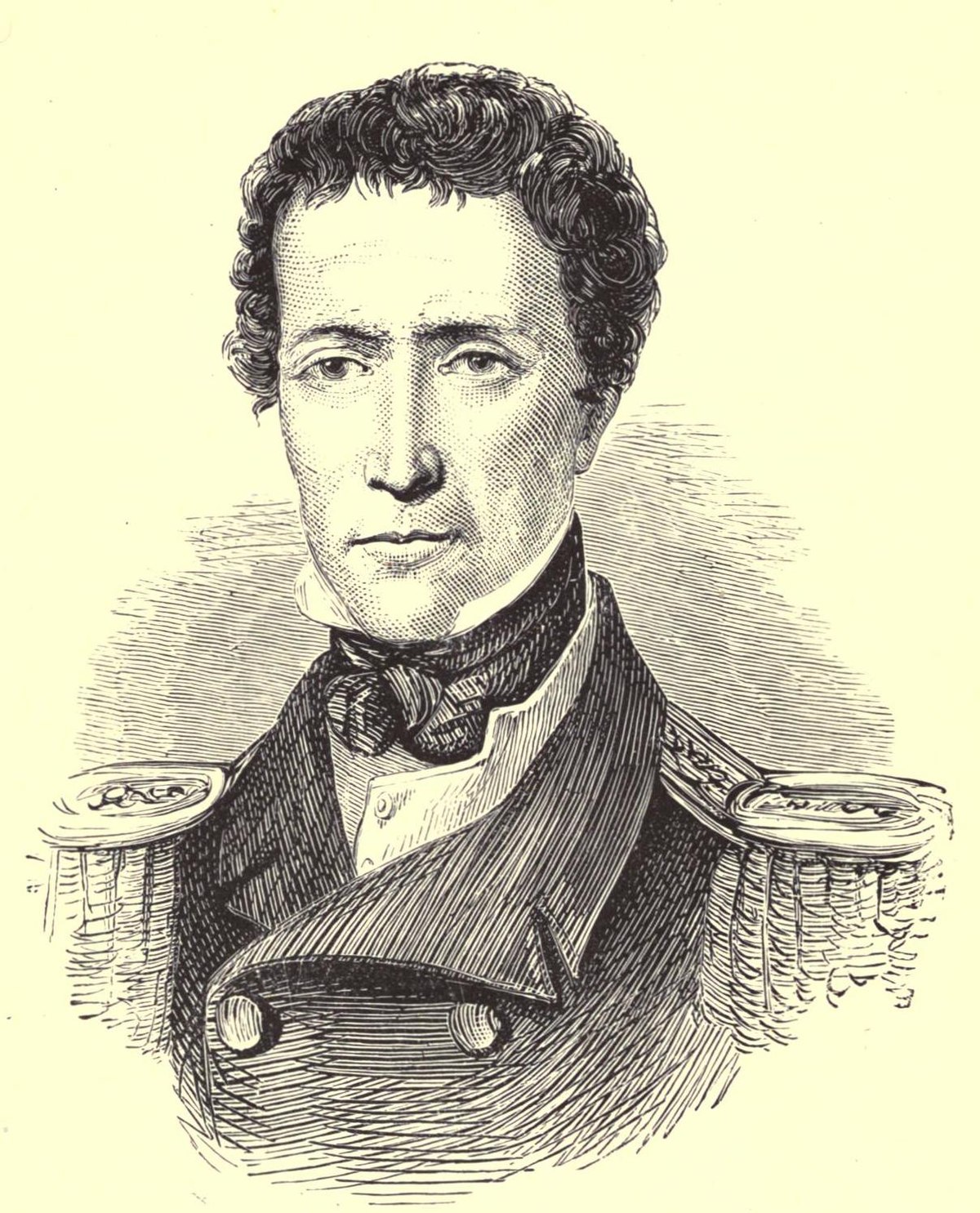
Anglican clergy first arrived in South America in the early 19th century as pastors to British expatriates, who had no intention of evangelizing since they understood the predominantly Roman Catholic continent as already sufficiently Christian. It was British Royal Navy officer Captain Allen Francis Gardiner (1794 – 1851), the founder of the Patagonia Missionary Society in 1844, who had the intention of evangelizing the indigenous peoples of the continent, especially the inhabitants of Tierra del Fuego known as Fuegians.[2] Tragically, Gardiner and his missionary team were met with hostility and were not adequately prepared for the harsh elements. In September of 1851, they all died of starvation and in his final days, Gardiner wrote in his journal:
“Grant, O Lord, that we may be instrumental in commencing this great and blessed work, but shouldest Thou see fit in Thy providence to hedge up our way, and that we should even languish and die here, I beseech Thee to raise up others, and send forth labourers into this harvest. Let not this mission fail!”[3]
After a second mission to Tierra del Fuego resulted in the death of another missionary team,[4] the Rev. Thomas Bridges led the third mission among the Fuegians, which proved much more successful. Having studied their language and culture in some depth, Bridges was able to effectively share the Gospel with them and inspire transformation in their behavior towards outsiders so that the same Fuegians who previously attacked and killed missionaries later became rescuers to sailors of sunken ships.[5]

Soon after Gardiner’s death, the Patagonia Missionary Society changed its name to the South American Missionary Society (or SAMS), which sent missionaries to evangelize other indigenous peoples of the continent, especially within the region known as the Gran Chaco.[6] One unexpected but enthusiastic supporter of SAMS was Charles Darwin, who had encountered Fuegians in his own travels. In 1888, Lay Reader and Catechist Wilfred Barbrooke Grubb of Scotland began evangelizing among the Enxet in Paraguay and then later among the Mataco and Toba people in Northern Argentina. [7] Since then, Anglican mission work has expanded among the Guaraní in Paraguay and the Wichi in Argentina.

The province was officially formed in 1981 and has grown less dependent on foreign missions and outside financial support and more reliant on its own national leaders, even in the face of numerous challenges such as earthquakes, revolutions, war, poverty, military dictatorships, and political corruption. The Anglican church has sought to protect and advance Indian rights, to safeguard the sacred lands of indigenous peoples, and to assist in economic self-sufficiency.[8] Liberation theology, a Christian theological movement that emphasizes liberation for the poor and oppressed, has played a significant role in the inculturation of Anglicanism in the South American context.[9]
Today, the 25,000 Anglicans in South America embody the answer to Captain Allen Gardiner’s dying wish and prayer. May we keep this in mind as we hold the Anglican Church of South America in our hearts.
Fun facts:
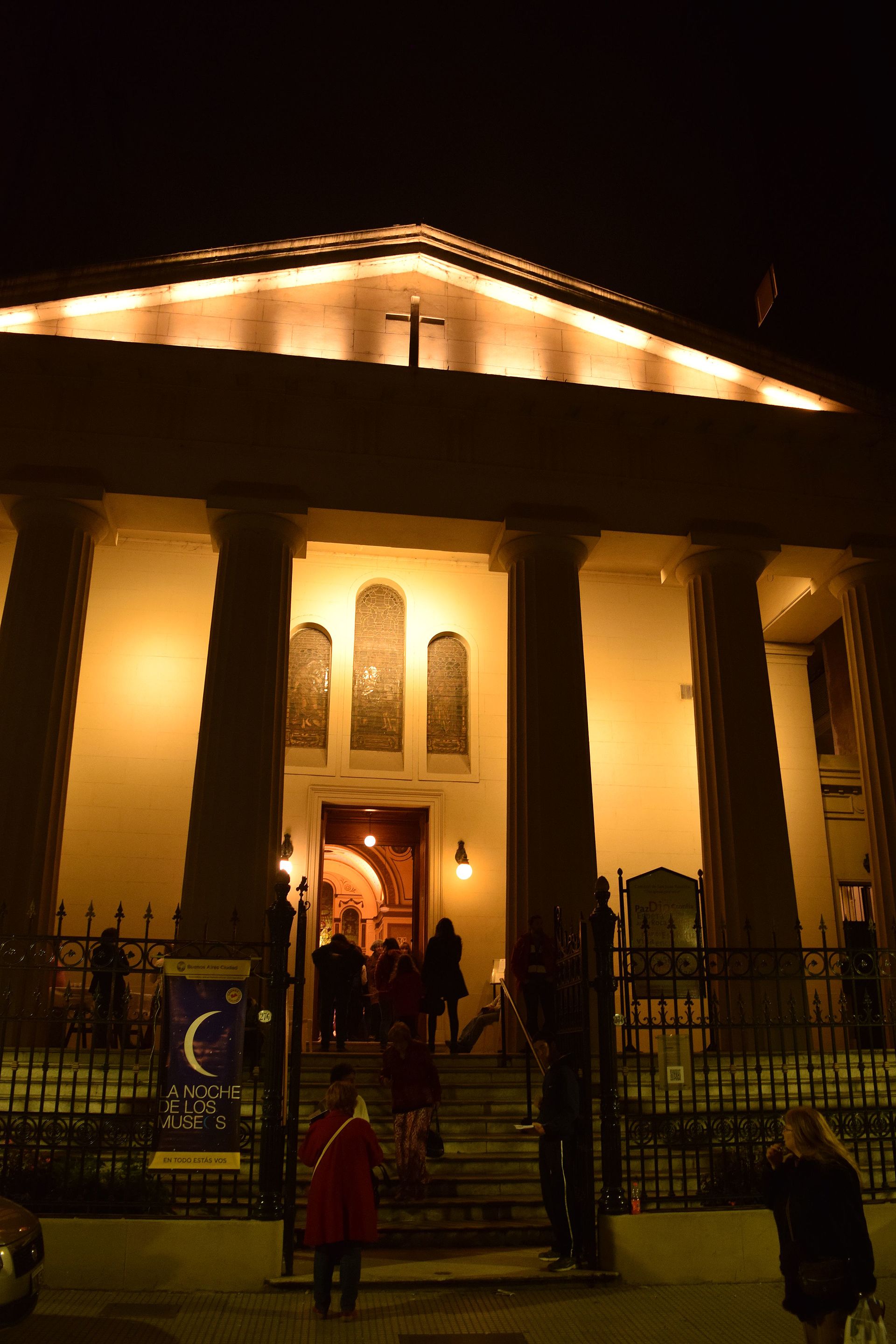
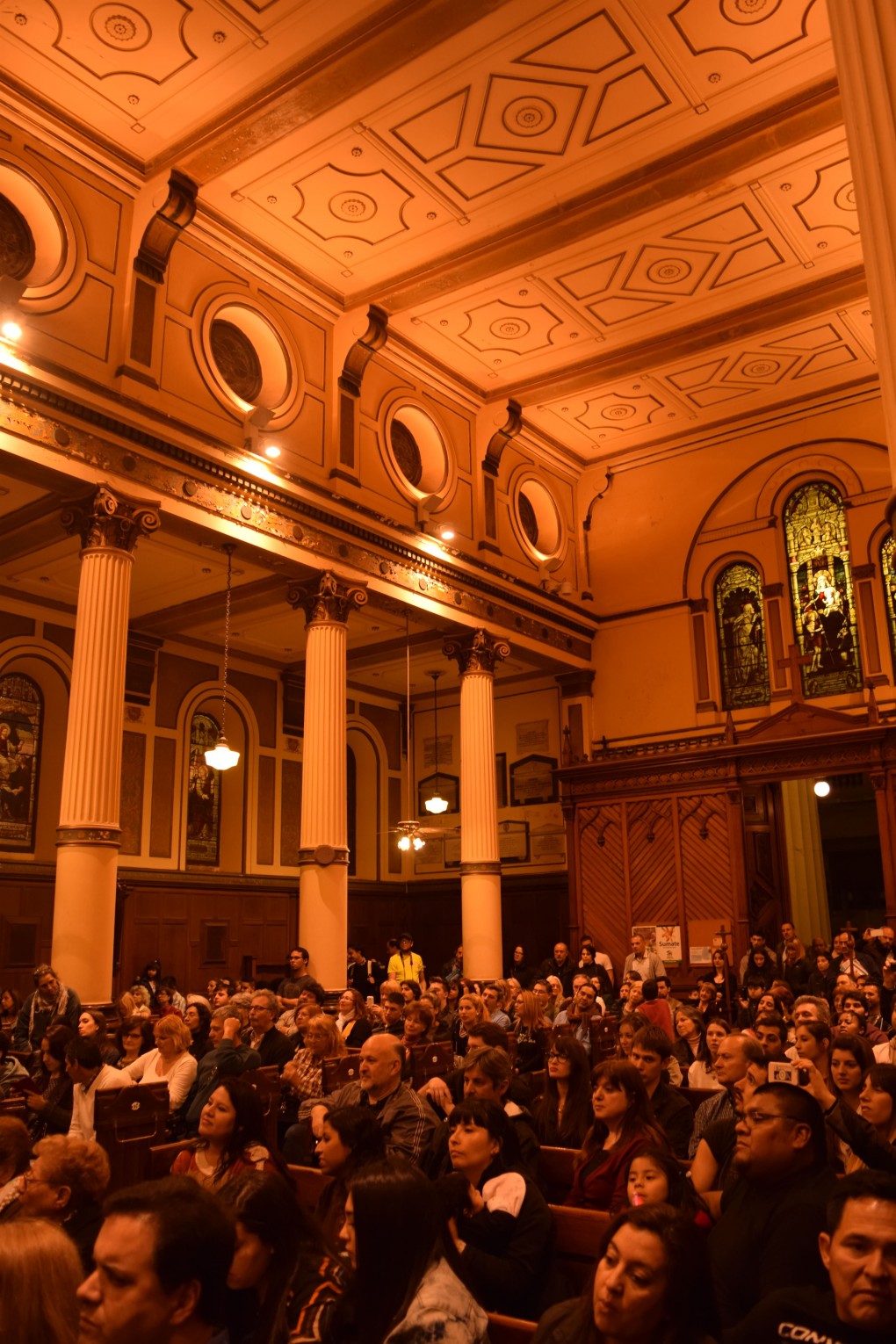
- The Anglican Cathedral of St. John the Baptist in Buenos Aires, Argentina was built in 1830 and is the oldest non-Catholic church building in South America.
- The Very Rev. Sara Potter (the dean of the Sempervirens deanery) worshipped in the Anglican Church of South America while serving in the Peace Corps in Paraguay.
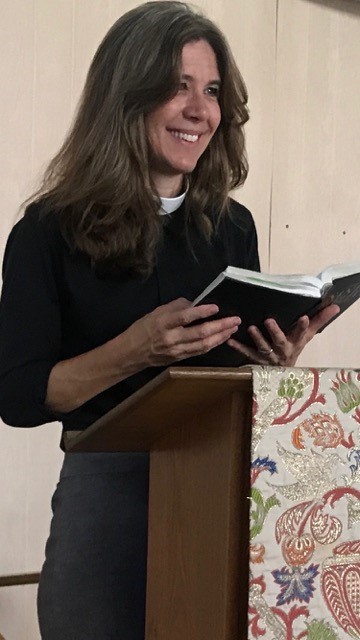
- In 2015, the diocese of Bolivia ordained the first woman priest in the province, the Rev. Tammy Smith-Firestone, who now serves as the Assistant Priest at St. John’s in Chico![10]
[1] In 2018, the diocese of Chile (formally a founding diocese of Cono Sur) became its own province: The Anglican Church of Chile, consisting of four dioceses. John Macdonald writes, “Due to its founding for the most part by the Anglican evangelical missionaries from the South America Missionary Society, the province is strongly evangelical in character and theology in most of the dioceses. Chile, Argentina, Northern Argentina, and Paraguay would be more Protestant in their expression, while Bolivia, Peru, and Uruguay would be more Catholic.” John A. Macdonald, “La Iglesia Anglican del Cono Sur (The Anglican Province of the Cono Sur)” in The Wiley-Blackwell Companion to the Anglican Communion, ed. Ian S. Markham et al. (Malden MA: Wiley-Blackwell, 2013), 551. The Rev. Tammy Smith-Firestone adds nuance to these generalizations, explaining that each congregation in Bolivia has its own flavor but leans more evangelical, with charismatic influences. Bishop Frank Lyons described the diocese of Bolivia as having “three streams”: Evangelical, Anglo-Catholic, and Charismatic. Peru tends to be more Anglo-Catholic, especially in its incorporation of St. Mary. Smith-Firestone, Facebook Messenger, June 9, 2022.
[2] Gardiner was particularly interested in evangelizing the Yaghans, the world’s southernmost people.
[3] “The Story of Commander Allen Gardiner, R.N. With Sketches of Missionary Work in South America” By John W. Marsh, M. A. Rector of St. Michael’s Winchester and W. H. Stirling, D.D. Bishop of the Falkland Islands, London: James Nisbet, 1883. http://anglicanhistory.org/sa/gardiner/marsh/05.html, (June 28, 1851).
[4] In November 1859, the mission team “started worship services and then were suddenly attacked and killed. The relationship between the Yaghans and the missionaries had been deteriorating for reasons that still remain unknown, and the mission party was beaten with clubs and stoned to death.” Macdonald, “Cono Sur,” 549. See Nick Hazelwood, Savage: The Life and Times of Jemmy Button (New York: Thomas Dunne Books/St. Martin’s Press, 2000), 253.
[5] The Yaghans rescued mariners from a sunken Italian ship and provided them with food and blankets. “The King of Italy,” Macdonald writes, “was so impressed by their response to the tragedy that he issued a medal in honor of the Yahgans and Thomas Bridges.” Macdonald, “Cono Sur,” 549.
[6] Gardiner, who first sought to evangelize the Mapuche, had always wanted to expand the mission to all the indigenous peoples of South America, not just Patagonia (the southern region of South America, governed by Argentina and Chile). SAMS is now called the Society of Anglican Missionaries and Senders, though South American Mission Society remains its legal name.
[7] Wilfred Barbrooke Grubb married Mary Ann Varder Bridges, daughter of Thomas Bridges, and became Thomas Bridges’ son-in-law.
[8] Kevin Ward, A History of Global Anglicanism, 105. Firestone writes, “Some dioceses like Bolivia and Paraguay… are small and still very dependent on exterior financial support, having to find creative ways of generating revenue (preschools, government programs, selling baked goods, etc). Chile and Argentina are stronger financially/self-sustaining.”
[9] See John L. Kater, “Latin American Anglicanism in the Twentieth Century” in The Oxford History of Anglicanism Volume V: Global Anglicanism, c. 1910 – 2000, ed. William L. Sachs (Oxford UK: Oxford University Press, 2018), 98 – 123. Offering a different perspective, Smith-Firestone writes, “I saw little influence or discussion of liberation theology in the Anglican church in Bolivia or in what I understand of the Province, with the possible exception of Northern Argentina.” Smith-Firestone, Facebook Messenger, June 9, 2022.
[10] In her very helpful message to me, Rev. Tammy Smith-Firestone wrote, “In 2015 the province approved local ordination of women to the priesthood, meaning that each diocese can decide and that the preferences of that diocese are to be respected when in that diocese. I was the first woman ordained in the province in 2015, but I believe that there are now women [priests] in Argentina and Paraguay. And …unless things have changed since I left in 2020, the Province of South America is not in communion with TEC over the issue of homosexuality. Our congregation’s working relationship with a few TEC congregations was frowned upon by the outgoing bishop (the one from Singapore [Bishop Raphael Samuel). That said, in my conversation with Bishop [Walter] Toro [Martínez] today [June 9, 2022] he said he would like to restore relationships with congregations in the United States. And I believe the current bishop of Uruguay was in a new bishop’s conference with Bishop Megan last month, which is also very encouraging.” Smith-Firestone, Facebook Messenger, June 9, 2022.

 DANIEL DeFOREST LONDON