
Readings for the Feast Day of William Law
- 2 Peter 1:3-11
- Psalm 1
- Matthew 6:1-8
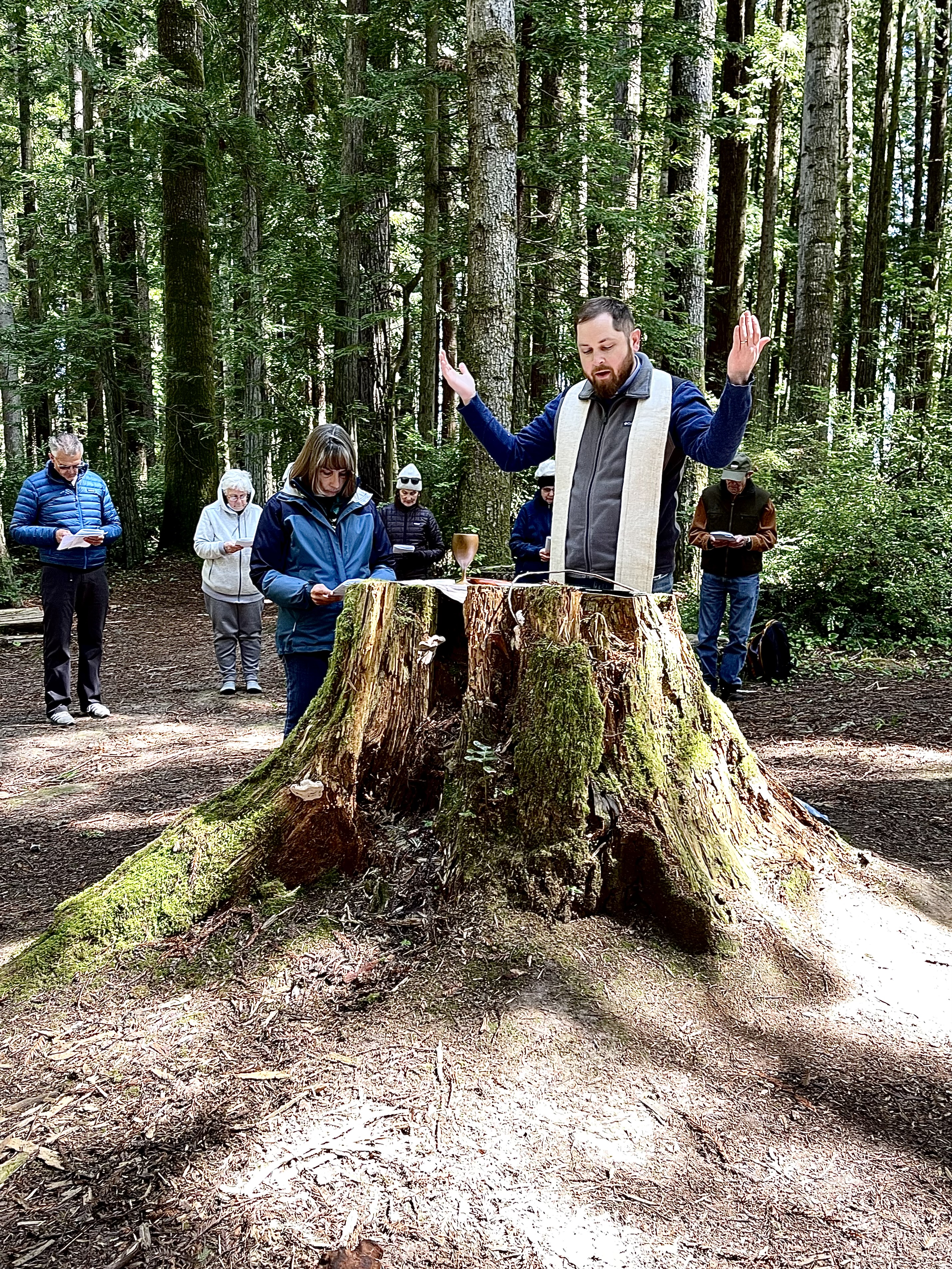
This reflection was shared at Sacred Saunter Outdoor Eucharist on Saturday April 9, 2022 at Sequoia Park in Eureka.
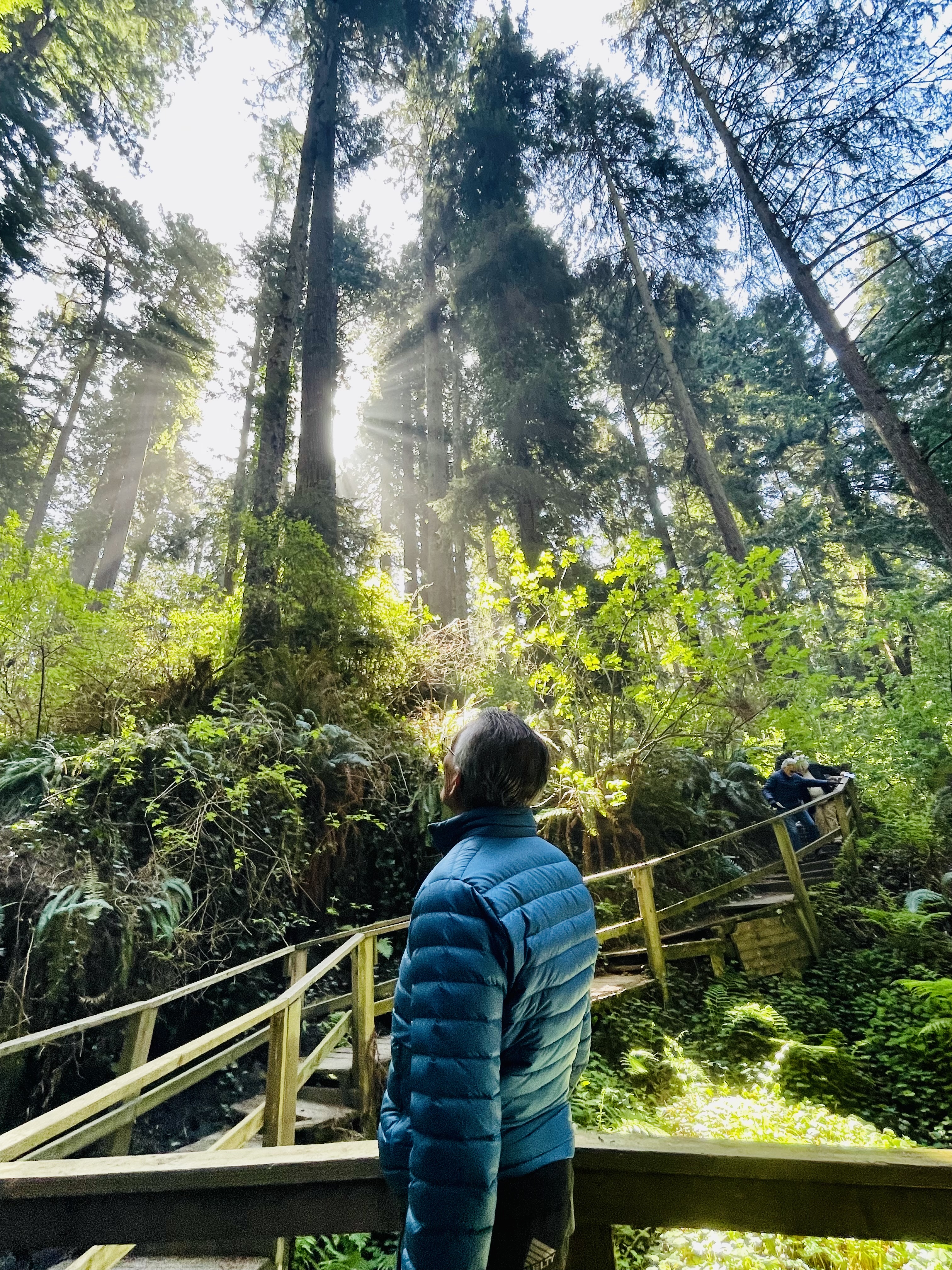
William Law was a Church of England priest in the 18th century who challenged Anglicans to take Christian living seriously in his most popular book titled A Serious Call to a Devout and Holy Life, which received more enthusiastic response than he could have ever imagined, especially in the lives of Anglicans such as Henry Venn (anti-slavery activist and son of John Venn, inventor of the Venn diagram), George Whitefield (a preacher in the Great Awakening) and John Wesley (the founder of Methodism), all of whom he strongly influenced. More than any other man, William Law laid the foundation for the religious revival of the 18th century, the Evangelical Movement in England (which essentially led to the abolition of the slave trade in England), and the Great Awakening in America, which happened to be characterized by preachers preaching and people gathering for worship outdoors, like we’re doing now. I often think of the outdoor setting of these religious revivals as just an interesting part of the story; however, I’m now starting to wonder if the outdoor setting was, in fact, an essential part of the story. There’s something about the combined sentience of humanity and the natural world that supports spiritual awakening. Remember the Buddha attained his awakening under a Bodhi tree. Perhaps it was the trees and More Than Human World that supported the Great Awakening in the 18th century…
William Law is also considered one of the most prominent post-Reformation mystics in the Anglican tradition; and the great philosopher Aldous Huxley called him “one of the most interesting thinkers of his period and one of the most endearingly saintly figures in the whole history of Anglicanism.”[1] In Huxley’s book The Perennial Philosophy, he explores the shared wisdom of all the major faith traditions, quoting the Sufi mystic Rumi, Lao Tzu, Pascal, St. Anselm, the Upanishads, Meister Eckhart and many more. But more than any other Anglican, he quotes William Law whose wisdom (he believes) is on par with the greatest spiritual luminaries of human history. In his chapter on silence, Huxley begins with three quotes: one from the Spanish mystic St. John of the Cross, one from Lao Tzu and then one from William Law, who says, “The spiritual life is nothing else but the working of the Spirit of God within us, and therefore our own silence must be a great part of our preparation for it and much speaking [will hinder the] good which we can only have from hearing what the Spirit and voice of God speaks within us.”[2] So on that note, I will stop speaking and invite us to practice some silence together and listen to the Spirit of God within us and all around us.
[1] Aldous Huxley, The Perennial Philosophy: An Interpretation of the Great Mystics, East and West (New York: HarperCollins, 2004), 177.
[2] Aldous Huxley, The Perennial Philosophy, 216. William Law’s quote is flanked by a quote from St. John of the Cross (“The Father uttered one Word; that Word is His Son, and he utters Him forever in everlasting silence; and in silence the soul has to hear it”) and a quote from Lao Tzu (“He who knows does not speak; he who speaks does not know”), both of which resonate with Christ’s teaching in Matthew 6:7: “When you are praying, do not heap up empty phrases as the Gentiles do; for they think that they will be heard because of their many words.”


 DANIEL DeFOREST LONDON