
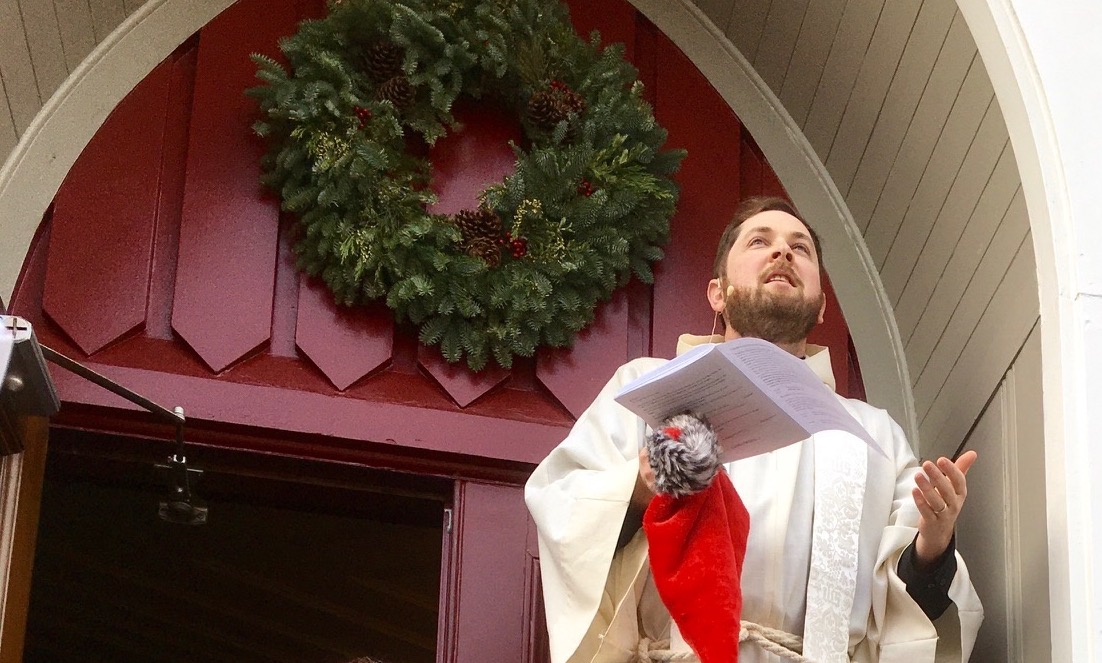
This sermon was preached at Christ Episcopal Church Eureka on Sunday January 5, 2020.
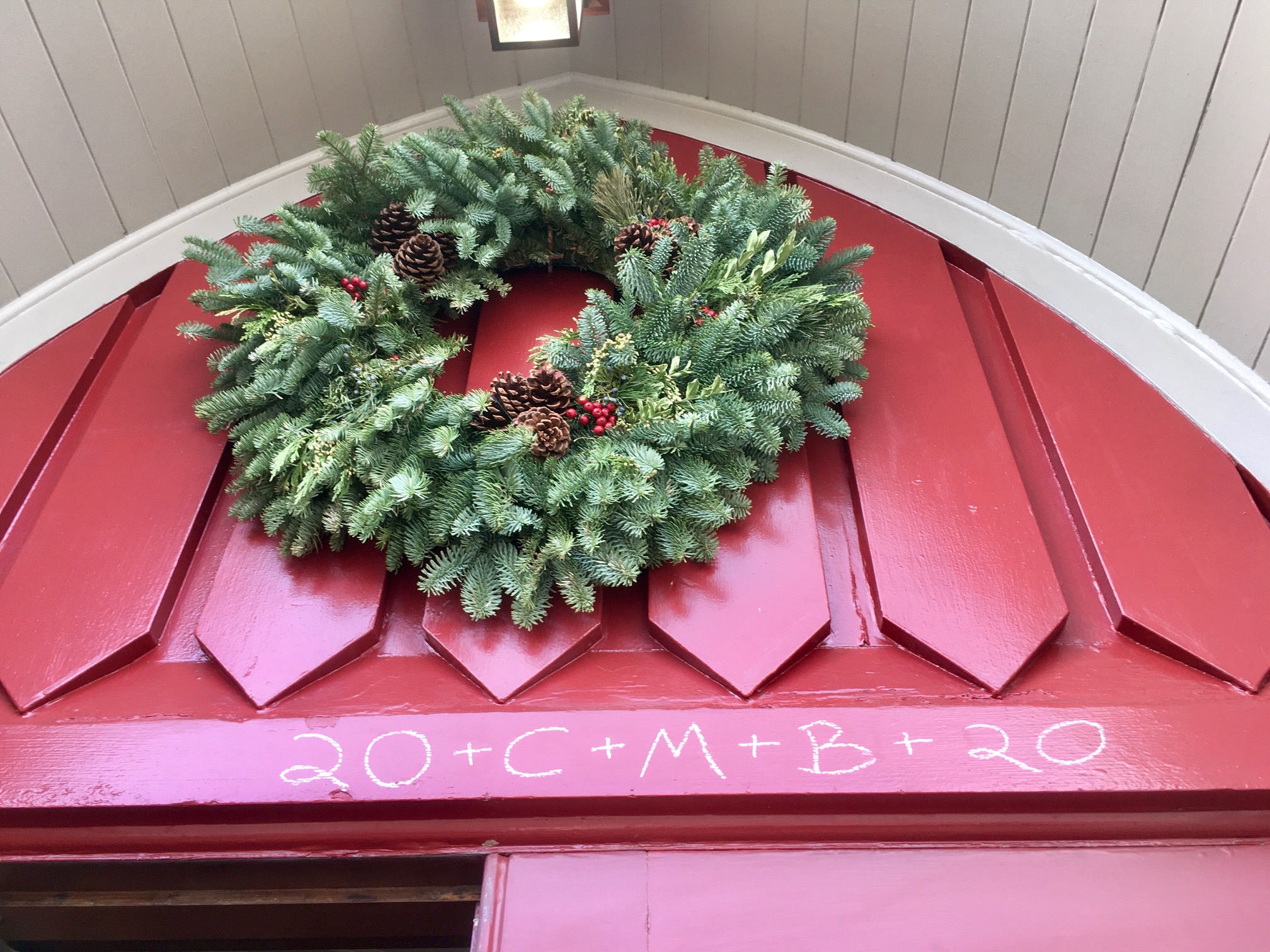
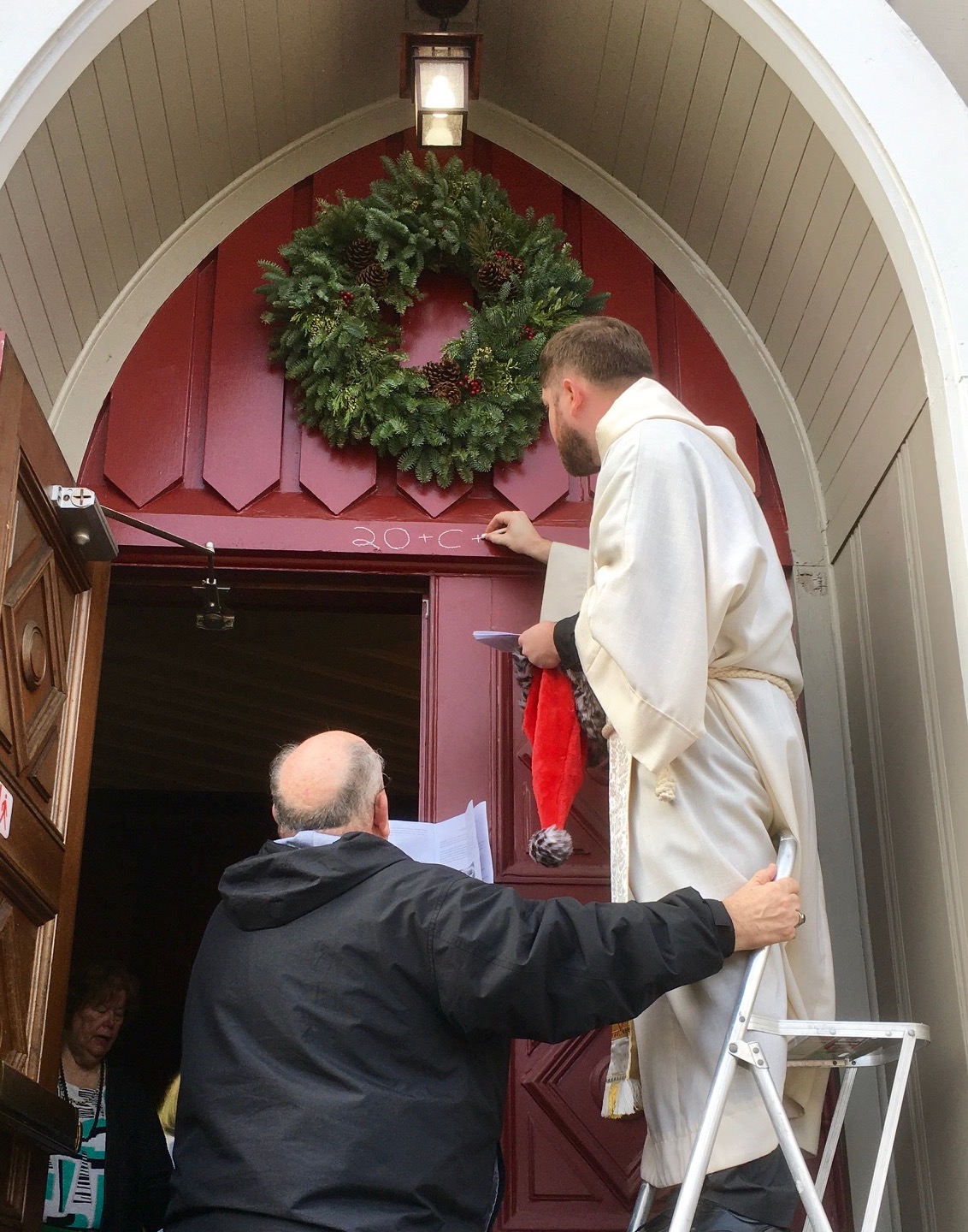
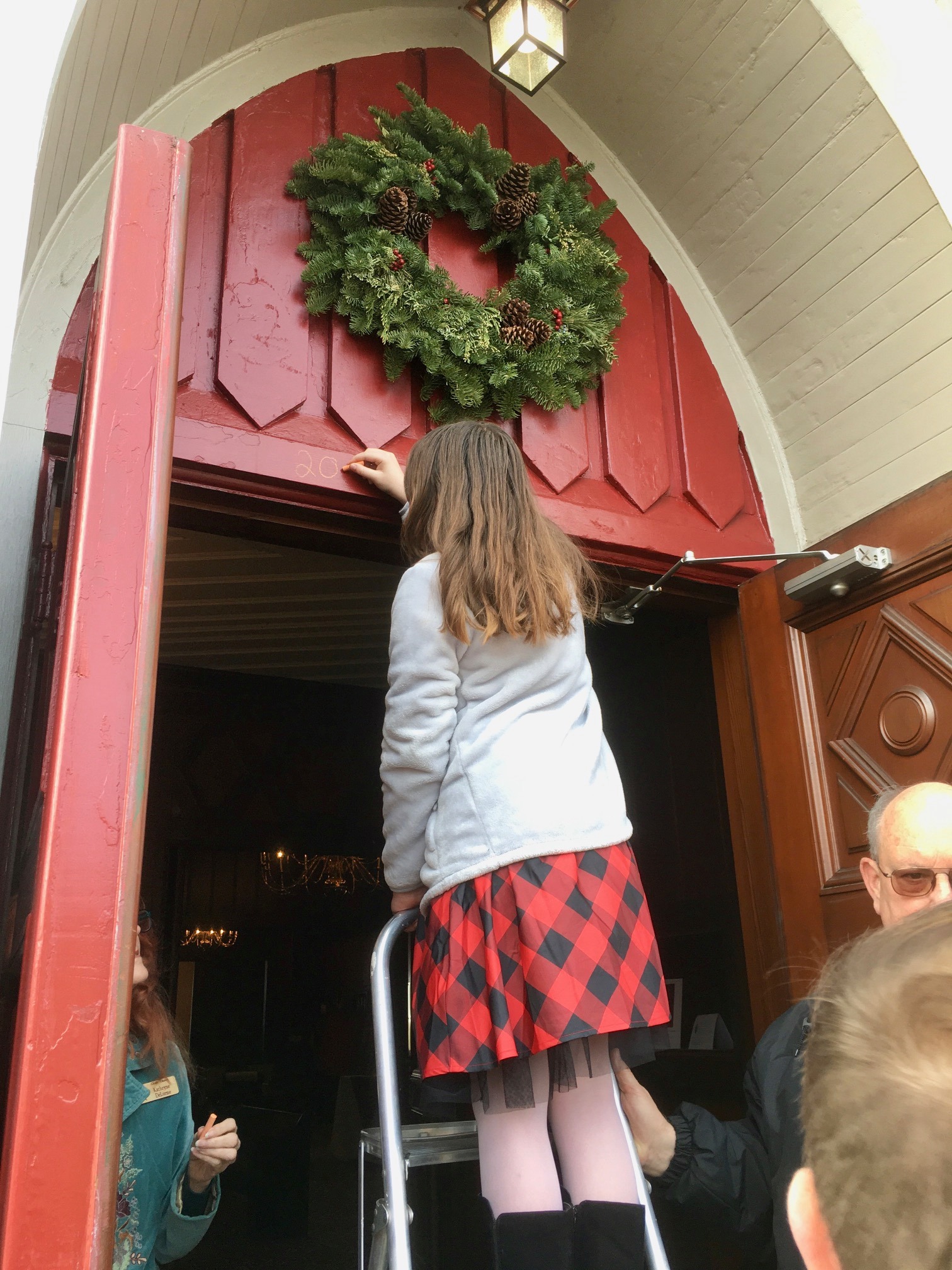
Today is the twelfth day of Christmas and we are celebrating this day not with twelve drummers drumming but rather with King’s Cake, crowns, the chalking of the lintel of our doors and the journey of the Magi because today is also the Eve of the Feast of the Epiphany. Fun fact: Shakespeare named one of his plays after this evening. The play “Twelfth Night” refers to the twelfth night of Christmas (tonight); and we Episcopalians generally keep our Christmas decorations up until at least Epiphany, and sometimes a little bit longer. On Epiphany, we celebrate the journey of the Magi and the gifts they brought to the Christ child, an event only described in the Gospel of Matthew. Now most of us think that there were three wise men, but how many are mentioned in the Gospel passage we just heard? It doesn’t say. It just says “Wise men from the East.” Tradition has taught us that there were three wise men and tradition has also given each of these wise men names: Caspar, a king and astrologer from India, Melchior from Persia (which is modern-day Iran), and Balthazar from Arabia. When we chalk the lintels of our doors here, which we’ll do after Eucharist, we use their initials “C M B” as a way to communicate to ourselves and to the world that the Christ child is still here among us for all those who seek him. The initials also function as an acronym for a Latin phrase of blessing: “Christus Mansionem Benedicat” which means “May Christ bless this house [of worship]” and “May Christ bless all those who pass through these doors.”
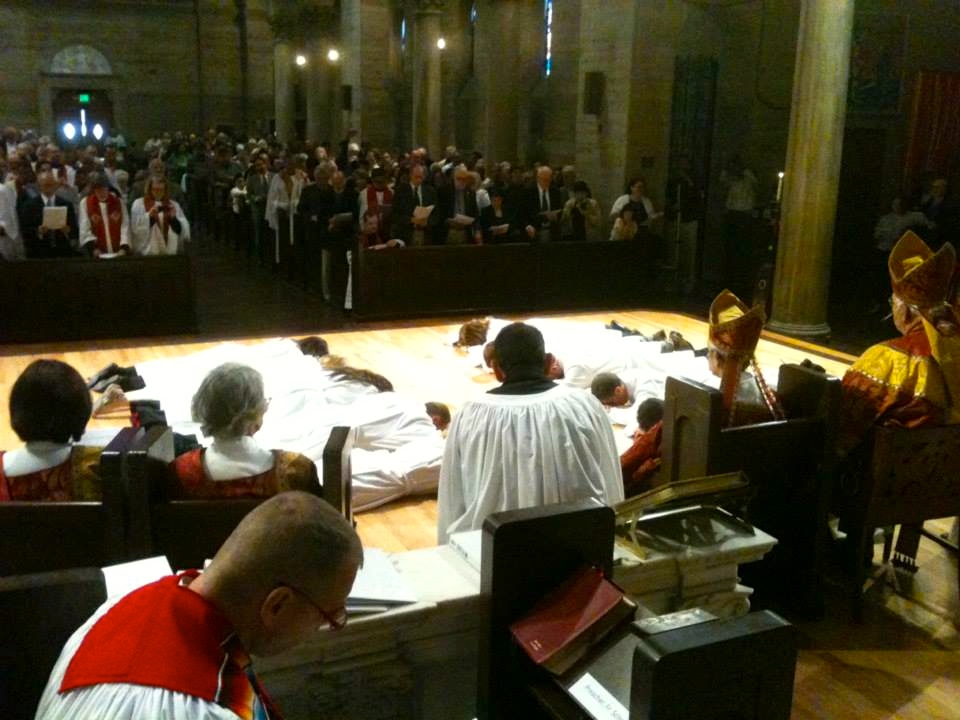
Most likely, the reason why tradition has upheld the wise men as three is because the magi brought three gifts according to Scripture: gold (which represents of the royalty of Christ), frankincense (which represents the divinity of Christ), and myrrh (which represents the sacrificial death and burial of Christ). These three gifts are all significant, but not as important as the fourth or perhaps the first gift of the Magi, which often gets overlooked. The Gospel says, “On entering the house, they saw the child with Mary his mother; and they knelt down and paid him homage” (2:11). The original Greek word here for “paying homage” is proskyneo which really means that, after kneeling, the wise men fully prostrated themselves on the ground before the child, a bodily expression of humility and worship and self-giving. The most important gift of the Magi. They prostrated themselves just as I did at my ordination six years ago in Los Angeles as hundreds of people sang, “Veni Sancte Spiritus” (Come Holy Spirit) and as I did again here, in the middle of the nave, almost two years ago at our Celebration of New Ministry, when I prayed, saying, “O Lord my God, I am not worthy to have you come under my roof; yet you have called your servant to stand in your house, and to serve at your altar. To you and to your service I devote myself, soul, spirit, and body.” By paying homage in this way, the wise men were expressing their devotion to Christ in soul, spirit, and body. And I invite us to reflect on this gift of the Magi this morning, as we consider the ways we express our devotion to Christ here in soul, spirit, and especially body.
Jesus summed up all the Law and the Prophets, saying, “Love the Lord your God with all your heart, soul, mind and strength.” (Matt 22:37: Mark 12:30; Luke 10:27). The original word for “strength” really means “everything,” “your whole self,” including your body. One of the many aspects I appreciate about the liturgy in the Episcopal Church is how we not only engage the mind and the heart, but we also engage the body. Worship is not just some intellectual exercise or some emotional high. It’s not just a head-trip or a heart-trip. Although I hope that we do indeed learn and grow in our knowledge of Christ and feel our hearts warmed by God’s love in this place, that’s not enough and that’s not really what worship is all about. Worship is about paying homage to God with our physical bodies like the wise men. It’s about reminding ourselves, through muscle memory, that all good things come from God and that our primary and ultimate allegiance is to God. To God and God’s service, we devote ourselves, soul, spirit, and body.
Perhaps one of our most famous Episcopalians (likely more famous than any of our bishops or archbishops or cardinal priests) is the late Robin Williams who listed his “Top Ten Reasons to be an Episcopalian.” Some of you may have heard these before, but I want to highlight one of them. In no particular order, his reasons for being an Episcopalian are:
- No snake handling.
- You can believe in dinosaurs.
- Male and female God created them; male and female we ordain them.
- You don’t have to check your brains at the door.
- Church year is color-coded.
- All of the pageantry—none of the guilt.
- Free wine on Sunday.
- You don’t have to know how to swim to get baptized.
- No matter what you believe, there’s bound to be at least one other Episcopalian who agrees with you.
- Pew aerobics.
Pew Aerobics. We all get a bit of an aerobic workout during Episcopal worship, don’t we? Especially during services like last week’s Lessons and Carols, when we sit for the readings, stand for the singing, sit, stand, sit, stand, rinse and repeat, kneel, stand, pass the peace, sit, walk up to the rail, walk back to the pew to sit and stand. It sounds kind of funny, but this is our way of worshipping God like the wise men, with our bodies, our whole selves, including our senses, which we engage through the music, the sweet smell of this sanctuary, and the Eucharist, when we taste and see that the Lord is good.
So I invite us to be present this morning to how we are paying homage to God with our bodies when we kneel, when we stand, when we cross ourselves, when we pass the peace, when we receive the Eucharist and when we chalk the lintels of our doors. May we remain open to God’s glory shining in and through our bodies because God has clearly revealed, through the Incarnation (through Christ), that our fleshly bodies are vehicles for his glory.
Let us pay homage to God by giving our bodies in worship to the one who gives us his body, the one who says, “This is my Body given for you” and “This is my Blood given for you.” These powerful words of Christ take on special meaning for me this week as I prepare to leave this evening for Houston Texas to donate blood to my father as part of his cancer treatment, with the hope that my blood (and especially the natural killer cells within my blood) will bring new life and health by killing his leukemia cells. I see it as an enormous privilege to hopefully help my father in this way; and to embody, in many ways, the message and meaning of the Eucharist, the sacrament of Christ’s self-giving Body and Blood. I thank you for your prayers and I ask that you please continue to pray for me this week as we all pay homage to God in our own unique ways, like the wise men from the East, by devoting ourselves to God and God’s service, heart, mind, soul, and body. Amen.

 DANIEL DeFOREST LONDON