
Readings for the Ninth Sunday after Pentecost (Proper 14 Year C)
Isaiah 1:1, 10-20
Psalm 50:1-8, 23-24
Hebrews 11:1-3, 8-16
Luke 12:32-40
This sermon was preached by Fr. Daniel London at Christ Episcopal Church in Eureka CA on August 11, 2019.
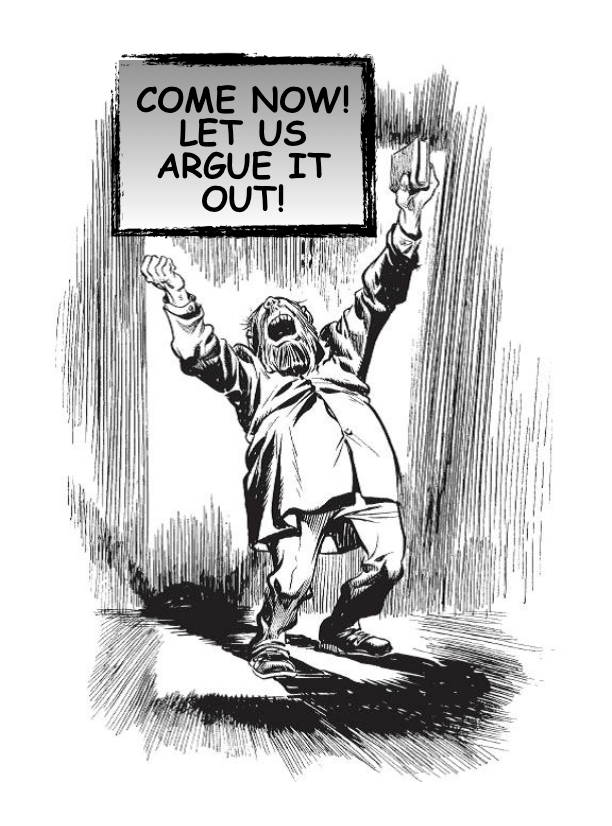
“Come now, let us argue it out, says the LORD” (Isaiah 1:18)
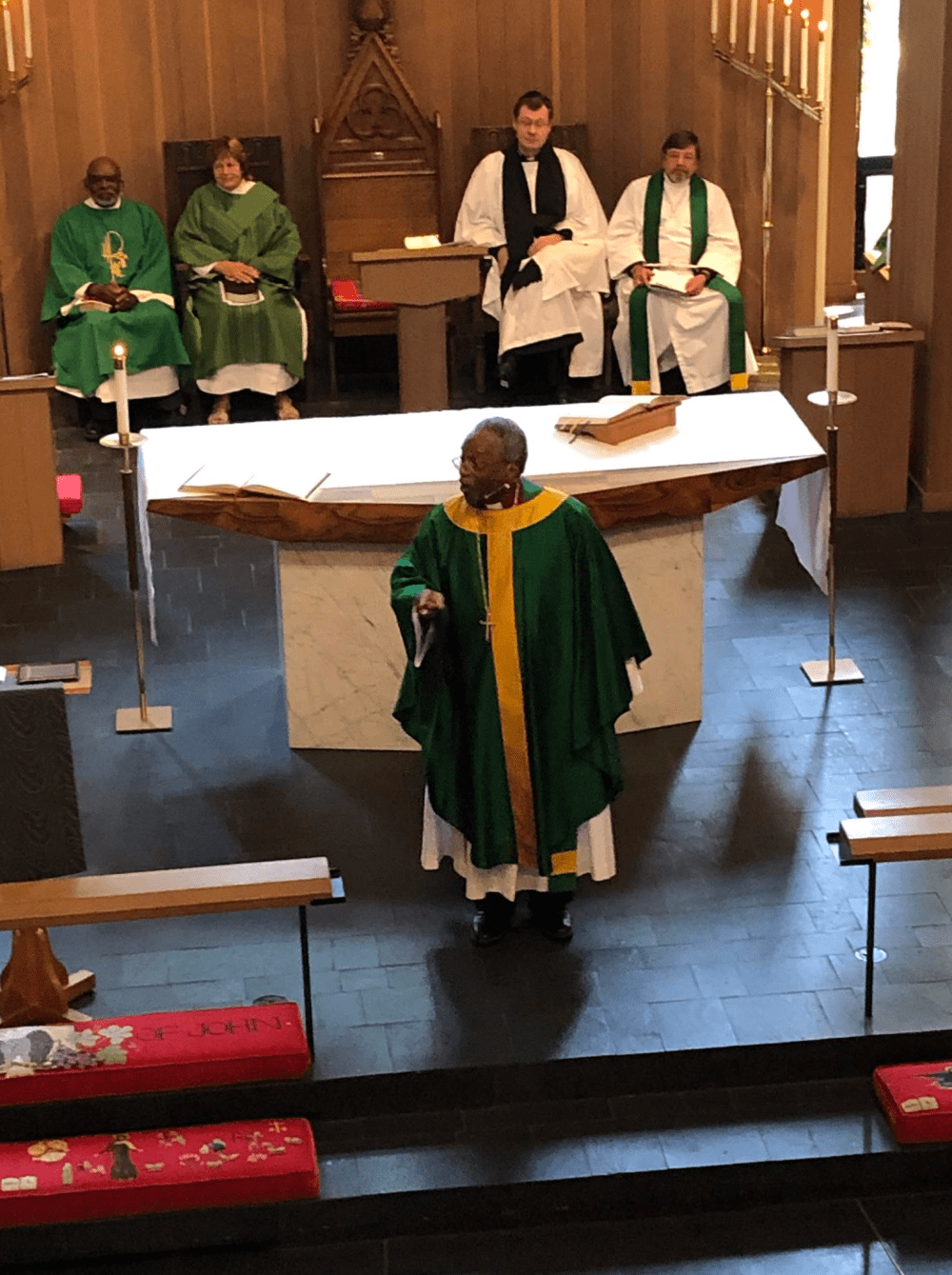
At the end of June, our Presiding Bishop Michael Curry preached at St. John’s Episcopal Church in Chico after visiting victims of California’s most deadly and destructive wildfire known as the Camp Fire which destroyed the city of Paradise last November. Bishop Curry preached on his favorite subject: “The Way of Love as embodied in the Jesus Movement.” Bishop Curry loves to reference the South African biblical scholar Albert Nolan who argues, in his book Jesus Before Christianity, that Jesus did not come to start a religion but to start a movement that continues to this day; and we Episcopalians are invited to claim our identity as the Episcopal branch of the Jesus Movement. We live into this movement, he says, by living into the Way of Love: by loving God, by loving our neighbors and by loving ourselves. At Chico, Bishop Curry elaborated on loving God when he said, “We are here because God loves us. [So] love the Lord your God.” Curry continued, “I didn’t say ‘Agree with him.’ Go ahead and fuss with God if you want to fuss. It’s ok. The Bible does it all the time. If you don’t believe me, read the Psalms! Oh man, they fuss with the Lord all the time. In fact, they say stuff I don’t think I’d be willing to say. But yeah, [go ahead], it’s ok. I mean, [if it’s] somebody you love, it’s ok to disagree with them. Prayer is actually having that conversation. So on those days when you are just fed up,” Curry says, “Take it to the Lord in prayer.’”[1]
In our reading from the Hebrew Scriptures this morning, the great prophet Isaiah preaches a similar message when he says, “Come now, let us argue it out, says the Lord.” In the Bible, God invites us to argue with Him, to bring to Him our anger and frustration and protest, our complaints and laments. Although this way of engaging with God may sound strange or even blasphemous to some of us, we see it all throughout Scripture, being practiced by the great patriarchs, prophets, psalmists, saints and even Christ himself.
In our reading from the Epistle to the Hebrews, the author honors the faith of Abraham, a faith that we are all called to emulate. This is the same faith that empowered Abraham to bargain with God, to haggle with God, on behalf of Sodom and Gomorrah. When our faithful father Abraham learned of God’s decision to destroy Sodom, he audaciously questioned God;[2] and God responded by revealing his willingness to be moved, persuaded, and perhaps reminded of his own eagerness to forgive and reluctance to punish. Moses did the same thing when God was fed up with the children of Israel and wanted them to wipe them out. Moses interceded on their behalf because that is one of the key roles of the prophet: to intercede on behalf of others by sometimes arguing with God and reminding God of his mercy.[3] In the Jewish tradition, there’s actually a story of Noah being reprimanded by God for not arguing with him, for not interceding on behalf of the people whom God drowned in the flood, for not being a true prophet.
More than anything else, Jesus Christ identified as a Jewish prophet following in the line of Abraham and Isaiah and Moses. As a prophet, Jesus interceded on behalf of others, questioned God and even asked God to change his divine plan. In the Gospel this morning, Jesus urges us to also be bold, courageous, audacious and prophetic. He says, “Do not be afraid. God wants to engage with you. Be dressed for action. Make sure your lamps are lit. Buckle up. Fasten your seat belts. I’m not looking for lazy and docile sycophants. I’m looking for people who are awake, alert, and willing to honestly engage and argue things out.” The Scriptures invite us to bring this courage and chutzpah to God in prayer, even if that means questioning or arguing with God. For the most part, Christians throughout history have generally been far too timid to heed this divine invitation and to pray in such a bold and honest way. However, it’s a different story when it comes to our Jewish brothers and sisters, from whom we can learn a great deal.
Today is in fact a very significant day in the Jewish calendar. It is not a holiday or feast day but rather a day of fasting. Today is the Fast Day known as Tisha B’Av (or the Ninth of Av), a day that commemorates the 6 million Jews who were murdered in the Holocaust, a day that also commemorates many other tragedies throughout Jewish history.[4] Jews have continued to remain faithful to God in spite of enormous catastrophes partly because they know how to bring their honest anger to God in prayer. One of the most famous Holocaust survivor’s Elie Wiesel was asked why he believed God permitted the Holocaust. Wiesel said, “I have not answered that question, but I have not lost faith in God. I have moments of anger and protest. Sometimes I’ve been closer to [God] for that reason.”[5] Many other Jewish authors like Elie Wiesel have not been afraid to bring their anger and protest and accusations to a God whom they struggle to understand in light of genocide and other atrocities.
I share this Jewish and biblical tradition of arguing with God today not only because the prophet Isaiah invites us into it this morning when he says, “Come now, let us argue things out, says the Lord”, but also because it is a valid way to pray, as our Presiding Bishop said, especially when we are feeling fed up with so many senseless shootings, terrorist attacks, extreme poverty, suffering children, divisive politics, racism and hatred. In the Bible, God invites us to bring to Him our own personal confusions, frustrations, and disappointments. As Bishop Curry said, ‘Take it to the Lord in prayer.’ Take it to God because God loves you.” And then we do pray, be prepared to receive a response from God that may call you to action. As Isaiah said, “Seek justice, rescue the oppressed, defend the orphan, plead for the widow. If you’re not doing this work, don’t bother worshipping God at all, because such worship makes God nauseous.” As Jesus said, “Be ready for action. Have your lamps lit. Buckle up. Fasten your seat belts. God is calling you to be part of the answer to your questions regarding the world’s pain and suffering.”
This week, I received a letter from someone who visited our church in July from Galveston Texas. In the letter, the visitor shared a story with me inspired by something he read in our Chronicle newsletter. It’s the story of a very affluent woman who was walking down the street on a bitterly cold and rainy day. While snugly wrapped in her fur coat, she looked across the street and saw a woman and her daughter coatless and shivering, huddled together, standing in a wet alleyway. The wealthy woman became outraged at this picture of inhumanity and suffering. So she turned to God in prayer and argued, saying, “My God, why don’t you do something about this?” She then heard a deep rumbling voice from the heavens reply, “I did. I made you.”
Come now, let us argue things out, says the Lord. Do not be afraid. Be ready for action and be ready to be part of the answer to your questions regarding the world’s pain and suffering. Amen.
[1] Michael Curry, https://www.youtube.com/watch?v=BHkY_KHh_74, 17:44 -18:40, accessed August 10, 2019
[2] Richard Elliott Friedman, Commentary on the Torah (New York: HarperCollins, 2001), 65.
[3] Yochanan Muffs, Love and Joy: Law, Language and Religion in Ancient Israel (Harvard University Press, Cambridge, 1992), 11.
[4] Tisha B’Av commemorates the day that the Jewish temple was destroyed by the Babylonians in 586 BCE, the day when the second Jewish temple was destroyed by the Romans in 70 CE, the day that the First Crusade commenced (a crusade that killed 10,000 Jews), the day when the Jews were expelled from Spain in 1492, the day that Germany entered World War I, which caused massive upheaval for European Jews and had consequences that eventually led to World War II the Holocaust; it also commemorates the day when Heinrich Himmler received approval from the Nazi party to carry out “The Final Solution,” a solution that resulted in the murder of 6 million Jews. Jews observe this day by refraining from food, drink, sex, and bathing. Even Torah study is forbidden because it is considered a spiritually enjoyable activity. On Tisha B’Av Jews are only permitted to read the Book of Lamentations or the Book of Job or portions of Jeremiah, some of the most depressing books of the Bible.
[5] Joseph Berger, “Man in the News: Witness to Evil; Eliezer Wiesel,” The New York Times, October 15, 1986.

 DANIEL DeFOREST LONDON