
Readings for the Feast Day of William W. Mayo and Charles Menninger
Sirach (Ecclesiasticus) 38:1-8
Psalm 91
Acts 5:12-16
Luke 8:40-56
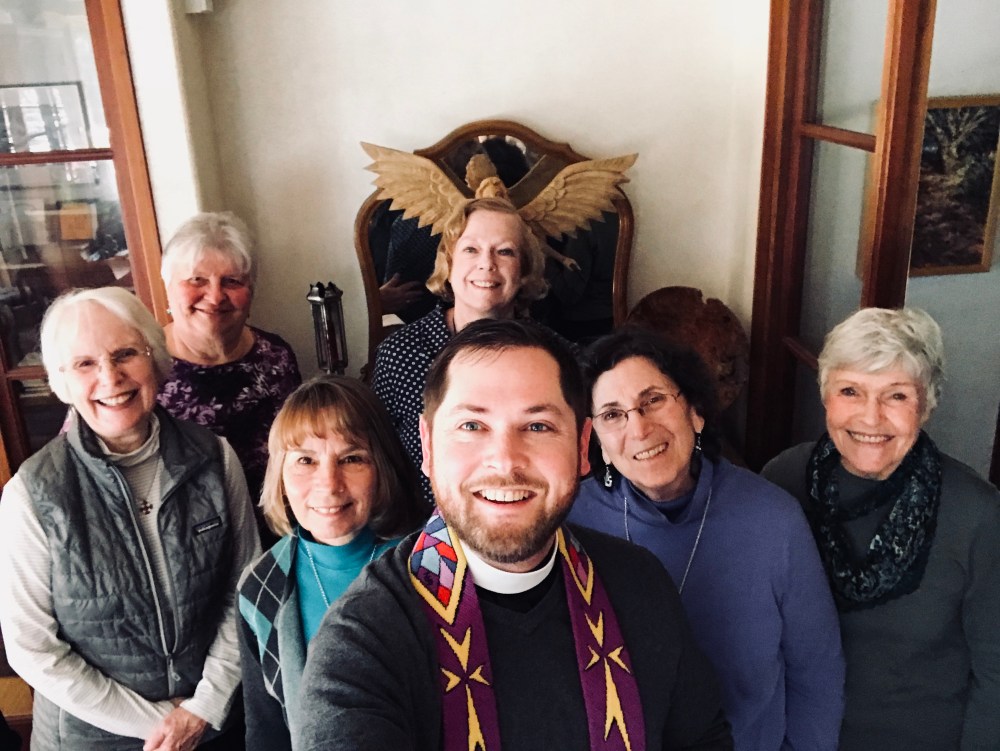
This reflection was shared at the monthly gathering in Eureka CA of Associates and Oblates of the Community of the Transfiguration on March 6, 2018.
Last night, I did some brief research on Dr. William J. Mayo and I came across a short film on the Mayo Clinic website called “In the Words of Dr. Will: The Primary Value of Mayo Clinic.” The film is an historical dramatization of Dr. Will on the way to delivering a commencement speech at Rush Medical College in Chicago and it imagines him having conversations with his father (William W. Mayo, whom we celebrate today) as well as with two nuns from the Sisters of St. Francis, who helped found St. Mary’s Hospital in Minnesota which later became the Mayo Clinic. According to this film, it was Will’s father and the young, idealistic Sister Claire who helped him articulate the primary value of the clinic, which is to provide holistic care for patients by having a team of experts working in cooperation, rather than competition. William W. Mayo told his son, “I learned more about being a good doctor from the Sisters [of St. Francis] than I did from any course of instruction I ever took.” And he advised his son, “No matter how big the practice grows, always keep the sisters close.” I especially appreciate these words from today’s saint as I gather with oblates and associates of the Community of the Transfiguration: “Always keep the sisters close.”
I also appreciate this focus on holistic care for patients. In the Gospel for today, Jesus heals two women in different ways. He heals one with his touch and the other one touches him and then he listens to her share her story. Jesus serves as both miracle doctor, therapist, hospital chaplain and much more. And I love the way that Luke weaves these two healing stories together so seamlessly.
The story reminds me of my own experiences with holistic care, working as a hospital interfaith chaplain at the San Francisco General Hospital, getting to know patients in psychiatric wards, visiting parishioners in the ER, and spending time with my father at Stanford Hospital, especially during his bone marrow transplant, when my mother and I read Psalm 91 together with the Buddhist hospital chaplain. The story makes me think of all our friends and sisters and brothers and fellow parishioners of Christ Church and fellow associates of the Community of Transfiguration who are in serious need of physical and spiritual healing, who all need to be touched by Jesus, who is the miracle doctor, the therapist and the chaplain all rolled into one. Let us hold them in our prayers today and remind ourselves how much our health and well-being depend on their health and well-being, how interdependent and intertwined we all are, especially when it comes to healing. Like the Gospel reading, our stories of healing are all woven together.
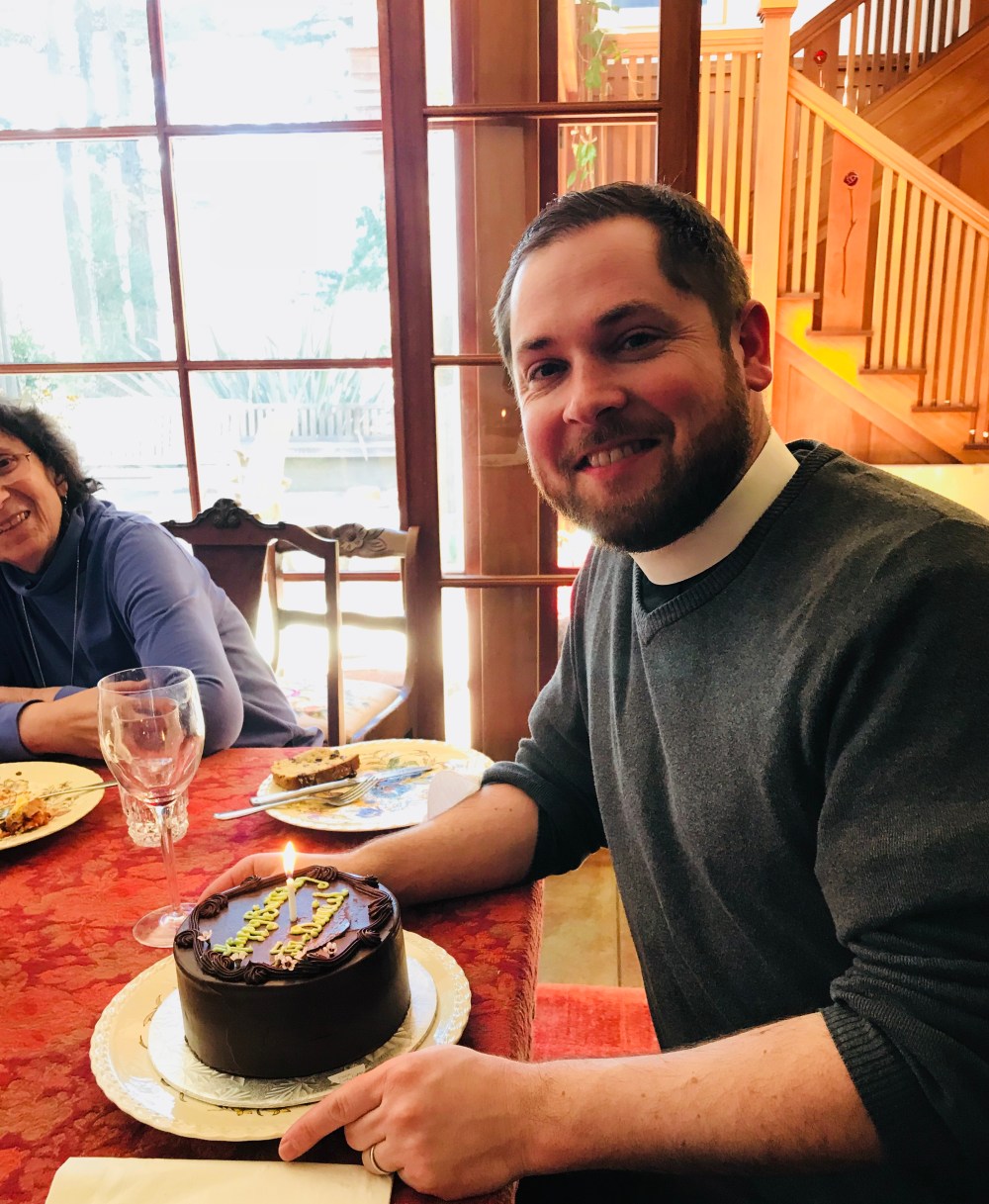
As I’ve been reflecting today on holistic care and the interwoven nature of our stories of healing, I started thinking about one of my favorite biblical commentators Robert Hamerton-Kelly, who wrote about the Gospels and the healing power of Christ. He was also a Girardian and actually very close friends with René Girard himself. Unfortunately, he died relatively young a few years ago, the day before I had a chance to meet him at a conference. I was disappointed that I didn’t meet him and I remember telling my mom about him and my disappointment. And then she said, “Robert Hamerton-Kelly? He visited me at Stanford Hospital right after I gave birth to you.” My birth, which took place exactly 35 years ago today, was apparently very traumatic. I was breech so they had to do a C-section and right before the surgery, the power went out because there was a huge lightning storm. Fortunately, everything worked out but my mom was obviously very wiped out and exhausted; and Robert Hamerton-Kelly happened to be the hospital chaplain at Stanford at that time and he provided my mom with the loving and holistic care that William Mayo espoused. He provided a listening ear and a healing touch and she remembers him saying something like, “That was very difficult, but now you have a new baby boy!” So our stories of healing are interwoven indeed.

 DANIEL DeFOREST LONDON